
Signs Your Chimney Brickwork Needs Repair
A brick chimney seems like a symbol of permanence, stoically standing against the elements year after year. However, masonry is surprisingly vulnerable, especially in the harsh climate of Chicagoland. While the bricks themselves may last a century, the mortar holding them together and the face of the bricks can degrade rapidly when exposed to constant moisture and freezing temperatures. Knowing the **signs your chimney brickwork needs repair** is vital for preventing a minor maintenance issue from becoming a catastrophic structural failure.
1. Crumbling or Missing Mortar
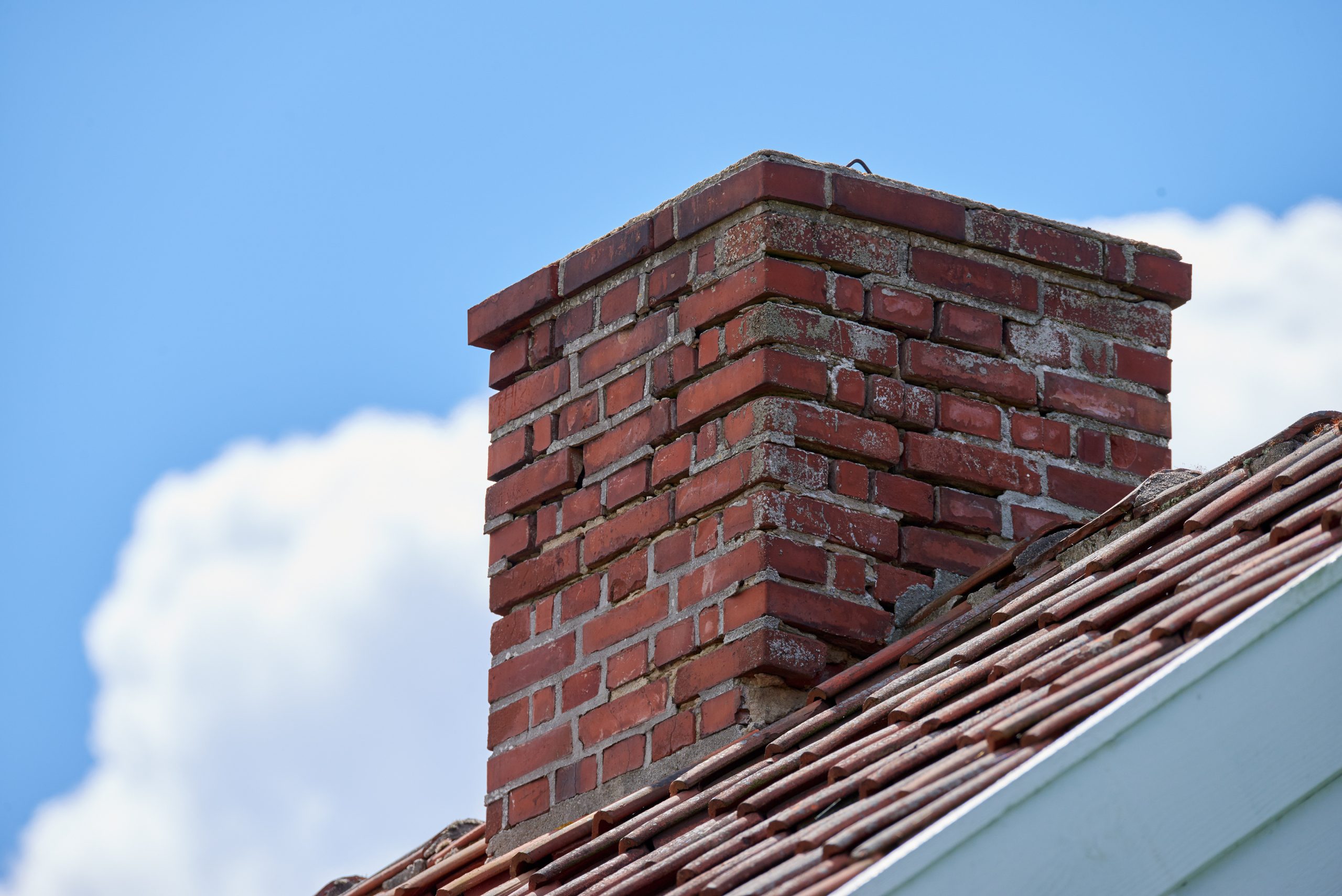
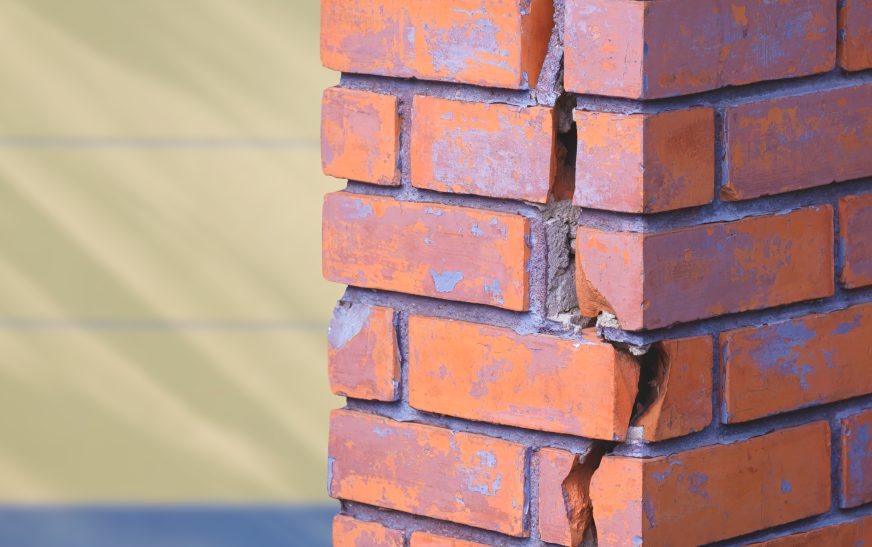
This is the most common early warning sign. Run a screwdriver or your finger along the mortar joints on the exterior of your chimney. If the mortar feels soft, powdery, like sand, or if large chunks are missing entirely, you are in need of tuckpointing. When the mortar fails, the structural integrity of the chimney is compromised, and water is given a free pass into the interior of the wall system.
2. Spalling Bricks
‘Spalling’ is a term used to describe bricks that are peeling, flaking, or popping off on the face. You might notice little chips of red brick lying on your roof or the ground around your chimney. This occurs when water penetrates a porous brick and freezes, expanding and forcing the face of the brick to break off. A spalling brick cannot be ‘patched’; it has lost its structural strength and must be cut out and replaced by a professional mason.
3. White Staining (Efflorescence)
If you see a powdery white substance coating the exterior of your chimney, you are looking at efflorescence. This happens when water seeps into the masonry, dissolves the natural salts inside the bricks and mortar, and carries those salts to the surface as it evaporates. While the white powder itself isn’t structurally dangerous, it is a glaring red flag that significant water intrusion is occurring. Where there is efflorescence, freeze-thaw damage is usually soon to follow.
4. A Leaning or Tilting Chimney
Step back into your yard and look at your chimney from multiple angles. Does it look like the Leaning Tower of Pisa? If your chimney is noticeably leaning or pulling away from the siding of your house, this is a severe emergency. It indicates that the mortar joints have completely failed on one side, or that the foundation of the chimney has compromised. A leaning chimney is at high risk of collapse and requires immediate professional intervention.
5. Rust Stains on the Masonry
If you see rust streaks running down the brickwork (often originating from the top cap or flashing), it means the metal components protecting your chimney are failing. The rust acts as a conduit for water to enter the masonry. More importantly, if your chase cover or cap is rusting, it is no longer keeping water out of the flue.
Conclusion: Don’t Ignore the Bricks
The masonry of your chimney speaks to you, but you have to know how to listen. By keeping an eye out for these five signs of brickwork decay, Chicagoland homeowners can act proactively. Minor tuckpointing is an affordable maintenance task; rebuilding a collapsed chimney is not. If your bricks are showing any of these warning signs, contact Chicagoland Chimney Cleaners to schedule an expert masonry assessment today.
Frequently Asked Questions
- Can I just caulk over the missing mortar? No! Caulk is non-permeable and traps water inside the brick, causing massive spalling during the next freeze. Only structural mortar should be used.
- Why do the bricks on my chimney look worse than the bricks on my house? The chimney is exposed to the elements on four sides and from the top down, whereas the house bricks are protected by the roof’s overhang.
- Can spalling bricks be painted over? Never paint spalling bricks. The paint will peel off immediately, and sealing a wet brick causes it to decay even faster from the inside.
- How much mortar missing is ‘too much’? If you can slide a dime more than a quarter-inch into a mortar joint, the joint has failed and needs tuckpointing.
- Is efflorescence mold? No, it is salt. However, the moisture that causes efflorescence can also lead to mold growth on the interior drywall behind the chimney.