
Prevent Animal Entry with Chimney Caps
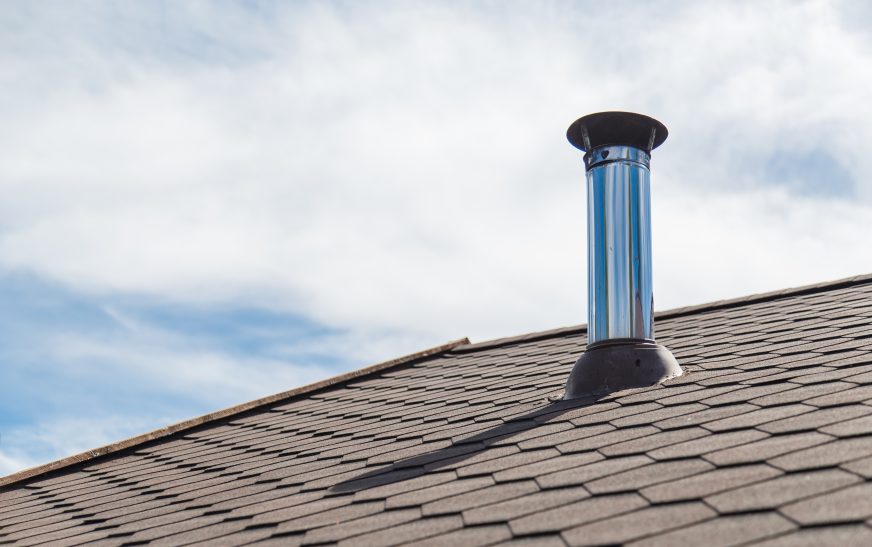
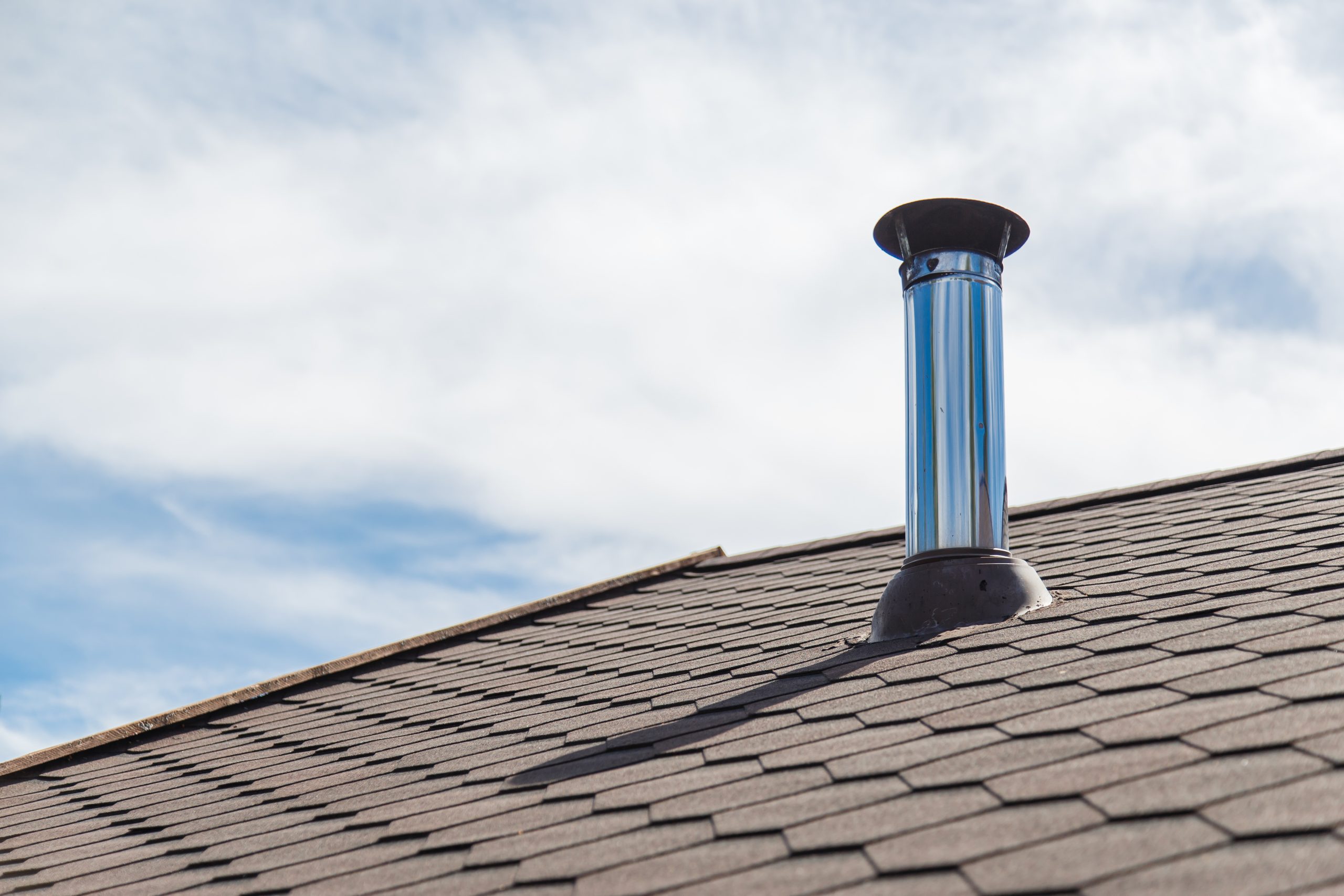
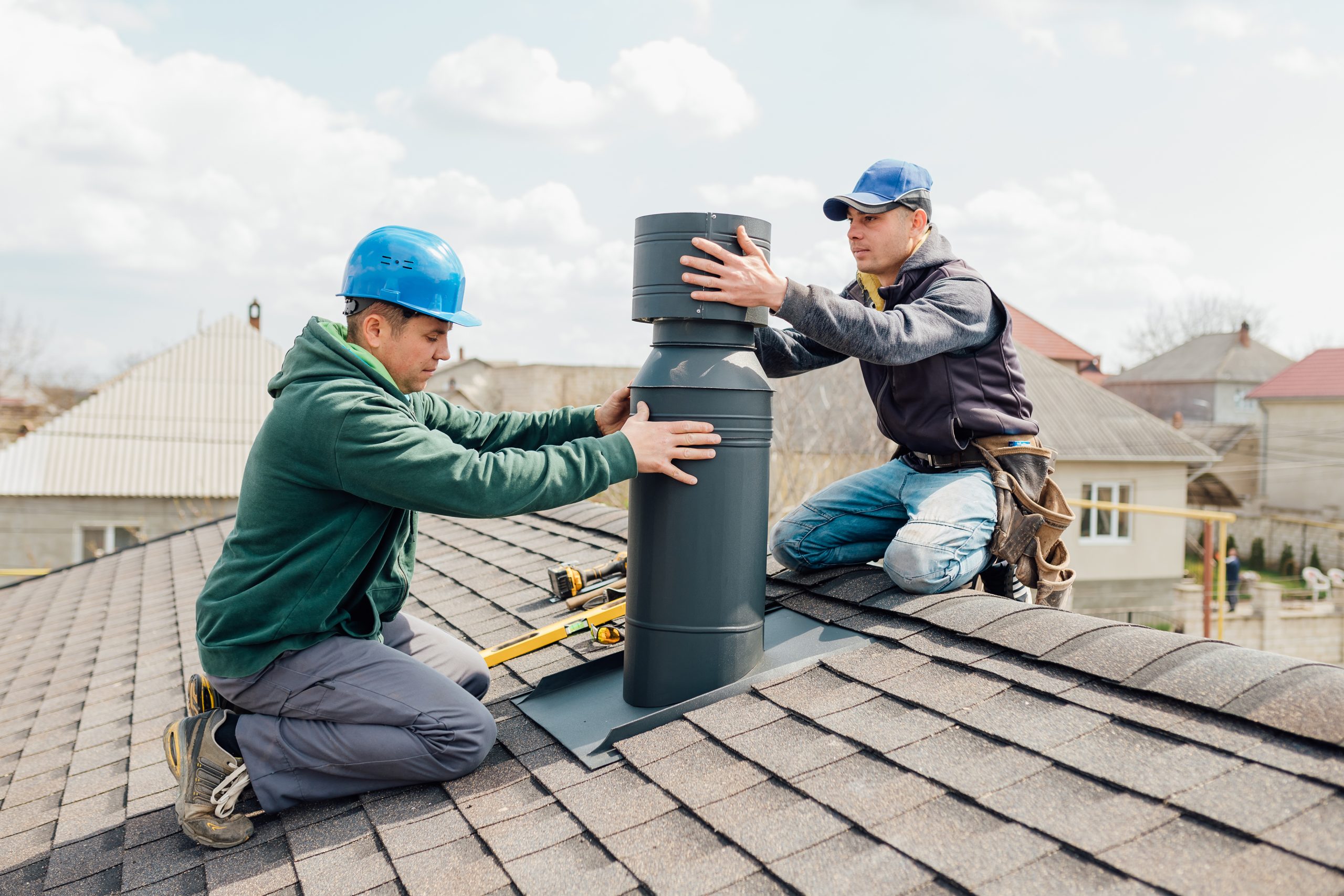
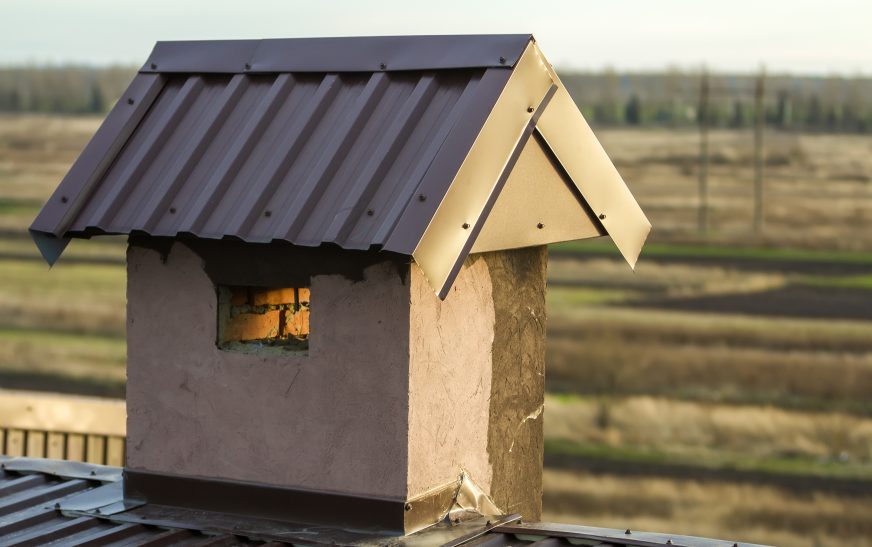
While the Chicago metropolitan area is highly urbanized, it sustains a massive population of wildlife. To our local raccoons, squirrels, and birds (specifically the protected Chimney Swift), your chimney is not part of a heating system—it is a pre-built, hollow tree perfectly suited for raising a family. When wildlife moves in, the results are terrible smells, parasite infestations (like bird mites), and massive fire hazards. The most effective way to **prevent animal entry is with chimney caps** designed specifically for wildlife exclusion.
The Danger of the ‘Naked’ Flue
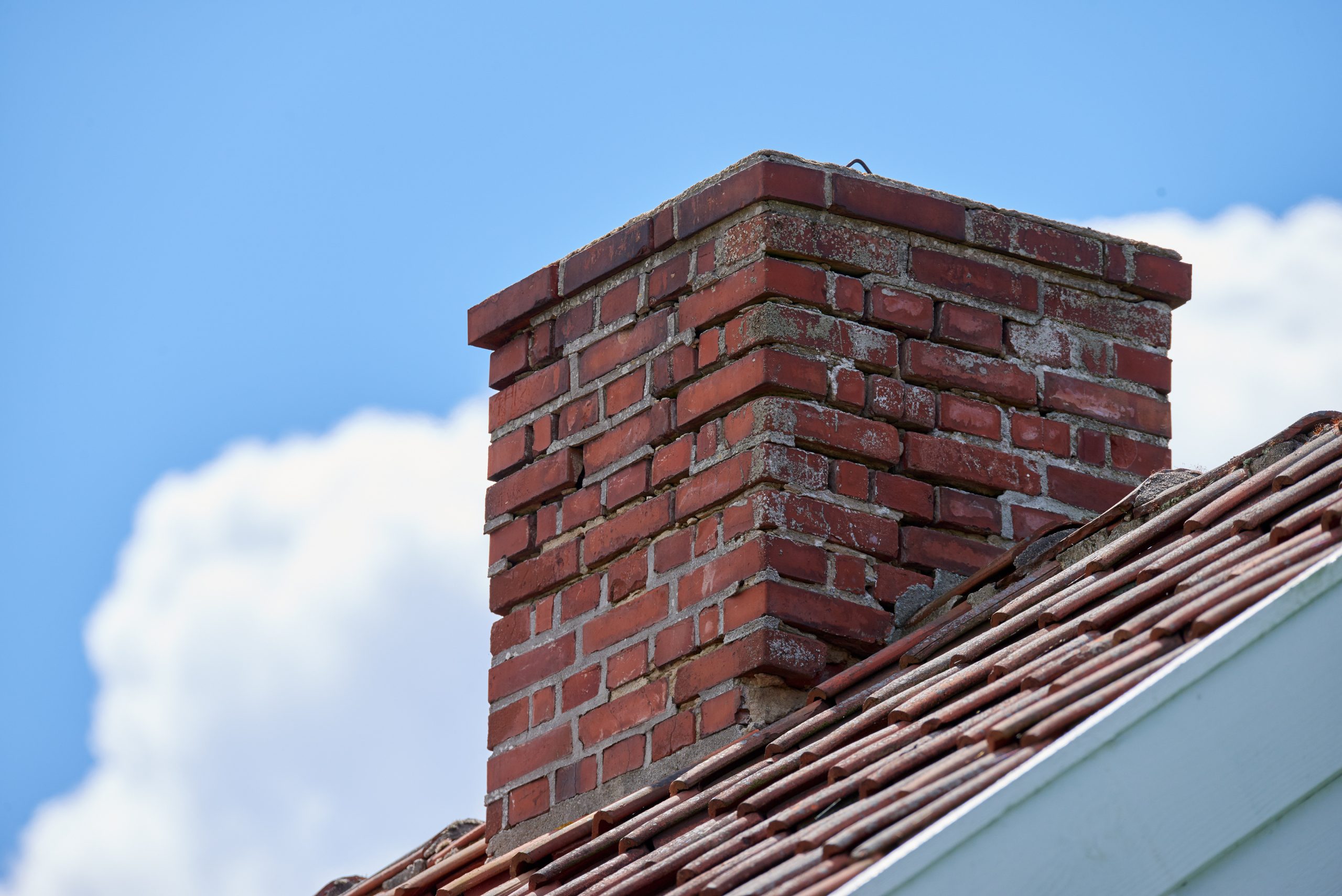
An uncapped chimney is an open invitation. Birds will drop twigs and leaves straight down the flue to build a nest at the damper level. Raccoons, known for their climbing agility, can easily scale a brick chimney and descend into the flue to create a den. These nests completely block the exhaust flow. If you unknowingly light a fire under an active nest, the dry nesting material will ignite immediately, causing a catastrophic chimney fire. Even if a fire doesn’t start, the blocked flue will force lethal carbon monoxide back into your living room.
The Solution: The Animal-Exclusion Cap
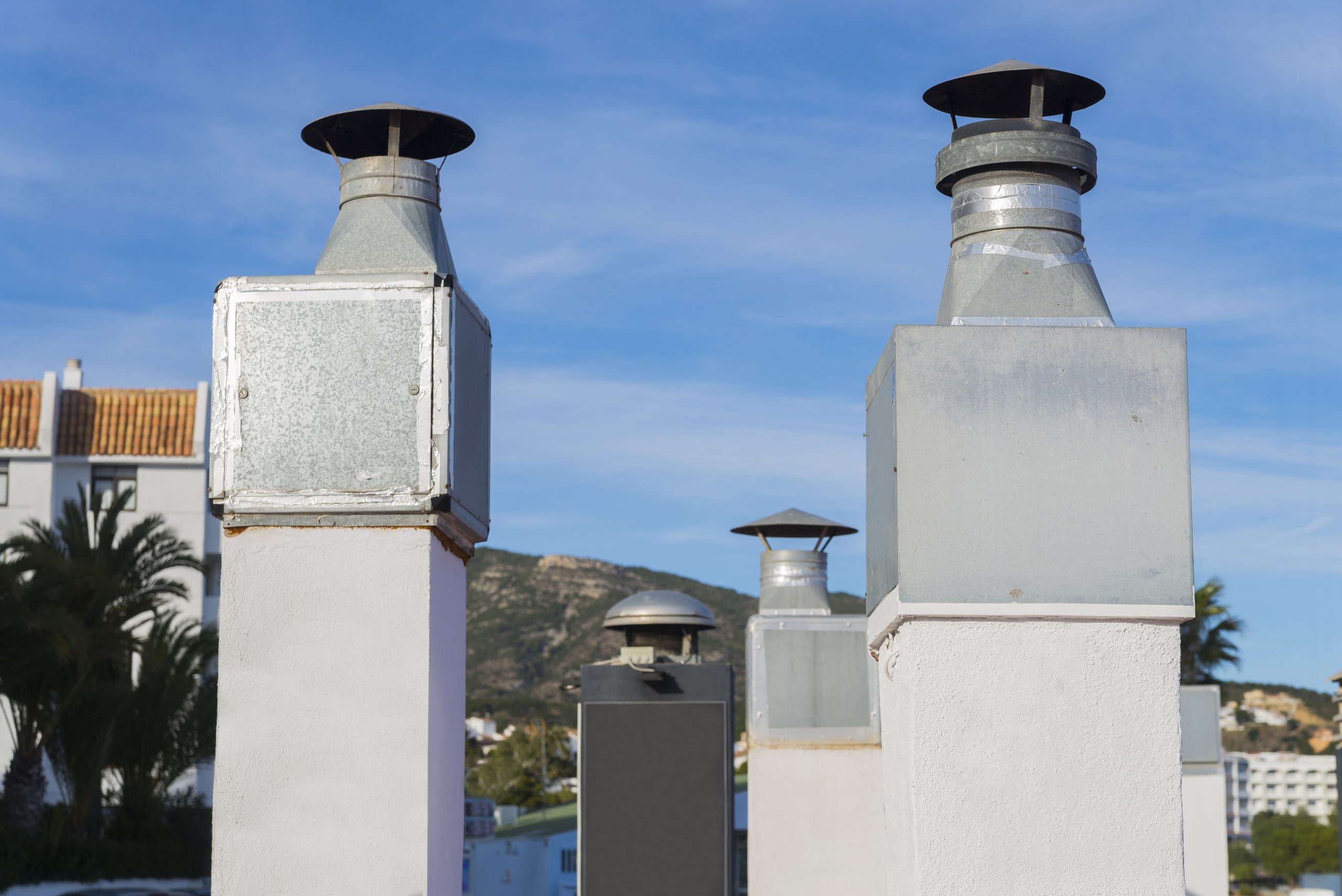
Not just any cap will keep determined wildlife out. Here is what professional animal-exclusion caps feature:
- **Heavy-Duty Mesh:** Flimsy aluminum mesh (often found on cheap hardware store caps) is no match for a determined raccoon, who can literally tear it apart with its claws. Professional caps use heavy-gauge stainless steel mesh that is impervious to claws and teeth.
- **Secure Mounting:** A cap that is simply ‘friction fit’ into the flue can be pushed off by a large animal working from the inside or the outside. We use robust mounting systems, either bolted securely to the flue tile or bolted deep into the masonry crown.
- **Proper Sizing:** The mesh openings must be perfectly sized—small enough to keep out mice and small birds, but large enough (typically 3/4 inch to 5/8 inch) so that soot and creosote don’t immediately clog the exhaust flow.
What if Animals are Already Inside?
If you hear scratching, chattering, or flapping wings behind your fireplace damper, **do not light a fire to ‘smoke them out.’** This is cruel, highly illegal if dealing with protected species, and usually results in the animal dying right above your damper, creating a horrific odor. You must call a professional. At Chicagoland Chimney Cleaners, we can humanely remove the animals and the nesting material, sanitize the flue, and immediately install a secure cap to ensure they can never return.
Conclusion: Proactive Prevention
Dealing with wildlife in your chimney is stressful and expensive. A heavy-duty chimney cap is a one-time investment that guarantees you will never have to deal with a raccoon eviction. Protect your family from the hazards of wildlife intrusion by contacting us today to secure your flue.
Frequently Asked Questions
- Can I put chicken wire over my chimney? No! Chicken wire is too thin, rusts quickly, and the holes are easily distorted by animals. It also does not protect against rain, which destroys the chimney.
- What are those loud birds in my chimney during the summer? Those are almost certainly Chimney Swifts. They are protected by the Federal Migratory Bird Treaty Act, meaning you cannot legally remove their nests until they migrate in the fall. You MUST cap the chimney *before* they return next spring.
- Can animals get past the damper into my house? Yes. If the damper is open or broken, squirrels and raccoons can easily fall or climb down into your living room.
- Do you offer animal removal services? We coordinate with licensed wildlife experts for humane removal, and then we handle the structural cleaning and capping.
- Will fixing the cap stop the bad smell? Capping prevents new animals, but the flue must be mechanically swept and sanitized to remove the feces and nesting material causing the odor.