
Complete Guide to Residential Chimney Cleaning in Chicagoland
For the residents of Chicagoland, a fireplace is more than just a home feature; it is a necessity for enduring the long Midwestern winters. However, the warmth of a fire comes with a responsibility to maintain the complex venting system that keeps your home safe. This **complete guide to residential chimney cleaning** is designed to provide homeowners across Chicago and its suburbs with everything they need to know—from the science of creosote to the specifics of hiring a local expert.
Understanding the Anatomy of Your Chimney
Before diving into the cleaning process, it’s helpful to understand what you’re maintaining. Your chimney isn’t just a brick hollow; it’s a sophisticated engineering system. Key components include:
- **The Firebox:** Where the fire actually burns. It must be made of fire-resistant bricks and mortar.
- **The Damper:** A movable valve that controls airflow. It should be closed when the fireplace is not in use to prevent heat loss.
- **The Smoke Chamber:** The area above the firebox that funnels smoke into the flue.
- **The Flue:** The vertical passage that carries smoke and gases out of the house.
- **The Liner:** A protective layer (often clay, metal, or cast-in-place) that keeps heat and gases away from the home’s combustible framing.
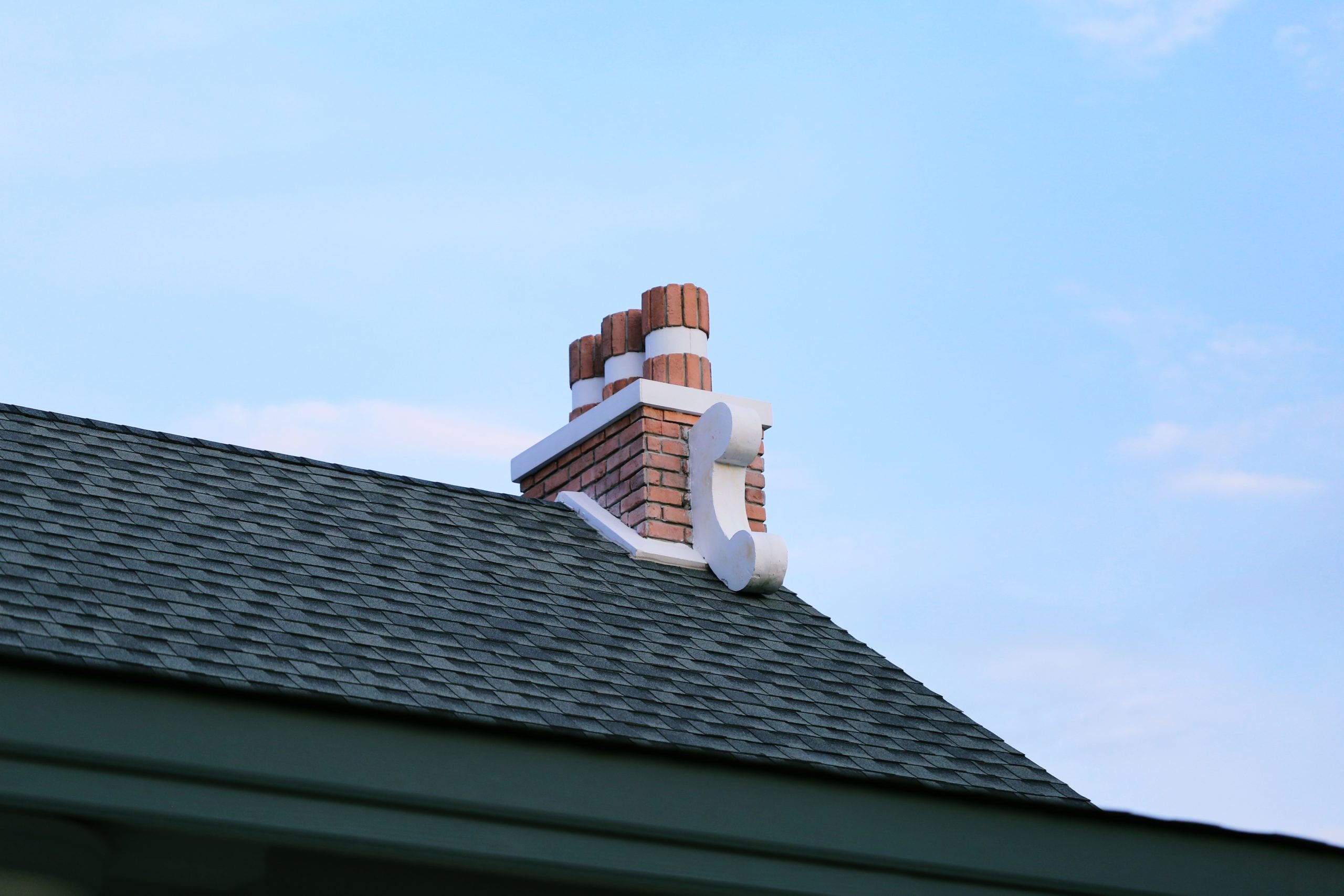
- **The Chimney Cap:** The ‘hat’ on top of your chimney that keeps out rain, debris, and animals.
The Science of Why We Clean: Creosote and Soot
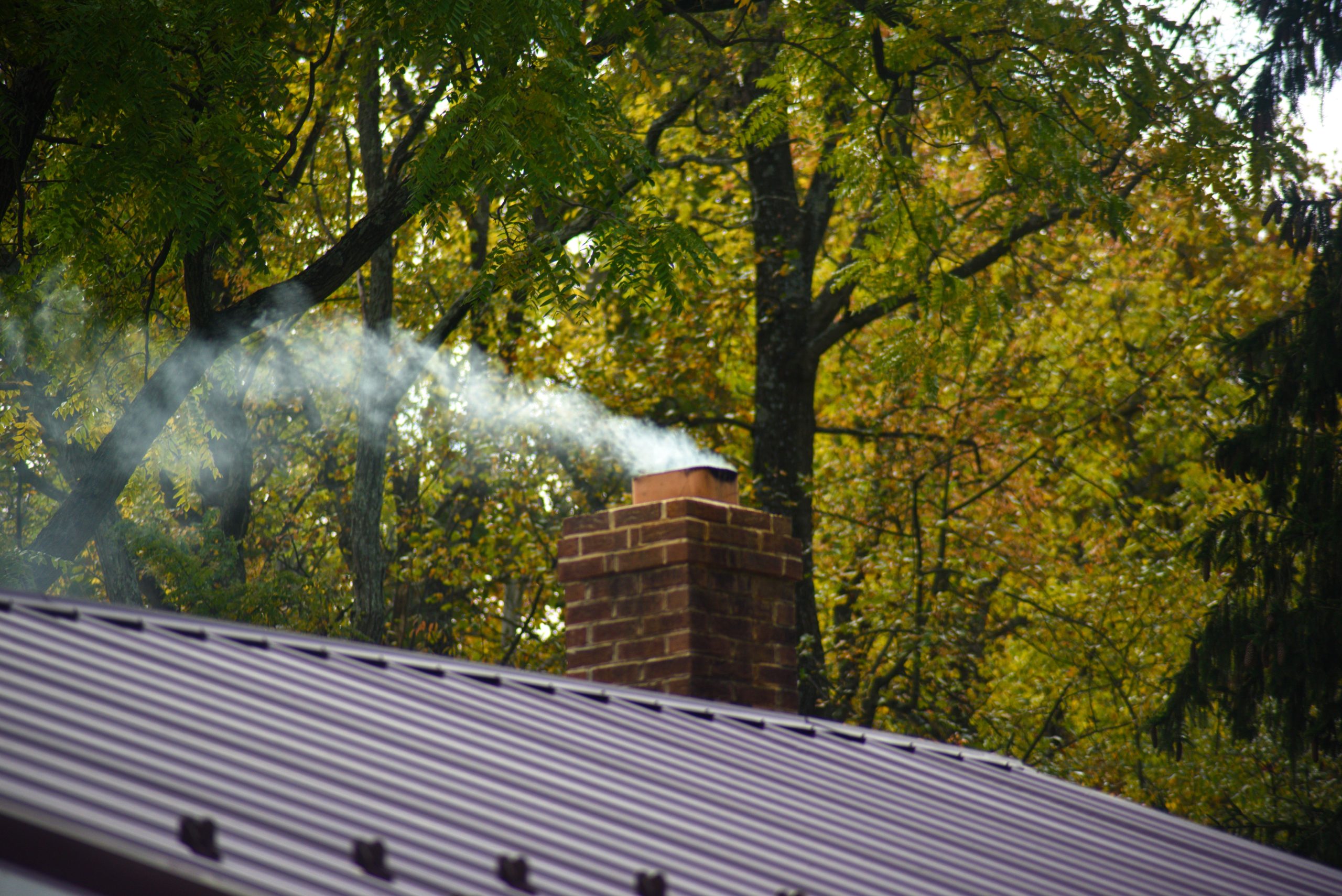
When wood burns, it releases a variety of chemicals. As these gases cool as they rise up the chimney, they condense on the walls of the flue, creating **creosote**. This substance is incredibly dangerous because it is essentially solidified fuel. If the internal temperature of your chimney reaches a certain point, this creosote can ignite, leading to a chimney fire. Professional cleaning is the only way to effectively remove these layers and reset the safety of your system.
The Professional Cleaning Process: What to Expect
When you hire a top-tier service like Chicagoland Chimney Cleaners, the process is thorough and mess-free. Here are the typical steps:
1. Preparation and Protection
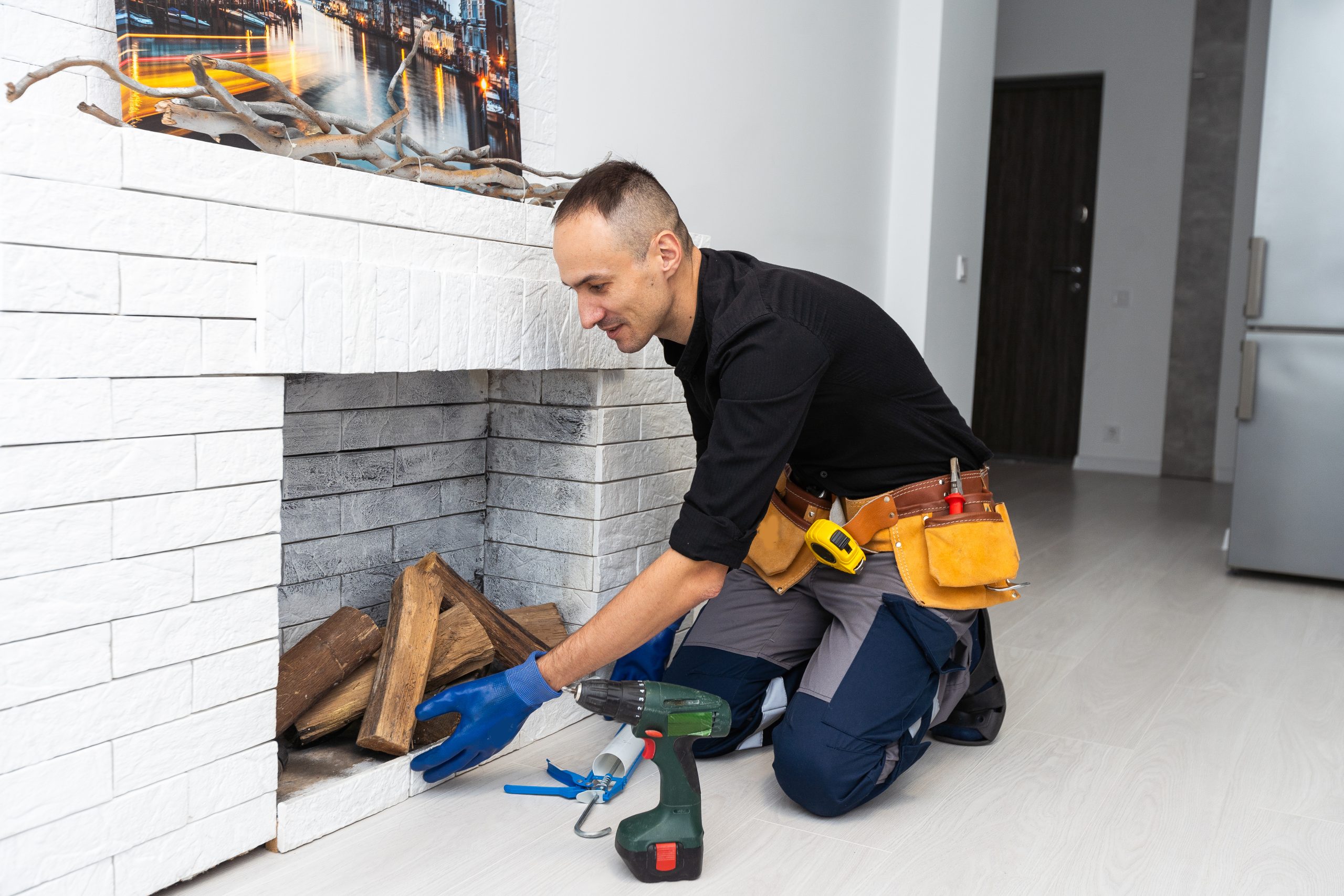
We start by creating a ‘clean zone’ around your fireplace. This includes laying down heavy-duty drop cloths and setting up specialized HEPA-filtered vacuum systems. Our goal is to ensure that not a single speck of soot enters your living space.
2. Initial Level 1 Inspection
Before cleaning, we perform a visual inspection of the readily accessible parts of the chimney and fireplace. We look for signs of structural damage, water intrusion, or hazardous buildup.
3. The Sweep
Using a combination of mechanical brushes and high-powered extension rods, we scrub the flue from top to bottom. This process removes soot, flaky creosote, and any blockages like bird nests or debris.
4. Smoke Chamber and Firebox Cleaning
We pay special attention to the smoke chamber, which is a common area for heavy buildup. The firebox is then thoroughly vacuumed and scrubbed to ensure a clean start for your next fire.
5. Final Assessment and Report
Once the cleaning is complete, we perform a final check of the damper and other components. You receive a detailed report that documents the state of your chimney and any recommendations for future maintenance or repairs.
Local Considerations for Chicagoland Homeowners
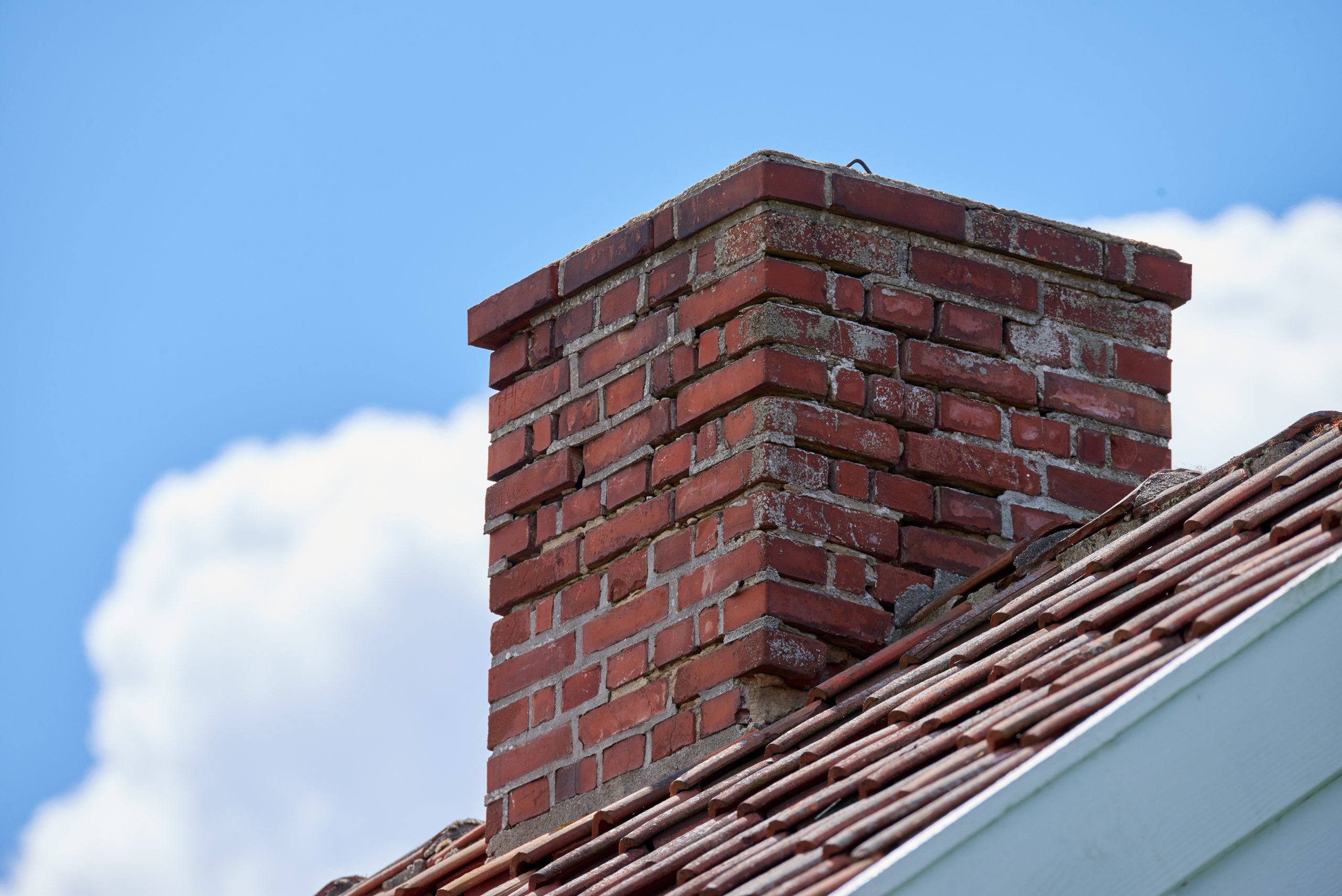
Chicago’s unique climate and architectural history add extra layers to chimney maintenance. For instance, the ‘Chicago Common Brick’ used in many older homes is notoriously porous and prone to water damage. The extreme humidity of our summers can react with soot to create an acidic slurry that damages liners faster than in drier climates. Furthermore, our urban environment means that chimneys often face ‘shared’ issues in townhome or condo settings—if you live in a building with multiple flues, individual maintenance is even more critical.
How to Choose the Right Professional
In a large market like Chicagoland, it’s easy to get overwhelmed by options. Here are three non-negotiable checks:
- **Certification:** Ensure the technicians are CSIA-certified.
- **Insurance:** Ask for proof of general liability and workers’ compensation.
- **Experience with Local Architecture:** A company that understands the differences between a 1920s bungalow and a 2010s suburban build will provide better service.
Conclusion: Your Path to a Safer Home
Residential chimney cleaning is an essential part of responsible home ownership in Chicagoland. By following the tips in this guide and scheduling regular professional maintenance, you can enjoy the many benefits of a fireplace without the worry. Don’t wait for a problem to arise—be proactive and keep your hearth healthy all year long.
Frequently Asked Questions
- How long does a cleaning take? A standard residential cleaning usually takes between 60 to 90 minutes.
- Can I use my fireplace right after a cleaning? Yes, once the technician has given the ‘all clear,’ your fireplace is ready for use.
- Will cleaning fix a smoky fireplace? It often does, as it removes obstructions and restores proper airflow.
- Do I need to be home for the cleaning? Yes, someone should be there to provide access to the interior fireplace and to review the technician’s findings.
- Are chimney cleaning logs effective? They can help, but they are not a substitute for a manual scrub by a professional.