
Common Fireplace Hazards in Chicagoland Homes
Every year, hundreds of residential fires in the Chicagoland area are attributed to fireplace and chimney failures. While the hearth is a source of great comfort, it is also home to a variety of potential dangers. Many of these **fireplace hazards** are invisible to the untrained eye, making awareness and professional inspections critical. Whether you’ve lived in your Chicago home for decades or have just moved into a new property in the suburbs, knowing these risks can save your life.
1. Creosote Accumulation
As discussed throughout our guides, creosote is the #1 hazard in any wood-burning fireplace. In Chicagoland, heavy usage during the long winter months leads to rapid buildup. Once creosote reaches ‘stage three’ (a hard, glossy glaze), it is incredibly difficult to remove and highly flammable. A chimney fire fueled by stage-three creosote can reach temperatures hot enough to melt a metal liner and ignite the wooden framing of your home in seconds.
2. Cracked or Deteriorating Liners
The chimney liner’s job is to contain the high heat and toxic gases of a fire and protect the home’s combustible structure. Over time, clay tile liners can crack and metal liners can corrode. In older Chicago homes, especially those built before 1940, chimneys may have no liner at all. A cracked or missing liner is a massive fire hazard, as it allows heat to transfer directly to the wood beams surrounding the chimney.
3. Blocked Flues: The Animal Factor
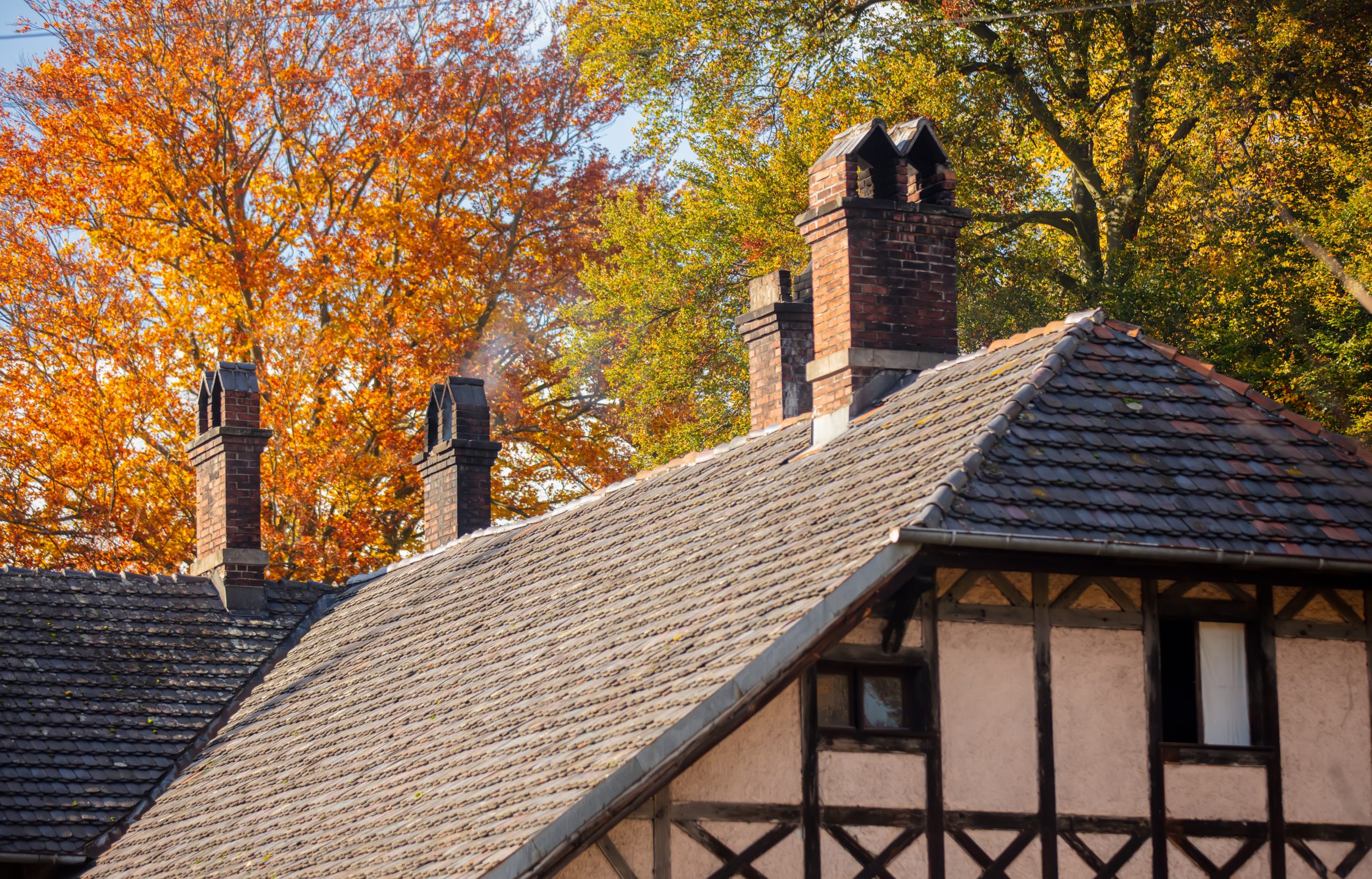
Chicagoland’s urban and suburban environments are home to plenty of wildlife. Birds (especially chimney swifts), squirrels, and raccoons often view a chimney as a safe place to nest. These nests can completely block the flue, forcing carbon monoxide and smoke back into your home. This is particularly dangerous during the first fire of the season if you haven’t had a professional inspection to clear the passage.
4. Water Damage: The Hidden Hazard
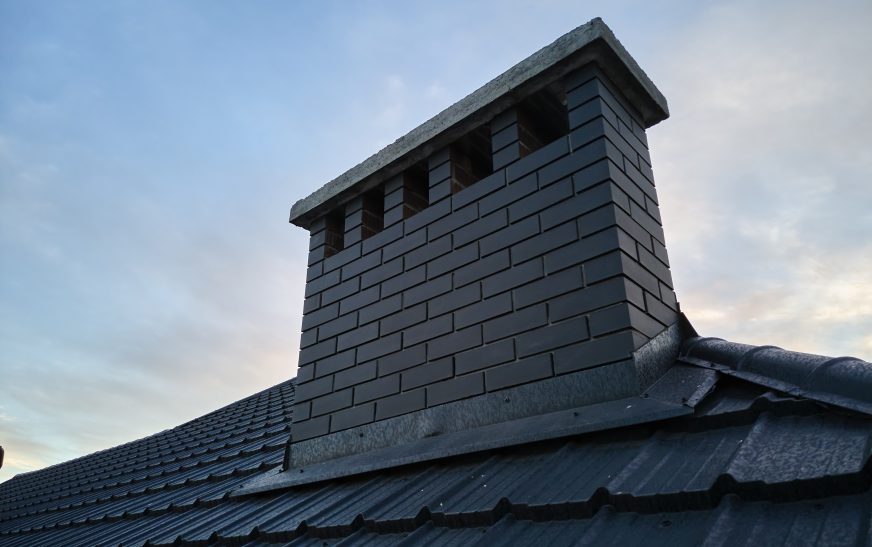
While water doesn’t cause a fire, it is the root cause of most chimney hazards. In the Chicagoland climate, water penetrates cracks in the chimney crown or bricks, freezes, and expands. This ‘freeze-thaw’ cycle destroys the structural integrity of the chimney. Moist soot inside a chimney also creates an acidic paste that eats away at the liner, leading to the cracking and corrosion discussed above.
5. Improper clearances and Combustible Mantels
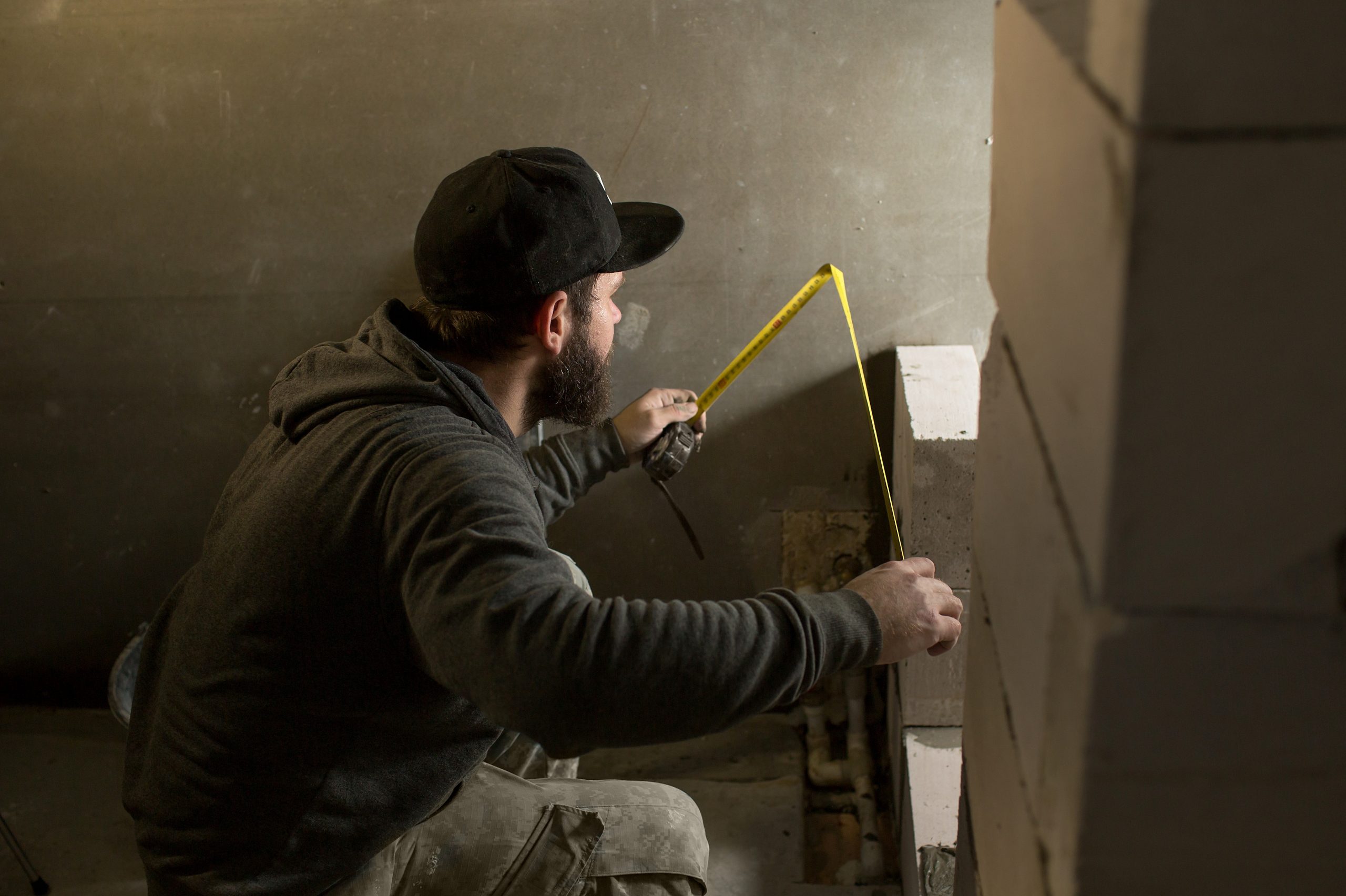
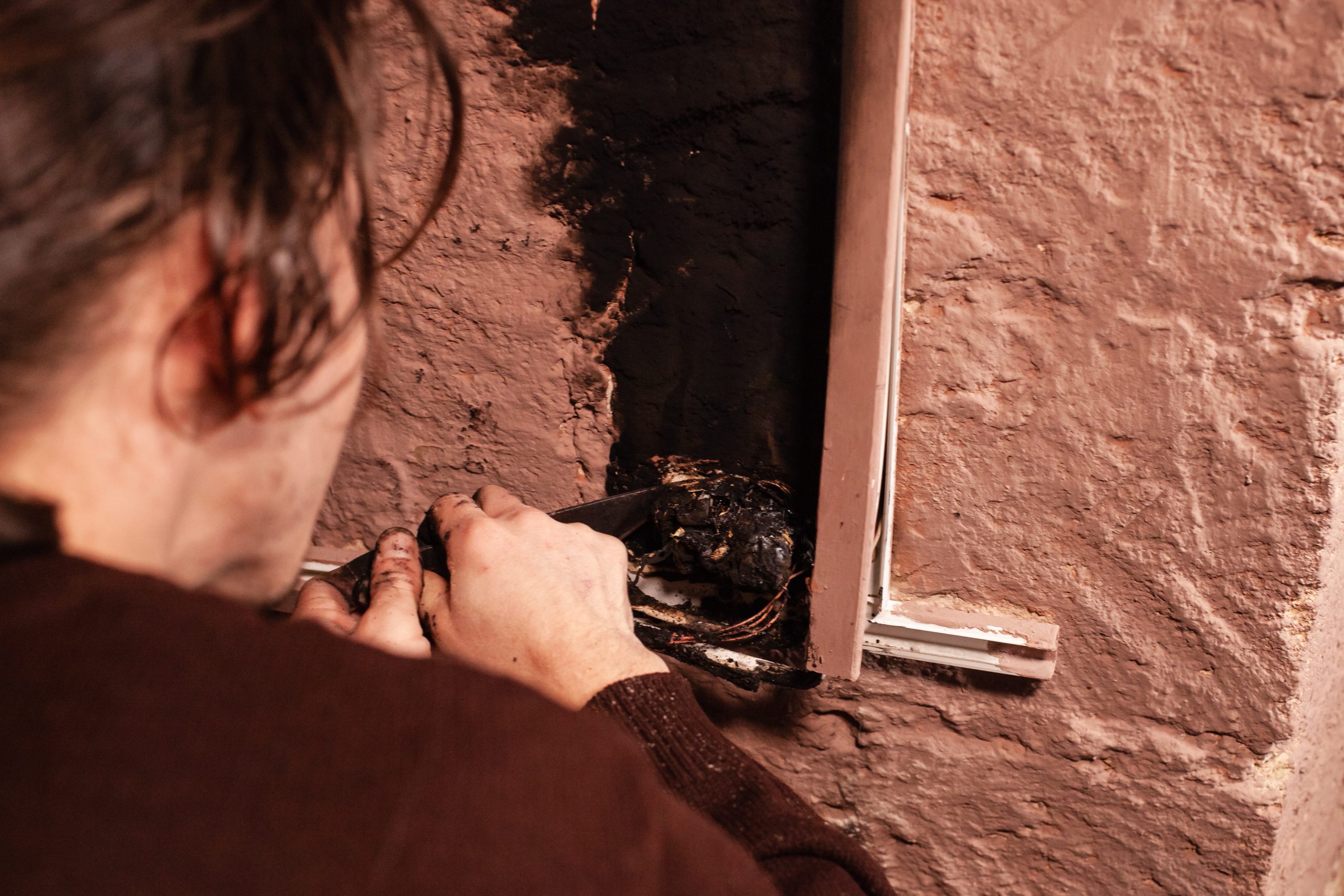
In many older or poorly renovated homes,wood mantels, cabinets, or even drywall are installed too close to the fireplace opening. ‘Clearance to combustibles’ is a critical safety code. If these items are too close, they can eventually reach their ‘auto-ignition’ temperature through years of exposure to radiant heat, leading to a fire behind the walls where you can’t see it.
Conclusion: Awareness is the First Line of Defense
Most of these hazards are preventable through regular professional maintenance and awareness. At Chicagoland Chimney Cleaners, our mission is to identify these risks before they become catastrophes. If you haven’t had a professional safety check this year, or if you notice any of the signs discussed in our guides, don’t wait. Protect your Chicagoland home from these common hazards today.
Frequently Asked Questions
- Can I use my fireplace if I suspect a small crack in the liner? No. Any breach in the chimney liner is a serious safety concern and should be professionally evaluated before the next fire.
- What are the signs of a chimney fire? Look for intense popping or crackling sounds, a loud ‘rushing’ sound like a jet engine, and thick, dark smoke coming from the top of the chimney.
- How do I prevent animals from nesting in my chimney? The best solution is a high-quality stainless steel chimney cap with a wire mesh screen.
- Why do older Chicago homes lack liners? Building codes did not always require liners. However, modern safety standards dictate that any fireplace in use must be properly lined.
- Is ‘white powder’ on my bricks a hazard? Yes. This is efflorescence, a sign of salt and water migration through the bricks, which eventually leads to structural failure.