
How Camera Inspections Detect Chimney Damage
The interior of a chimney is one of the most hostile environments in a home. Between the intense heat of fires and the corrosive acidity of soot and moisture, damage is almost inevitable over time. However, because this damage is hidden deep within the flue, it often goes undetected until it’s too late. **Camera chimney inspection** is the most powerful tool we have for identifying these hidden threats. For Chicagoland homeowners, understanding how these digital ‘eyes’ detect damage is key to appreciating the value of professional diagnostics.
1. Identifying ‘Hairline’ Fractures in Flue Tiles
Most traditional chimneys in Chicago are lined with clay flue tiles. Over decades of ‘freeze-thaw’ cycles, these tiles can develop thin cracks. To a human looking up with a flashlight, these cracks are often invisible. But a high-definition camera can zoom in on the surfaces, revealing tiny fractures that could allow heat or toxic gases to escape from the flue and ignite the home’s wooden framing. Finding these early is the key to preventing house fires.
2. Detecting Missing Mortar Joints
The tiles in a chimney liner are held together with high-temperature mortar. Over time, this mortar can erode or ‘wash out,’ leaving gaps between the tiles. A camera inspection can see these gaps clear as day. If left unaddressed, these openings act like tiny windows that allow sparks and carbon monoxide to seep into the home’s structure. By identifying which specific joints have failed, we can recommend targeted repairs rather than a total flue relining.
3. Spotting Water Intrusion and Corrosion
Our Chicagoland humidity and rain are tough on masonry. A camera can identify ‘spalling’—where the surface of a brick or tile starts to peel or flake off due to water damage. In metal liners, a camera can detect the very first signs of pitting or rust. Detecting this ‘pioneer’ damage allows for waterproofing treatments or minor repairs before the entire system is Compromised.
4. Revealing Hidden Obstructions
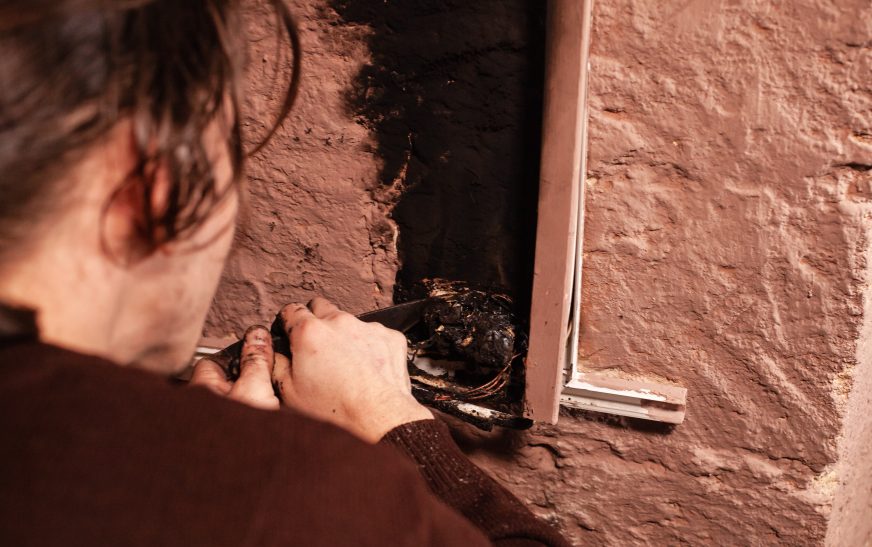
Whether it’s a bird’s nest that has been built deep in a bend of the flue or a brick that has fallen from higher up and become wedged, a camera provides a literal ‘birds-eye view’ of the blockage. This allows for more precise and safer removal than simply ‘poking’ at the obstruction with a rod.
Conclusion: The Insight You Need for Safety
Camera inspections are about more than just finding problems; they’re about providing a clear path to solutions. By identifying exactly where and how your chimney is damaged, we can provide you with the most efficient and cost-effective repair options. At Chicagoland Chimney Cleaners, we use the best technology in the business to keep our community safe. Don’t let hidden damage threaten your home—schedule a camera scan today.
Frequently Asked Questions
- Can you see damage in a metal liner with a camera? Yes. A camera is excellent for identifying corrosion, disconnected joints, or ‘collapsed’ sections in stainless steel or aluminum liners.
- What does a ‘Level 2’ inspection mean? Level 2 is the NFPA term for an inspection that includes a video scan of the interior flue.
- Will a camera inspection find leaks? It will find the *pathway* for leaks (like cracks or missing mortar), but for a physical water test, additional diagnostics may be needed.
- How do I prepare my fireplace for a camera scan? Just clear the hearth and don’t have a fire for 24 hours prior to the appointment.
- Does every inspection need a camera? While a Level 1 doesn’t require it, we strongly recommend a camera scan at least every 2-3 years for complete peace of mind.