
How to Keep Your Fireplace Safe During Chicagoland Winters
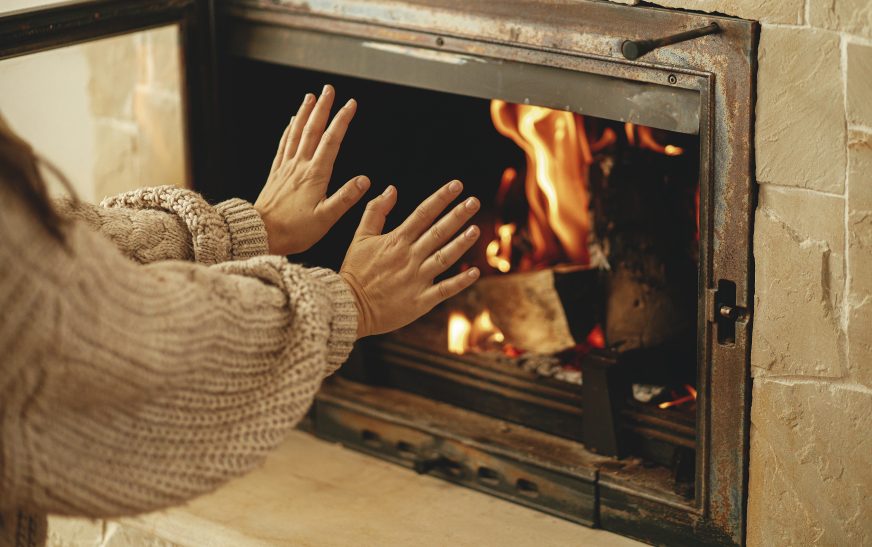
When the ‘Polar Vortex’ hits and the Chicago temperatures drop into the negatives, the fireplace becomes more than just an aesthetic feature—it’s a critical warmth provider. However, the heavy usage common during an Illinois winter puts immense strain on your chimney and venting system. Keeping your **fireplace safe during Chicagoland winters** requires a combination of proactive maintenance, smart burning habits, and awareness of the unique challenges posed by our climate.
1. The Pre-Season Deep Clean
Safe winter burning starts in the fall. You should never start your heavy-use season without a professional inspection and cleaning. Removing the year’s worth of accumulated soot and checking for moisture damage from the humid summer ensures that your system is ready for the intense heat of daily winter fires. If your chimney has been dormant all summer, it’s also common for birds or squirrels to have moved in—a professional check will clear these hazardous blockages.
2. Managing the ‘Cold Hearth’ Effect
In the depths of a Chicago winter, the air inside your chimney can become extremely cold. Cold air is heavy and ‘sinks,’ which can prevent your fireplace from drawing properly when you first light it. To avoid filling your living room with smoke, you need to ‘prime’ the flue. This involves holding a lit piece of newspaper or a ‘fatwood’ stick near the open damper for a minute or two to warm the column of air before starting your main fire.
3. Smart Usage for Multi-Day Cold Snaps
During extended periods of extreme cold, you might be tempted to keep a fire burning 24/7. However, this leads to rapid creosote accumulation. If you are using your fireplace constantly, you must be even more diligent about cleaning out cooled ashes (using a metal container, as discussed in our safety tips) to keep the air intake clear. Also, never ‘overload’ the firebox with too much wood, as this can create excessive heat that damages the chimney liner.
4. Monitoring the Exterior Masonry
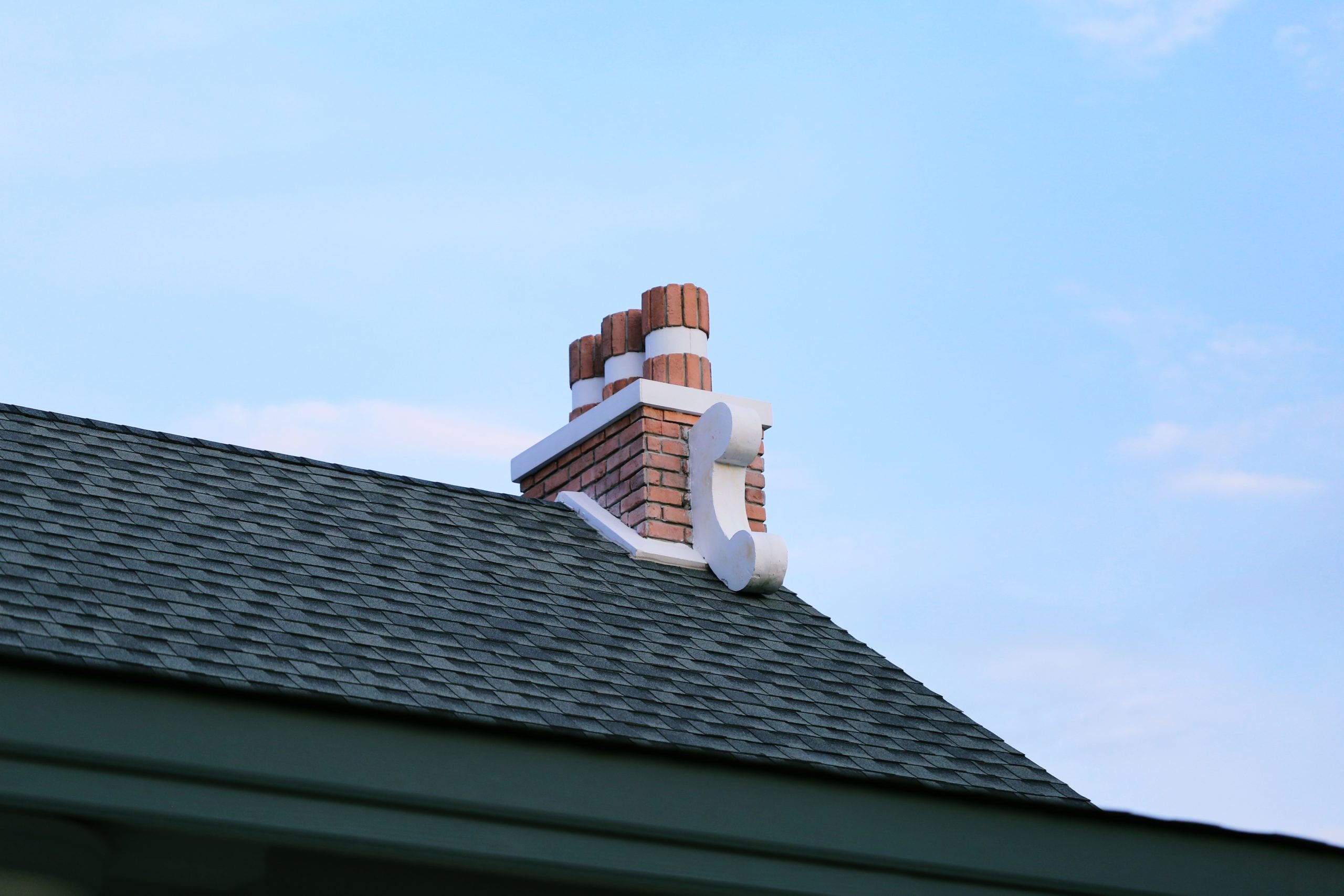
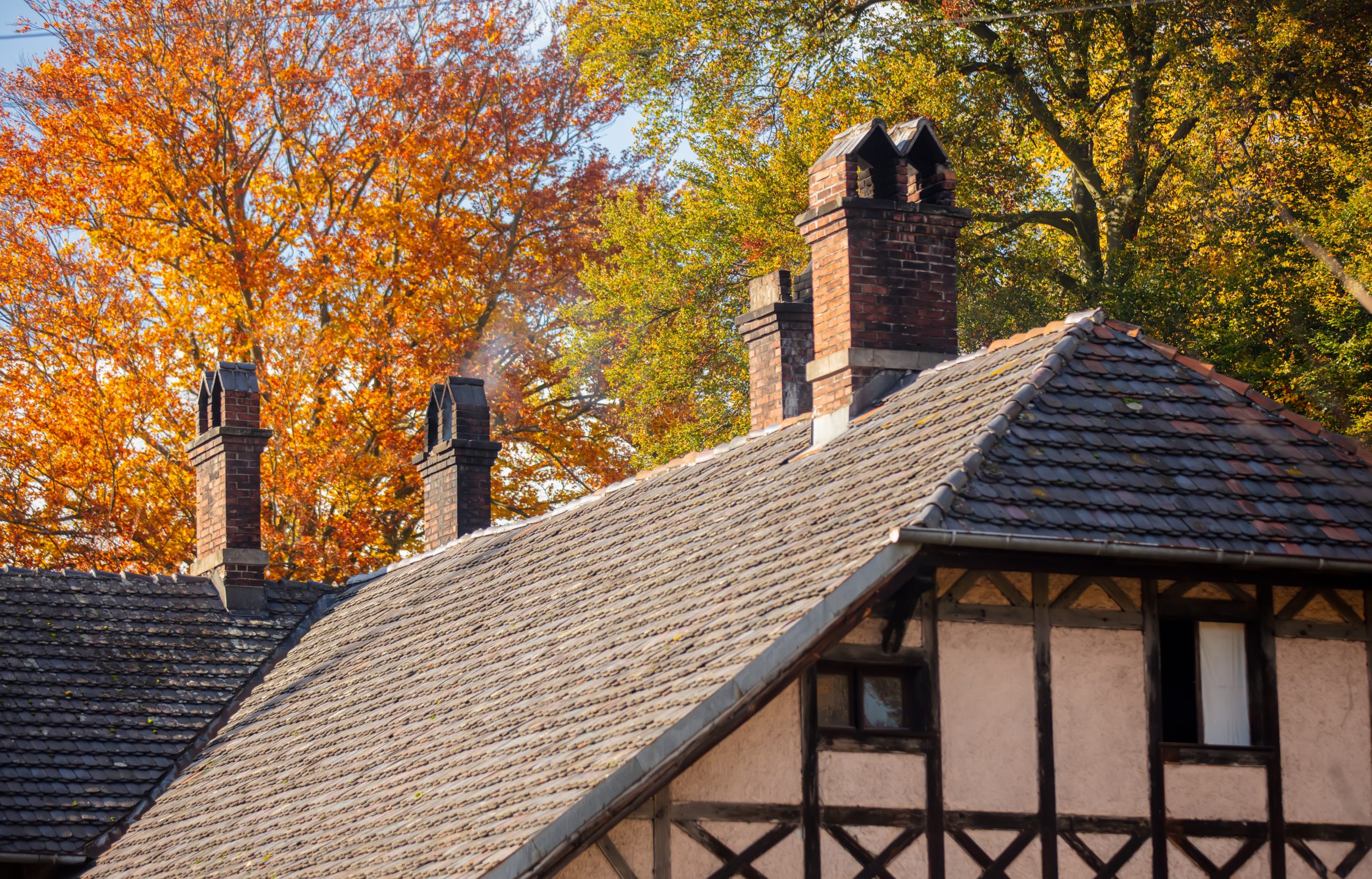
Winter is the time when ‘freeze-thaw’ damage is at its peak. After a heavy snowfall or an ice storm, take a moment to look at the exterior of your chimney. Are there icicles forming in strange places? This could indicate a leak in the crown. Is there steam or smoke leaking out of the sides of the bricks? This is a sign of a failed liner. Catching these winter-specific issues early can prevent a catastrophic failure during the middle of a blizzard.
Conclusion: Warmth without Worry
A safe winter fireplace is the result of respect for the power of fire and the harshness of the Midwestern climate. By following these winter-specific guidelines, you ensure that your home remains both cozy and secure. If you’re currently in the middle of a cold snap and have concerns about how your fireplace is performing, don’t wait. The experts at Chicagoland Chimney Cleaners are here to help you navigate the winter safely.
Frequently Asked Questions
- Should I close the damper when I’m not using the fireplace in winter? Yes. An open damper is like leaving a window wide open, letting all your furnace-heated air escape out the chimney.
- How do I handle ice buildup on my chimney? Never climb onto a snowy or icy roof. If you see significant ice on your chimney, call a professional who has the proper safety equipment to assess the situation.
- What’s the best wood for a long winter burn? Hardwoods like oak, hickory, and hard maple are best as they burn slowly and provide consistent heat with less creosote.
- Can I use a ‘fire starter’ log every day? While they are convenient, some contain waxes that can contribute to buildup. Use them sparingly as a starter, not a primary fuel source.
- Is it safe to sleep while the fire is dying out? No. You should wait until the embers are completely cold and the screen is secure before going to bed.