
How to Clean Your Fireplace Safely at Home
While clearing the dangerous creosote from your flue is a job strictly for certified professionals, keeping the visible parts of your hearth tidy between annual sweepings is a task many homeowners handle themselves. However, if not done correctly, this simple chore can lead to stained carpets, toxic dust in the air, or even a house fire. If you live in the Chicagoland area, here is the expert guide on **how to clean your fireplace safely at home**.
1. The Most Important Step: Cool Down Time
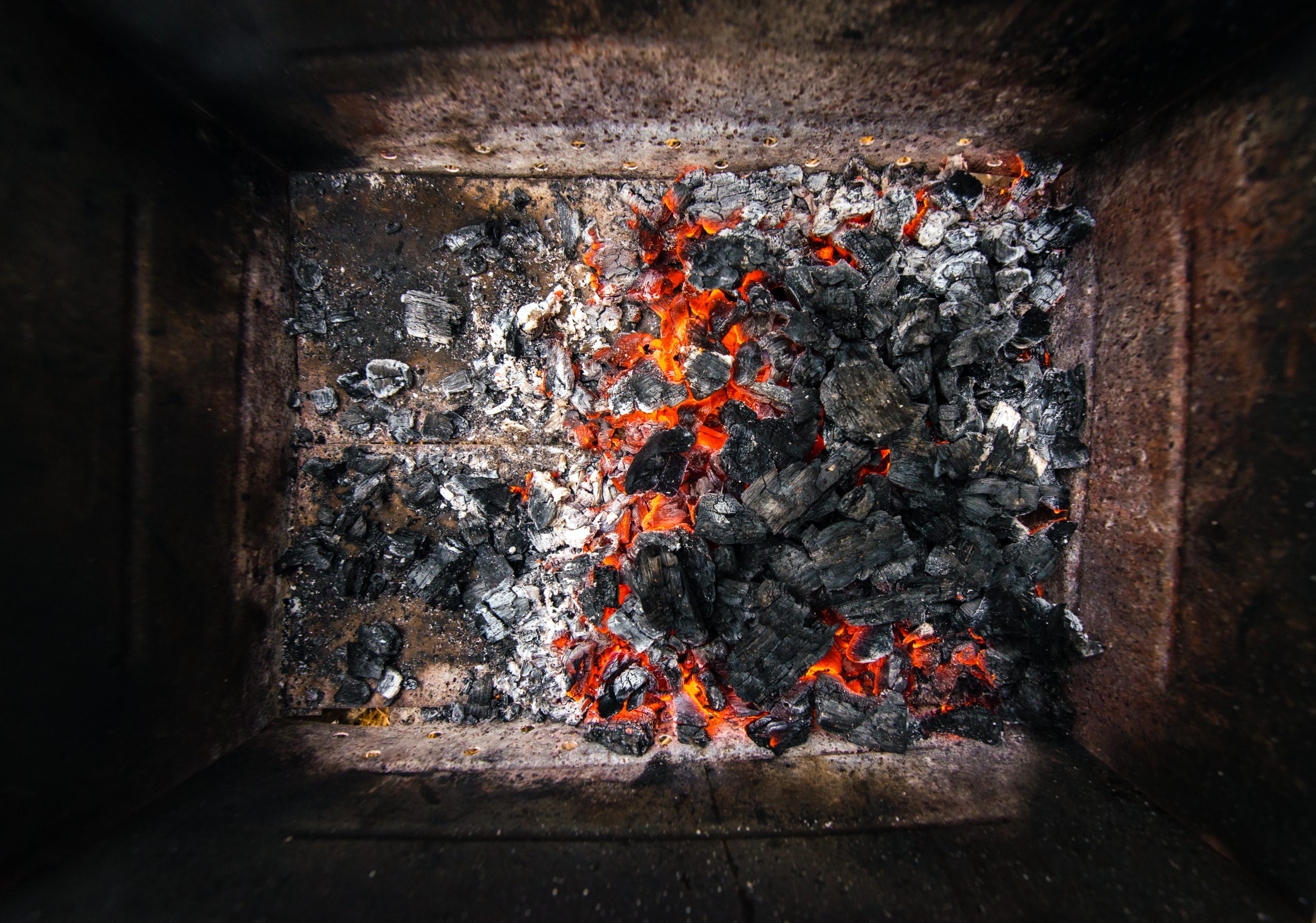
Never attempt to clean a fireplace immediately after a fire. It seems obvious, but ashes are incredible insulators. A pile of ash can hide burning embers that remain hot enough to start a fire for *up to 72 hours* after the flames have died. Wait at least three full days before beginning your clean-up process.
2. Safe Ash Removal
The biggest DIY mistake is using the household vacuum cleaner for ashes. Standard vacuums lack the specialized HEPA filters required to capture microscopic ash dust; they will simply blow the toxic dust out the exhaust port and all over your living room. Furthermore, if a hidden ember is sucked into the plastic body of a standard vacuum, it can melt the machine or start a fire.
**The Proper Method:**
- Lay down a damp drop cloth around the hearth to protect the flooring.
- Wear a dust mask and protective gloves.
- Sprinkle damp coffee grounds over the ashes; this weighs the dust down and prevents it from going airborne.
- Use a metal ash shovel to gently scoop the ashes into a *metal bucket with a tight-fitting metal lid*.
- Store the metal bucket outside, away from the house and any combustible materials, for several days before disposal.
3. Cleaning the Glass Doors
The brown, hazy film on your fireplace glass is baked-on carbon and creosote. Do not use Windex or standard abrasive household cleaners—these can permanently scratch the tempered glass.
**The DIY Trick:** Dip a damp newspaper or a soft rag into the cold, fine white wood ashes you just scooped out. Gently rub the ash-covered rag onto the glass. The fine ash acts as a mild, natural abrasive that cuts through the baked-on carbon without scratching the glass. Wipe clean with a damp paper towel.
4. Scrubbing the Grate and Tools
Take your heavy iron grate out to the driveway or garage. Use a stiff wire brush to scrub off the rust and thick carbon deposits. For your fireplace tools (pokers, shovels), wash them with a mild dish soap degreaser, dry them thoroughly to prevent rust, and wipe them down with a tiny amount of WD-40 or stove polish to keep them looking new.
Conclusion: Know When to Call the Pros
Routine ash removal and glass wiping keep your living room looking great throughout the Chicago burning season. However, do not attempt to scrub the deep interior brickwork or reach up past the damper to clean the flue yourself. When it’s time for the heavy lifting and safety inspections, contact the certified experts at Chicagoland Chimney Cleaners to handle the deep clean.
Frequently Asked Questions
- Should I leave a little ash in the fireplace? Yes! For wood-burning fireplaces, leaving a 1-inch bed of ash helps insulate the coals of the next fire, allowing it to start easier and burn hotter.
- Can I use a ‘shop vac’ to clean the ashes? Only if it is explicitly designed for ash (an ‘Ash Vac’) and features a metal canister, metal hose, and specialized fine-dust HEPA filtration.
- Are ashes good for the garden? Yes, wood ash is rich in potassium. However, use it sparingly, as it raises the pH level of the soil significantly.
- How do I clean soot off the exterior brick? For minor face smudges, you can try mixing an ounce of dish soap and an ounce of table salt with warm water, applying it with a rough cloth. Avoid heavy wire brushing, which destroys the brick face.
- What if the glass won’t come clean with the ash trick? It likely means stage-three glazed creosote has formed, requiring professional-grade ceramic glass chemical cleaners.