
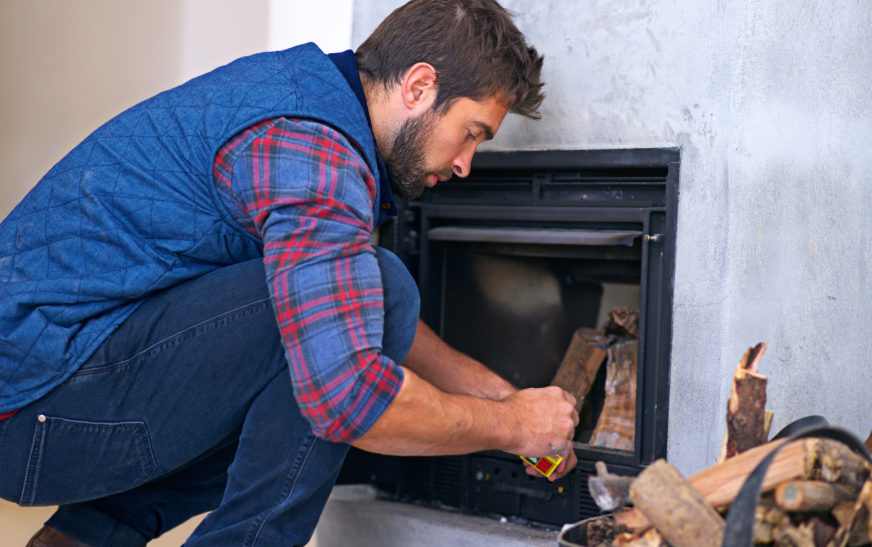
Professional Fireplace Cleaning in Chicagoland
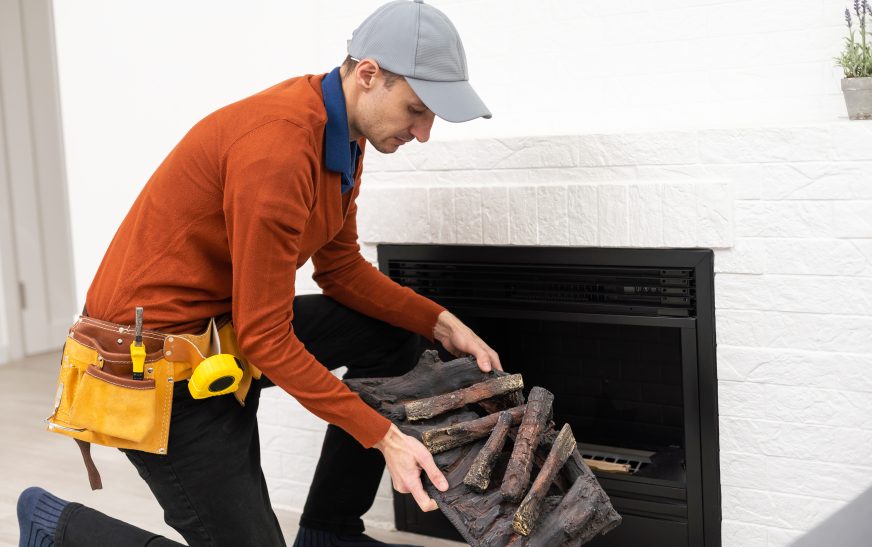
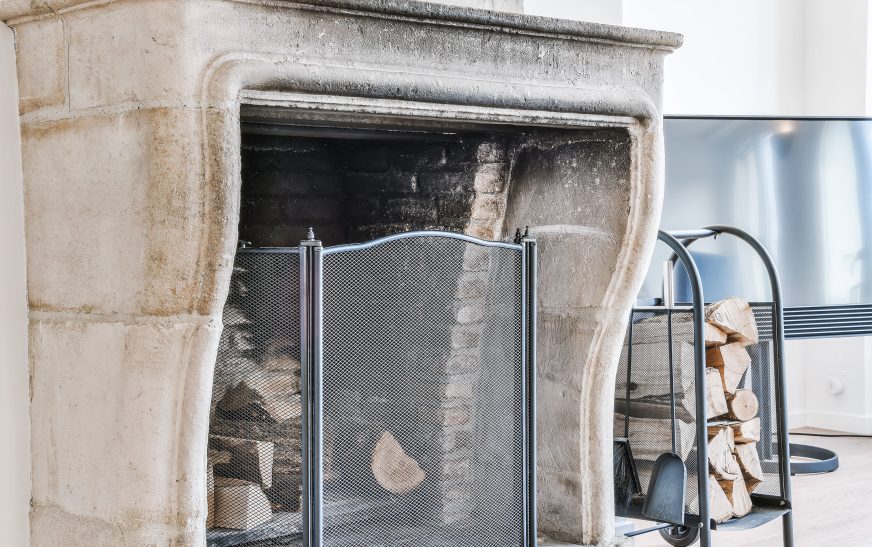
The fireplace is often the architectural centerpiece of a Chicagoland home’s living room. During the winter, it provides physical warmth and emotional comfort. But by the time spring arrives, that beautiful hearth is often left looking tired, covered in black soot, and smelling strongly of stale smoke. While sweeping the flue is critical for safety, the actual firebox and hearth require deep attention as well. Here is why **professional fireplace cleaning in Chicagoland** is essential for maintaining both the beauty and the function of your home’s centerpiece.
The Anatomy of the Mess: Soot vs. Creosote
Homeowners often grab a bucket of soapy water and a sponge to clean their firebox, only to find they’ve just smeared a black, oily mess into the pores of the brick. This happens because fireplace residue is not regular house dirt. It is a combination of two things:
- **Soot:** The fine, black, powdery substance that results from incomplete combustion. It travels easily and sticks to everything, especially the rough textures of brick and stone.
- **Creosote:** The sticky, highly acidic, and deeply penetrating tar-like substance that condenses out of the smoke. It bonds chemically with masonry and cannot be removed with standard household cleaners.
Our Professional Deep-Cleaning Process
At Chicagoland Chimney Cleaners, we don’t just sweep the chimney; we restore the hearth. Our professional fireplace cleaning process involves specialized chemicals and techniques:
1. Complete Ash and Debris Removal
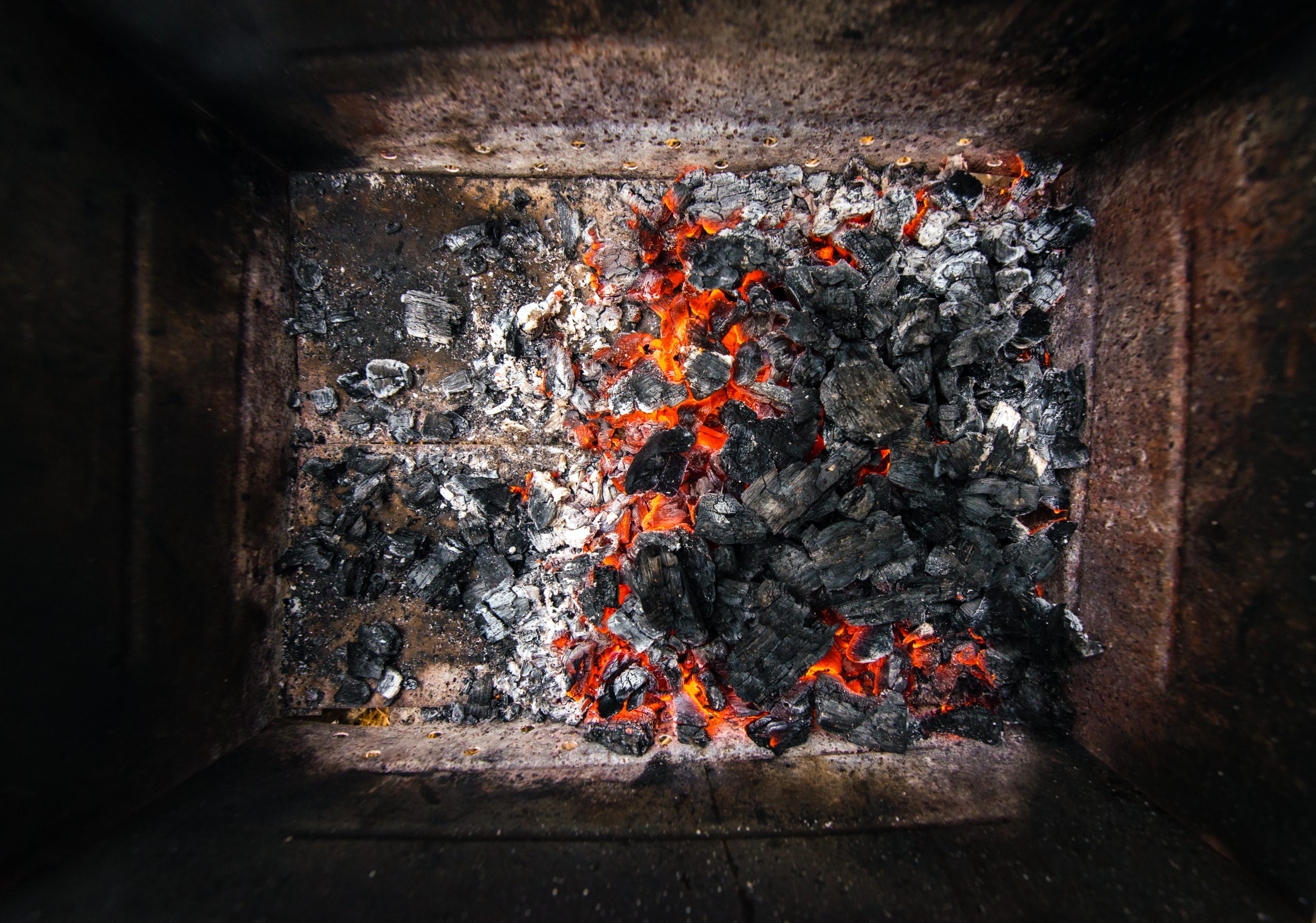
We begin by safely removing all the old, acidic ash from the firebox using industrial, multi-stage HEPA-filtered vacuums. This ensures that the microscopic ash dust isn’t blown out into your living room’s airspace.
2. The Chemical Poultice Treatment
To safely remove deeply embedded soot and creosote stains from the facing brick or stone of your fireplace, we use a specialized chemical poultice. This thick, paste-like material is applied to the masonry, where it slowly draws the embedded smoke stains and oils out of the pores of the stone without damaging the material. As the poultice dries, the stains are lifted away.
3. Smoke Chamber Deep Scrub
The area immediately above the damper—the ‘smoke chamber’—often holds the thickest deposits of creosote and debris. We use specialized rotary brushes designed to scrub the irregular angles of this chamber, ensuring smooth exhaust flow and eliminating the primary source of ‘stale smoke’ odors in the home.
4. Glass Door Restoration
If you have glass fireplace doors, they are likely coated in a cloudy, brown film. We use commercial-grade ceramic glass cleaners that dissolve baked-on carbon without scratching the tempered glass, restoring a crystal-clear view of your fire.
Conclusion: Let the Centerpiece Shine
Your fireplace should elevate the look of your living space, not make it look dirty. Attempting a deep clean with household products usually leads to frustration and stained carpets. Let the experts at Chicagoland Chimney Cleaners do the heavy lifting. We have the tools, the chemicals, and the experience to reset your hearth to its original glory safely and cleanly. Contact us today to schedule your professional cleaning.
Frequently Asked Questions
- Is professional cleaning messy? No! We pride ourselves on our ‘clean zone’ prep. We utilize massive drop cloths, sticky mats, and industrial HEPA vacuums to ensure zero soot enters your home.
- Can you get every stain out of the bricks? While our poultice treatments are incredibly effective, decades-old creosote stains deeply baked into highly porous brick may lighten significantly but not disappear 100%.
- Will this get rid of the ‘campfire’ smell in my house? Yes. By thoroughly scrubbing the firebox and the smoke chamber, we remove the creosote that is off-gassing and causing the odor.
- How long does a deep clean take? A standard firebox and flue sweeping takes about 1-2 hours. If a chemical poultice treatment is required for the facing brick, it may take longer.
- Should I clean it before or after winter? We highly recommend scheduling your cleaning in the spring, immediately after the burning season, so the acidic ashes don’t sit in your home all summer.