
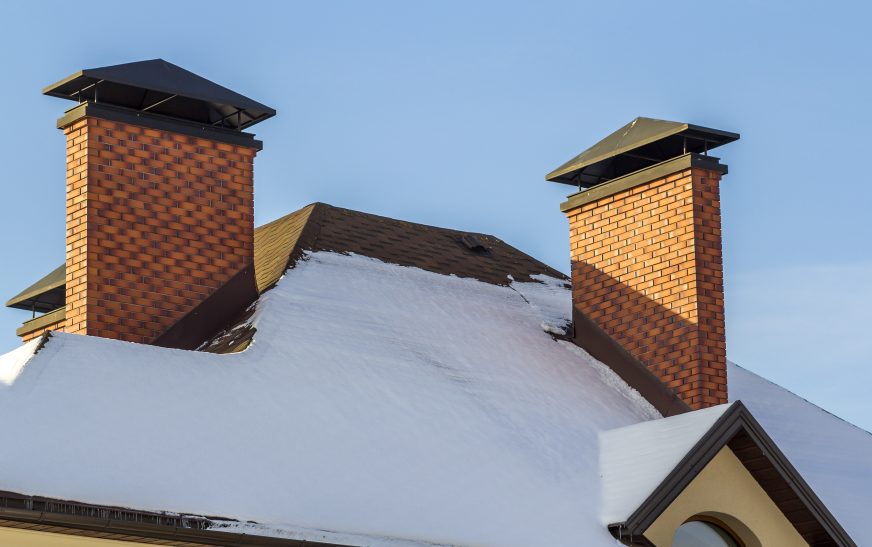
How Weather Damages Chimneys in Chicagoland
Living in the Chicagoland area means experiencing the absolute extremes of all four seasons. We love our beautiful summers, and we endure our brutal winters. However, the structures we live in—especially those built of brick and mortar—bear the brunt of this climate. A chimney, standing tall above the roofline and exposed on all sides, is arguably the most weather-beaten component of your home. Understanding **how weather damages chimneys in Chicagoland** is key to recognizing why regular maintenance is not optional here, but mandatory.
The Core Enemy: Water Migration
The foundation of almost all weather-related chimney damage is water. Bricks are basically hard sponges made of clay, and mortar is essentially durable sand. When it rains (and Chicagoland gets an average of nearly 40 inches of precipitation a year), that water is absorbed deep into the microscopic pores of the masonry. In the summer, this water simply evaporates. But in the winter, the true destruction begins.
The Brutality of the ‘Freeze-Thaw’ Cycle
The defining characteristic of Chicago winters is the constant fluctuation in temperature. It might be 40 degrees on a Tuesday and 10 degrees by Wednesday night. This is known as the ‘freeze-thaw’ cycle, and it is the executioner of masonry.
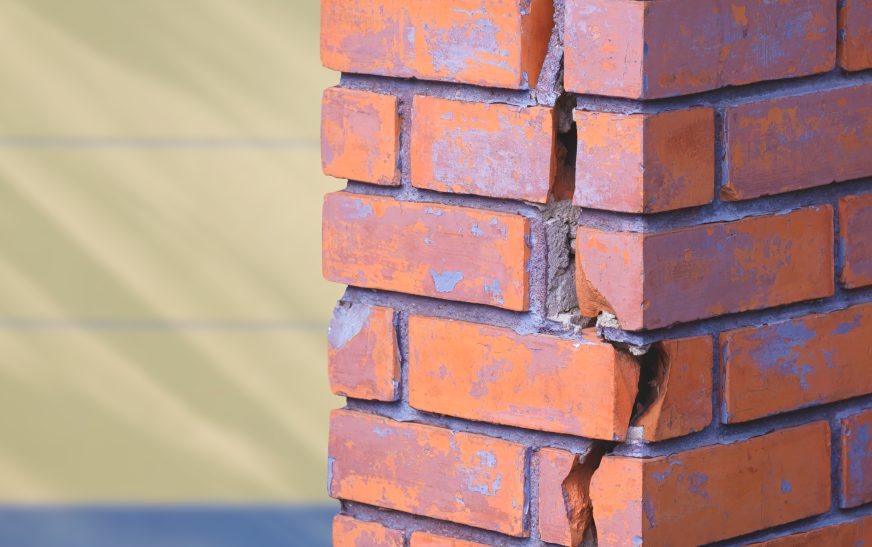
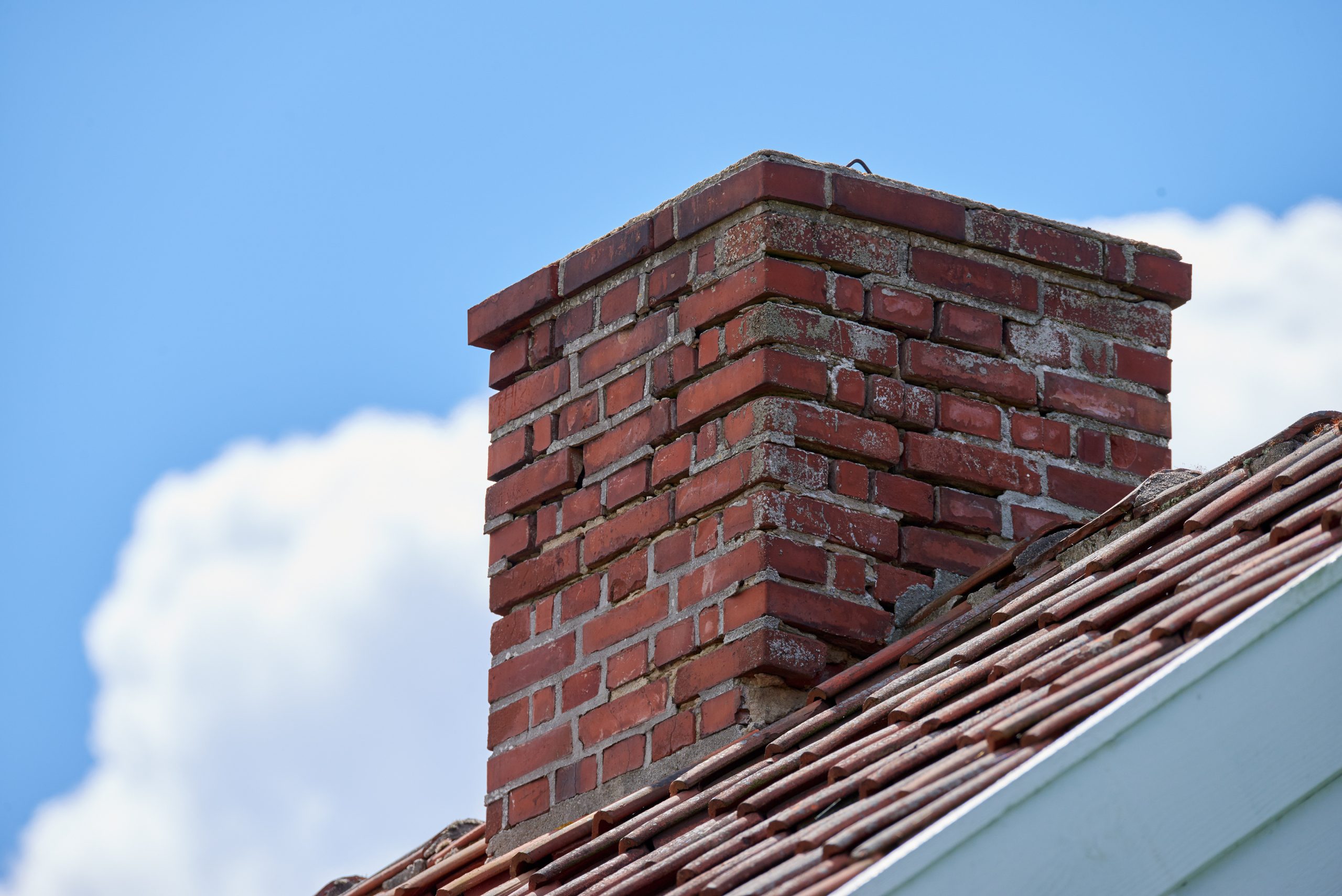
When the water trapped inside your chimney bricks freezes, it expands by approximately 9% of its volume. This expansion exerts thousands of pounds of pressure from *inside* the brick. It violently pushes the face of the brick off (a process called spalling) and crushes the sand in the mortar joints into a loose powder. When it thaws the next day, more water fills the new, larger cracks, and the cycle repeats. Over a single winter, a chimney can experience dozens of these cycles, aging the structure by years.
Wind: The Invisible Erosive Force
Chicago isn’t called the Windy City for nothing. Our powerful winds, especially those whipping off Lake Michigan, carry abrasive dust, dirt, and microscopic ice crystals. Over decades, this constant wind acts like slow sandblasting, wearing away the smooth protective face of the bricks and the sharp edges of the mortar joints. Wind also plays a major role in tearing off improperly secured chimney caps and driving rain sideways deep into hairline cracks.
Summer Heat and UV Rays
Even when it’s not freezing, weather is doing damage. The intense heat and UV radiation of a Chicago summer cause the metal components of your chimney—like the flashing and the cap—to expand and contract. Over time, this thermal cycling breaks the seal of the caulking around the flashing, creating an entry point for water when the heavy summer thunderstorms arrive.
Conclusion: Defense is the Best Offense
You cannot stop the Chicagoland weather, but you can definitely defend against it. The key is preventing the initial water migration. Applying professional, vapor-permeable waterproofing sealants, maintaining a solid chimney cap, and securing high-quality flashing are the best ways to combat the climate. At Chicagoland Chimney Cleaners, we build and repair chimneys specifically designed to withstand the brutal midwestern elements. Contact us to fortify your home against the weather today.
Frequently Asked Questions
- Does snow damage the chimney as much as rain? Yes, often more. Snow sitting on the chimney crown or packed against the flashing melts slowly, providing a constant supply of water to soak into the masonry before the next freeze.
- How can I protect my older brick home? For historic ‘Chicago common brick’ homes, vapor-permeable waterproofing is essential, as these older bricks are much more porous than modern ones.
- Can a severe windstorm blow my chimney over? A structurally sound chimney will easily withstand Chicago winds. However, if the mortar has already failed due to freeze-thaw damage, a severe gust could cause a collapse.
- Will fixing the leaks stop the freeze-thaw damage? Yes, stopping water intrusion is the only way to halt the freeze-thaw cycle from destroying your masonry.
- Is there a specific mortar used for weather resistance? Yes, we use specific mortar blends (like Type N or Type O depending on the brick age) designed to have the right flexibility and compressive strength for our climate.