
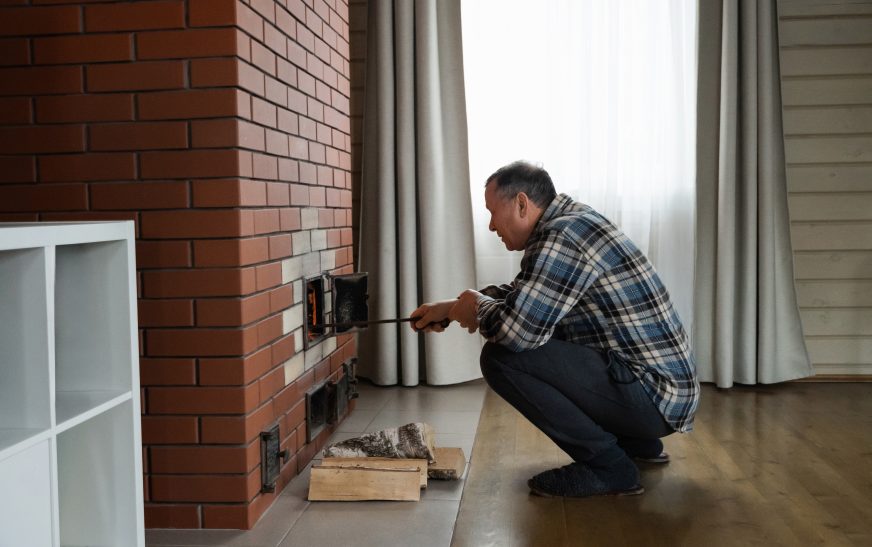
The Risks of DIY Chimney Cleaning
The internet is full of optimistic articles claiming that with a few rods and a spare Saturday, you can clean your own chimney and save $250. What these optimistic guides often fail to mention are the severe consequences when things go wrong. For homeowners in the Chicagoland area considering this project, understanding **the risks of DIY chimney cleaning** is essential before you ever set foot on a ladder.
1. The Risk of Severe Incomplete Cleaning
The biggest danger of DIY sweeping is the false sense of security it provides. A basic hardware store brush pushed by hand can only remove light, powdery soot. It *cannot* remove thick, tar-like creosote (Stage 2) or baked-on, glossy glaze (Stage 3). Furthermore, a hand brush cannot navigate the jagged, irregular walls of the smoke chamber above the damper—which is precisely where the most dangerous amount of creosote gathers. A DIYer will clean the easy parts, assume the chimney is safe, light a fire, and suddenly have the remaining thick creosote ignite.
2. The Massive ‘Soot Cloud’ Mess
Soot is essentially microscopic, highly acidic, jet-black dust. When you plunge a brush down a chimney, it creates incredible air pressure that forces this dust out of the fireplace opening. Professional sweeps utilize massive canvas drop cloths and specialized, extremely expensive negative-pressure HEPA vacuums to capture this dust instantly. A DIYer using a standard household vacuum (which lacks the proper filtration) will simply blow that microscopic black dust across the entire living room, staining carpets, couches, and walls permanently.
3. Damaging the Chimney Liner
Many older Chicago homes have traditional terra-cotta clay liners. Over decades of heating and cooling, these clay tiles become brittle. If you use the wrong size brush, use a stiff wire brush instead of poly-bristle, or apply too much torque with DIY drill attachments, you can easily crack the clay tiles. Once the liner is cracked, the chimney is condemned until it is relined with stainless steel—a repair that costs thousands of dollars.
4. Extreme Physical Danger
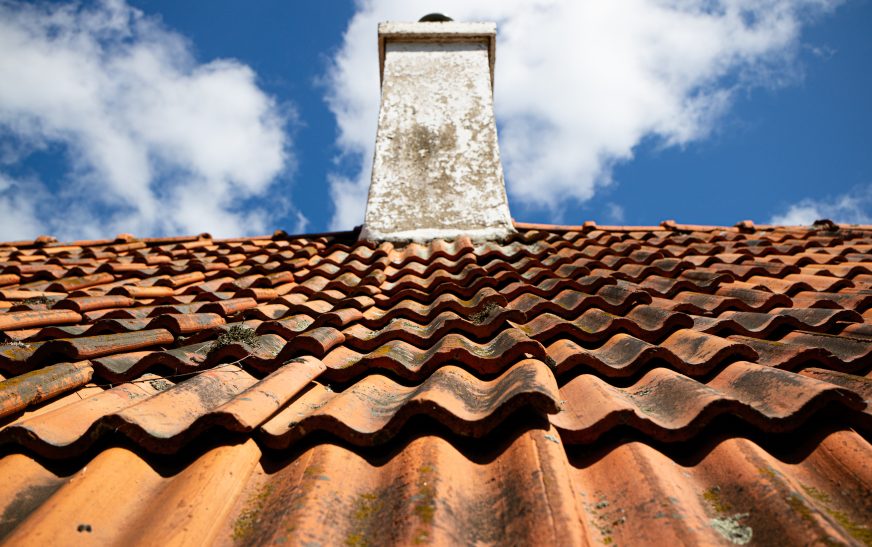
If you attempt to clean the chimney from the top down, you are taking a massive physical risk. Walking on steep, often frost-covered Chicago roofs while trying to muscle heavy fiberglass rods down a hole is incredibly dangerous. Falls from roofs are a leading cause of severe injury and death in residential settings. Professional sweeps are trained in high-angle safety rigging and fall-arrest systems.
Conclusion: Some Jobs are Not DIY
While fixing a squeaky hinge is a great DIY project, maintaining the system designed to vent 1,500-degree exhaust gases out of your wooden house is not. The risks of destroying your carpets, damaging your masonry, falling off your roof, or leaving behind explosive creosote far outweigh the $250 you might save. Keep your family and your home safe by trusting the certified professionals at Chicagoland Chimney Cleaners.
Frequently Asked Questions
- Are creosote sweeping logs dangerous? They aren’t dangerous to use, but relying on them as your *only* form of cleaning is dangerous. They do not magically make the creosote disappear; they just loosen it, requiring a mechanical sweep to extract the debris.
- Can I use my Shop-Vac to clean the ashes? No. Standard Shop-Vacs do not have the specialized fire-rated HEPA filters needed. You will blow toxic ash dust directly into the air you breathe.
- What if I just clean the firebox myself? Cleaning the cool ashes out of the firebox with a shovel and bucket between professional visits is safe and highly recommended! Just don’t attempt to clean the flue above the damper.
- How much does it cost if I accidentally break the clay liner? Relining a chimney with a code-compliant insulated stainless steel liner typically costs between $2,500 and $5,000 depending on the height and complexity.
- Will my insurance cover a chimney fire if I swept it myself? Likely not. Insurance companies often require proof of professional maintenance; DIY sweeping is rarely accepted as adequate preventative maintenance if a disaster occurs.