
How Dryer Vent Cleaning Prevents House Fires
According to the U.S. Fire Administration, clothes dryers are involved in over 15,000 residential fires every year, resulting in millions of dollars in property damage. The leading cause of these fires? The failure to clean the venting system. While a dryer seems innocuous compared to a wood-burning fireplace, the science behind a dryer fire is surprisingly identical. For Chicagoland homeowners, understanding **how dryer vent cleaning prevents house fires** is about recognizing the physical removal of a deadly equation.
The Fire Triangle: Fuel, Heat, and Oxygen
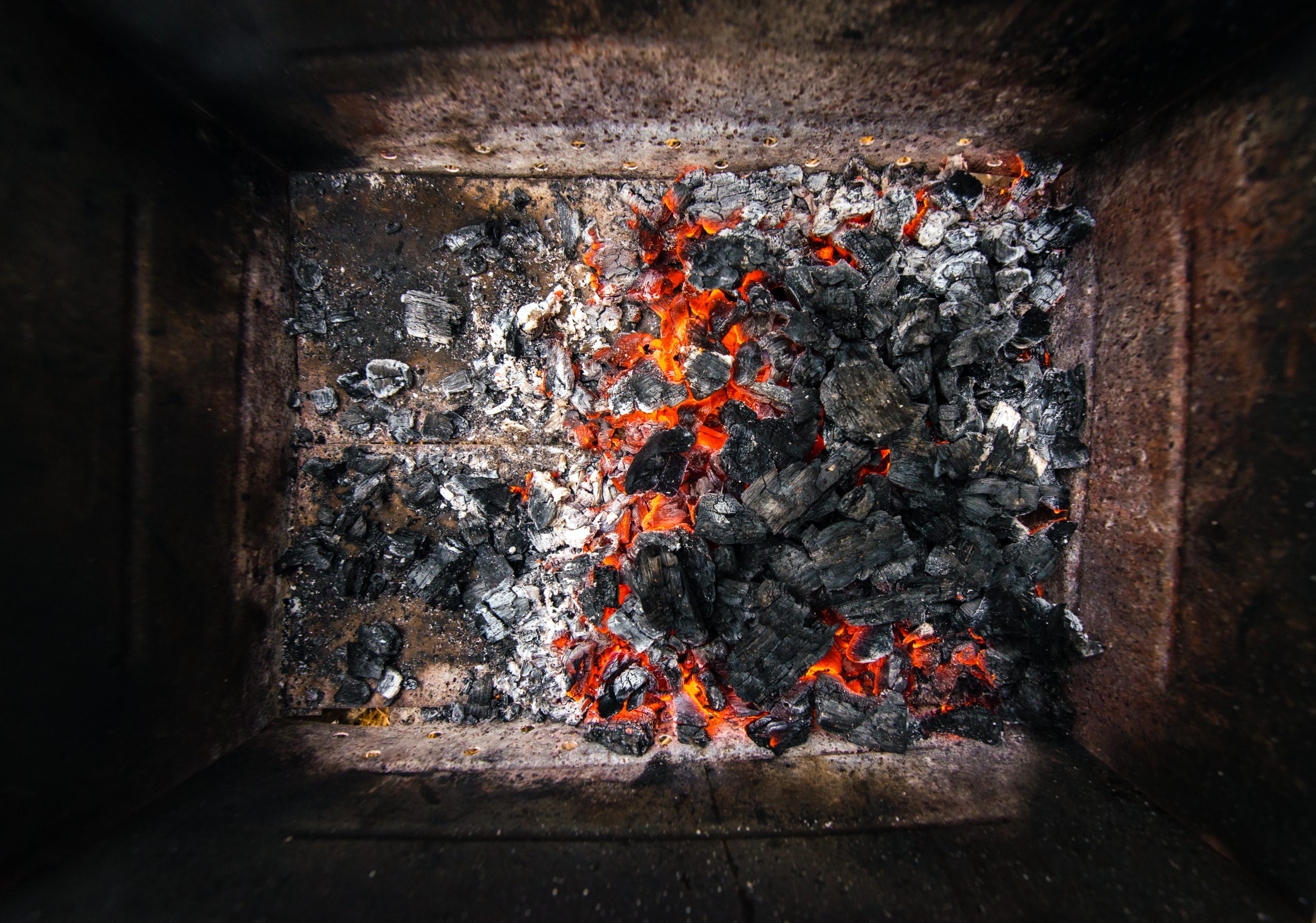
For any fire to start, three elements must be present: fuel, heat, and oxygen. A clogged dryer vent provides all three perfectly.
1. The Fuel: Lint
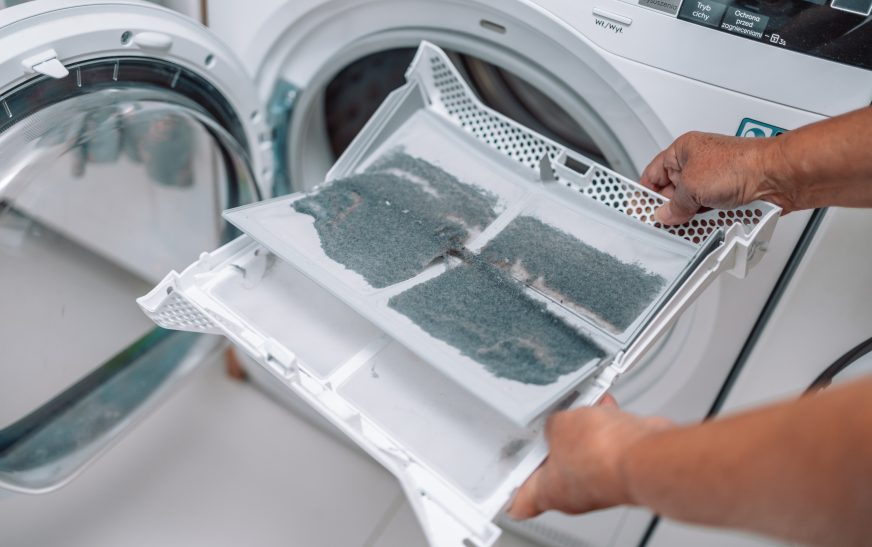
Dryer lint is highly combustible. It is composed of tiny pieces of cotton, polyester, and other fabrics, mixed with hair, dust, and residual laundry detergent. Because these fibers are microscopic, they have a massive surface area relative to their mass, meaning they ignite almost instantly and burn incredibly fast. **Professional vent cleaning physically removes this fuel source** from the walls of the ductwork.
2. The Heat: Restricted Exhaust
The heating element inside a gas or electric dryer reaches temperatures well over 130 degrees Fahrenheit. The system is designed to blow this heat out through the vent. When the vent is blocked by lint, the heat cannot escape. The backpressure forces the internal temperature of the dryer cabinet and the exhaust vent to rise significantly. If the temperature hits the auto-ignition point of the lint (which can be surprisingly low), a fire starts. **Professional vent cleaning restores airflow**, allowing the heat to dissipate safely outside.
3. The Oxygen: Blower Motors
Once the lint ignites, the dryer’s powerful blower motor acts exactly like a blacksmith’s bellows. It pumps highly oxygenated air directly into the flame, causing the fire to spread from the machine, into the vent pipe, and ultimately behind the drywall into the home’s framing in mere seconds.
The Danger of the Flex-Hose
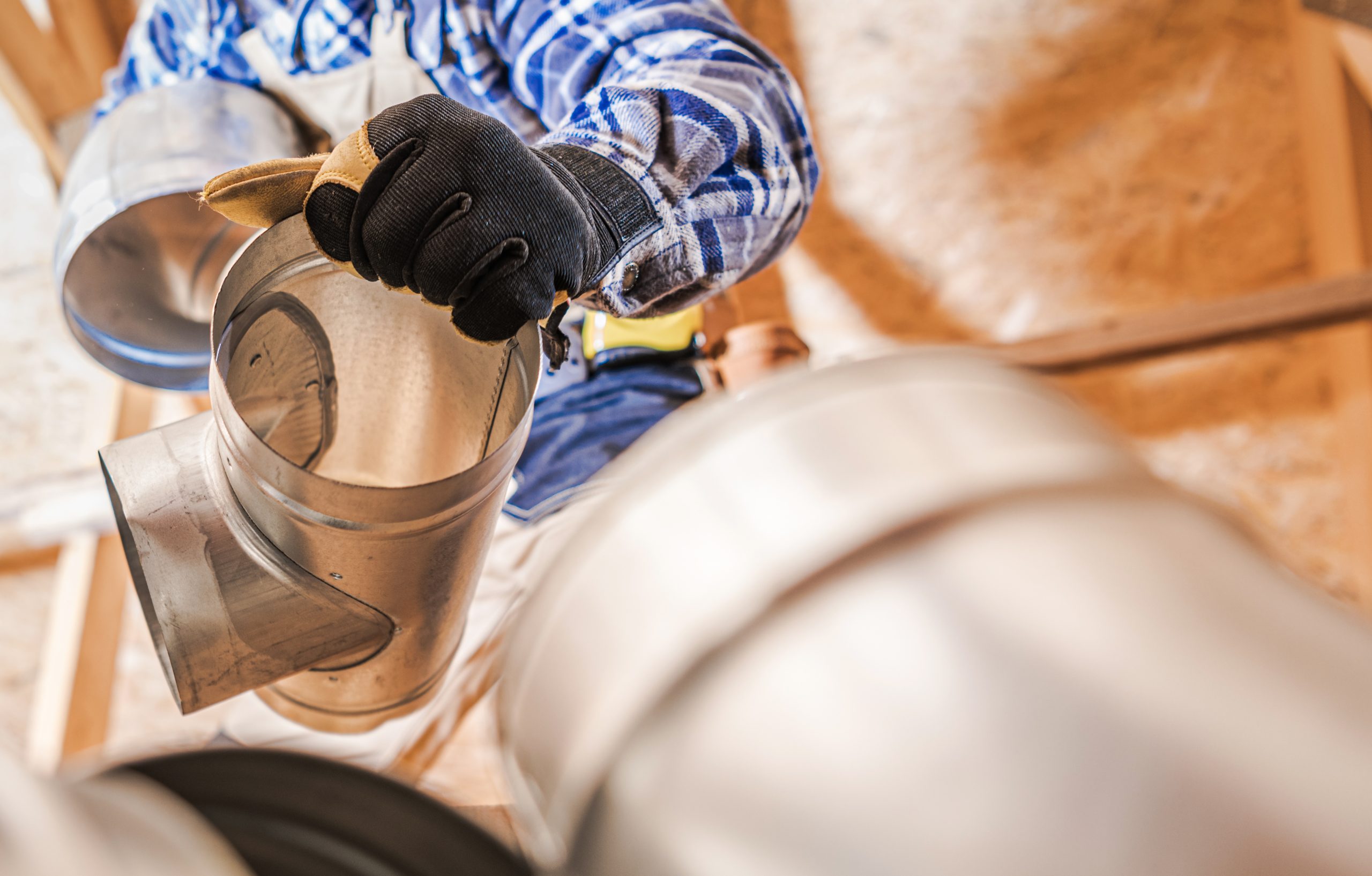
Part of a professional cleaning involves an inspection of the materials. Many older Chicagoland homes still use white plastic or foil ‘accordion-style’ transition hoses behind the dryer. These are incredibly dangerous. Their ribbed design traps lint instantly, and in the event of a fire, the plastic or thin foil melts away in seconds, allowing the fire to jump straight into the laundry room. A professional will always replace these with smooth, rigid metal ducts that contain the heat.
Conclusion: Break the Triangle
Preventing a dryer fire is simply a matter of breaking the ‘Fire Triangle.’ By having Chicagoland Chimney Cleaners professionally scrub and vacuum the lint from your exhaust ducts, you completely eliminate the ‘fuel’ from the equation. Protect your family from this unseen hazard by scheduling an annual, professional vent cleaning today.
Frequently Asked Questions
- How fast can a dryer fire spread? Incredibly fast. Because the fire starts inside a highly oxygenated tube hidden within the wall cavities, it bypasses smoke detectors in the room and can compromise the roof structure in minutes.
- Can a fire start if the dryer is turned off? Generally, no, as the heat source is removed. However, if a smoldering piece of lint was created right as the cycle ended, it could ignite shortly after.
- Will cleaning the lint trap prevent fires? The lint trap only catches about 25% of the lint. The rest bypasses the trap and enters the vent. Cleaning the trap improves efficiency but does not replace vent cleaning.
- What should I do if my dryer catches fire? Evacuate the house immediately and call 911. Do not open the dryer door; doing so introduces massive amounts of oxygen and causes a ‘flashover’ effect in your face.
- Do you inspect the venting material during a cleaning? Yes. A critical part of our service is ensuring your vent material (rigid metal) and the routing to the exterior meet current fire safety codes.