
Brick vs Masonry Repair: What You Need to Know
When an inspector tells a Chicagoland homeowner that their chimney needs work, terms like ‘brick repair’ and ‘masonry repair’ are often thrown around interchangeably. While they are closely related, understanding the difference between **brick vs. masonry repair** is vital for understanding what exactly is happening to the structure of your home, what the repairing contractor will actually be doing, and why the costs might vary.
The Core Definition: Masonry
In the construction industry, ‘masonry’ is the broad term for building structures from individual units laid in and bound together by mortar. Therefore, brickwork is a *type* of masonry (along with stonework and concrete block). When contractors talk about ‘masonry repair’ on a chimney, they are usually referring to repairing the system as a whole, which most commonly means addressing the mortar that binds it together.
Masonry Repair: Focusing on the Mortar (Tuckpointing)
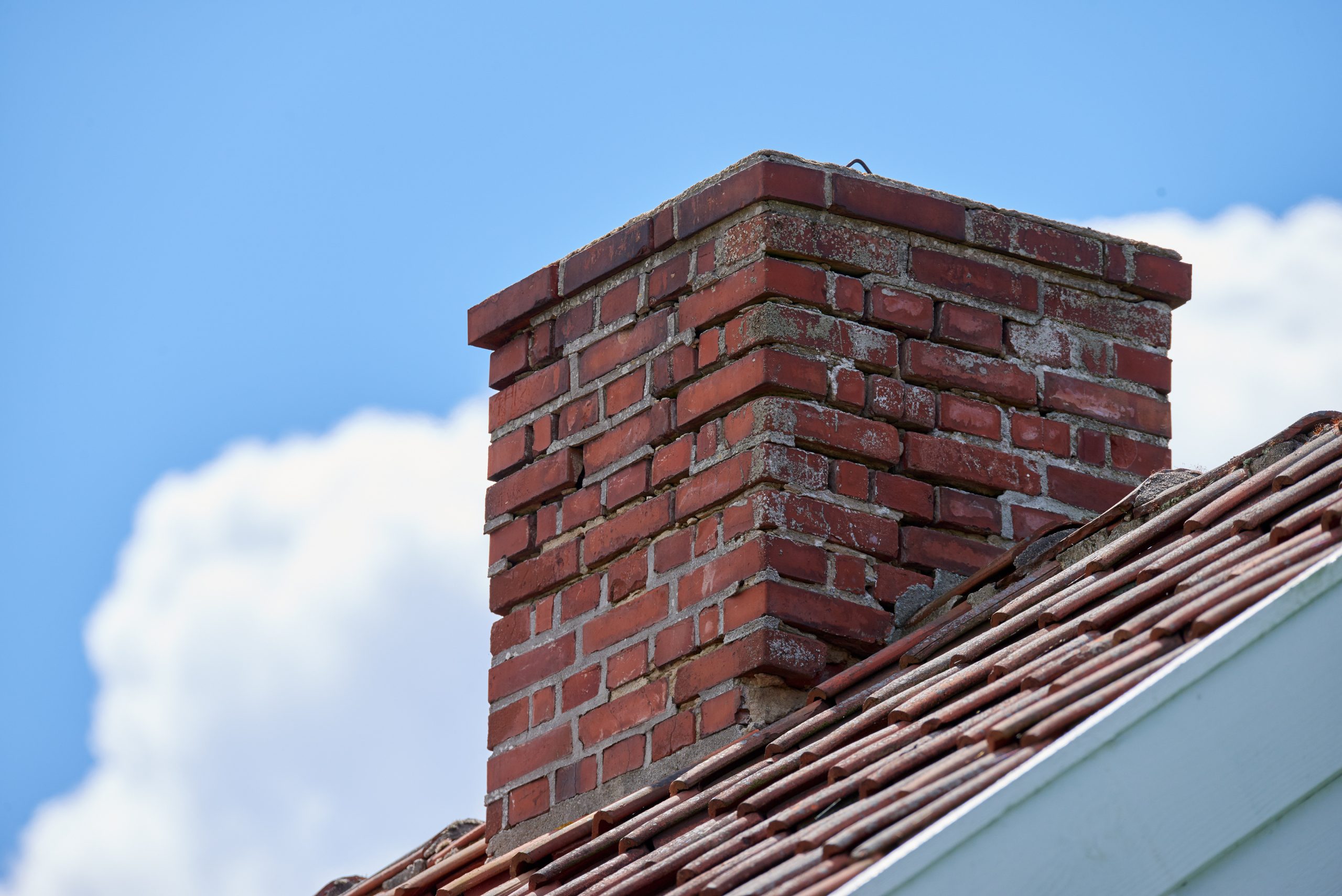
The vast majority of ‘masonry repair’ on Chicago chimneys involves dealing with failing mortar. The mortar is actually designed to be slightly weaker than the brick itself. It acts as a sacrificial element, absorbing the stress of thermal expansion and slight house settlement so the bricks don’t crack. Because it takes this stress, it fails first.
Repairing this is called *tuckpointing* or *repointing*. The mason grinds out the old, failing mortar to a specific depth and injects new, fresh mortar. The bricks themselves are left untouched. This is a maintenance procedure that extends the life of the existing structure.
Brick Repair: Addressing the Units (Spalling and Replacement)
‘Brick repair’ focuses specifically on the individual clay units. In the Chicagoland climate, bricks fail primarily through ‘spalling’—when water freezes inside them and pops the face off. You cannot ‘repair’ a spalled or cracked brick. You cannot glue the face back on or fill it with caulk.
Therefore, ‘brick repair’ almost always means *brick replacement*. The mason must carefully chisel out the damaged brick entirely, clean the cavity, and insert a new, structurally sound brick with fresh mortar. This is a more surgical and time-consuming process than general tuckpointing.
Which Do You Need?
The type of repair you need depends entirely on the stage of decay your chimney is in:
- **Early Stage:** The mortar feels sandy and is receding, but the bricks have sharp edges and solid faces. You need **masonry repair (tuckpointing)**.
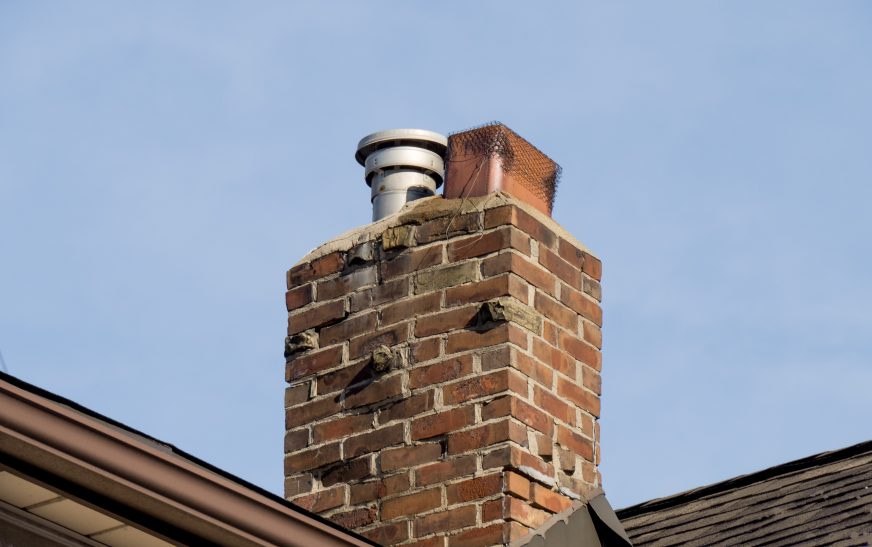
- **Late Stage:** You find red brick chips on your roof, the faces of the bricks are missing, or deep cracks run straight through the center of the bricks. You need targeted **brick replacement**, almost always combined with tuckpointing.
- **Terminal Stage:** The structure is leaning, or the majority of the bricks are soft and crumbling. You need a complete **chimney rebuild**.
Conclusion: Trust the Professionals
Identifying the precise type of repair required is not a DIY task. Using the wrong repair method—such as trying to tuckpoint around a structurally compromised brick—will just lead to a faster failure next winter. At Chicagoland Chimney Cleaners, our historic masonry experts will give you a clear, honest assessment of whether you need mortar repair, brick replacement, or a combination of both.
Frequently Asked Questions
- Is brick replacement more expensive than tuckpointing? Per square foot, yes. Removing an individual brick without damaging the surrounding structure is labor-intensive and requires high skill.
- Will new replacement bricks look different than the old ones? At first, yes. However, we go to great lengths to source matching salvage bricks or specifically aged bricks to blend in with historical Chicago homes.
- Can I paint my bricks to hide the damage? No. Painting traps water and accelerates both brick and mortar failure.
- What kind of mortar is best? It depends on the age of your bricks. Old ‘Chicago Common’ bricks require softer, lime-based mortar. Harder modern Portland cement will destroy them.
- Does waterproofing protect the bricks or the mortar? A professional siloxane waterproof sealant protects *both* the porous bricks and the mortar joints from water absorption.