
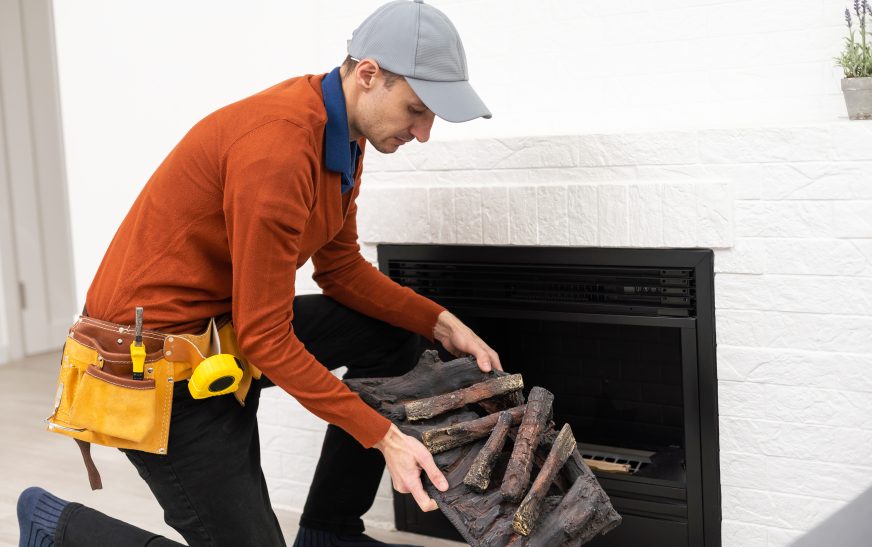
Fireplace Cleaning Checklist for Chicagoland Homes
A well-maintained hearth is the heart of a cozy Chicago home during the long winter months. While sweeping the internal flue is a job strictly for certified professionals, maintaining the beauty and basic hygiene of the firebox, hearth, and surround is a job for the homeowner. To help you tackle this chore efficiently and safely, we’ve compiled the ultimate **fireplace cleaning checklist for Chicagoland homes**. Whether you are closing up the fireplace for the spring or preparing for the first fall fire, this guide will ensure you don’t miss a step.
Phase 1: Preparation and Safety
- **Wait for the Cool Down:** Ensure the fireplace has been completely unlit for at least 72 hours. Hidden embers remain hot for days.
- **Create a ‘Clean Zone’:** Lay down a damp canvas drop cloth extending at least 4 feet into the room to protect your flooring from soot.
- **Gear Up:** Wear a high-quality N95 dust mask (essential for keeping microscopic ash out of your lungs), protective goggles, and rubber gloves.
Phase 2: Ash and Debris Removal
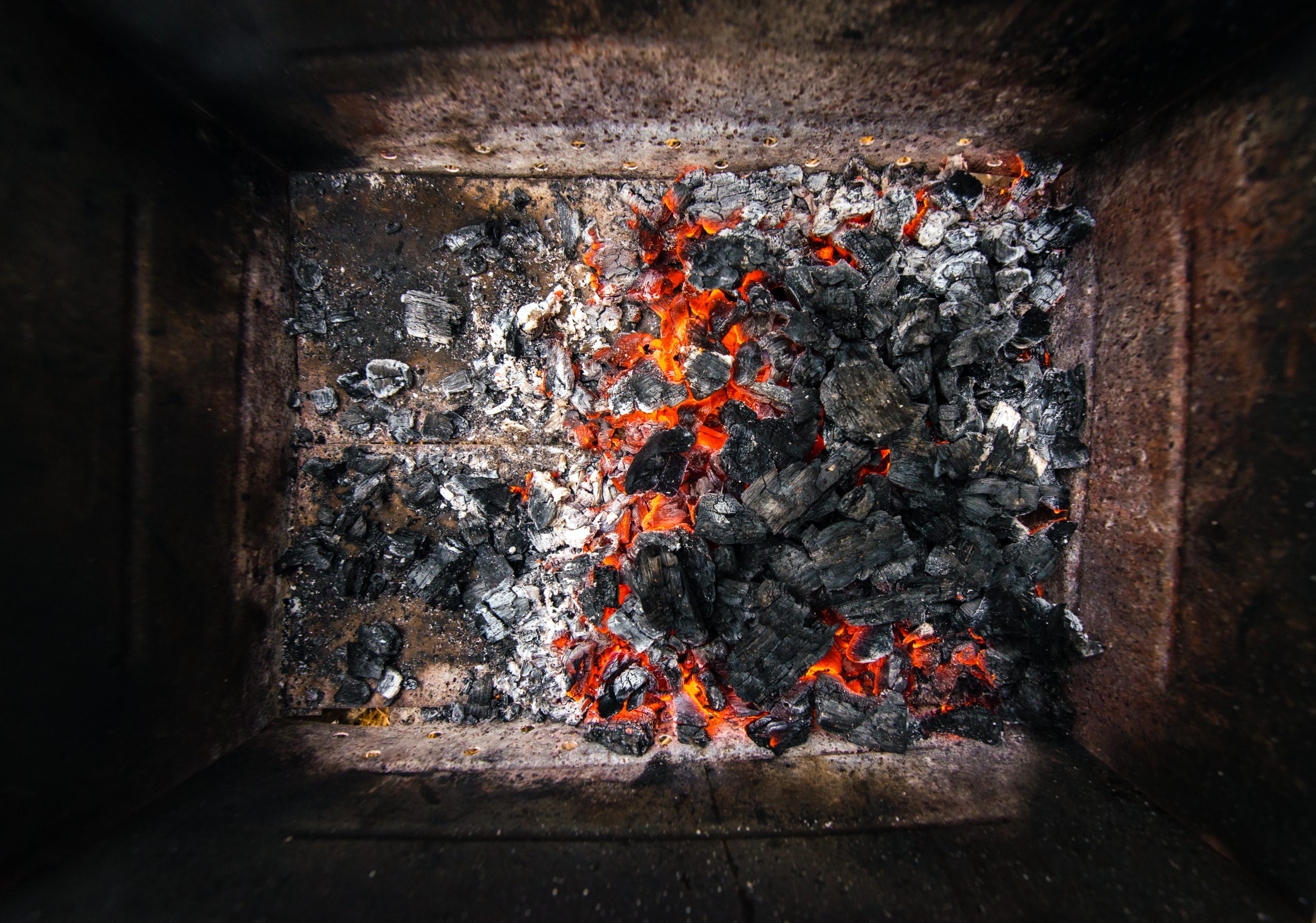
- **Scoop Carefully:** Use a metal shovel to gently scoop the bulk of the ashes into a metal bucket. Do not drop the ashes into the bucket; lower the shovel to prevent dust plumes.
- **The Coffee Ground Trick:** If the ash is particularly dusty, sprinkle damp coffee grounds over it before scooping to weigh the dust down.
- **Store Safely:** Take the metal ash bucket outside, secure the tight-fitting metal lid, and store it away from the house or wooden decks.
- **Sweep the Grate:** Take the heavy iron grate outside and scrub it with a stiff wire brush to remove baked-on carbon.
Phase 3: Deep Cleaning the Firebox
- **Dry Scrub:** Use a stiff-bristled nylon brush (do not use wire on the interior brick face) to dry-scrub loose soot from the walls of the firebox.
- **The Soot Wash:** Mix a solution of warm water, a few squirts of dish-degreaser (like Dawn), and a half cup of baking soda. Dip a sponge in the solution and scrub the brickwork.
- **Rinse:** Wipe the bricks down with a clean, damp cloth to remove the soapy residue.
Phase 4: Detailing the Surround and Glass
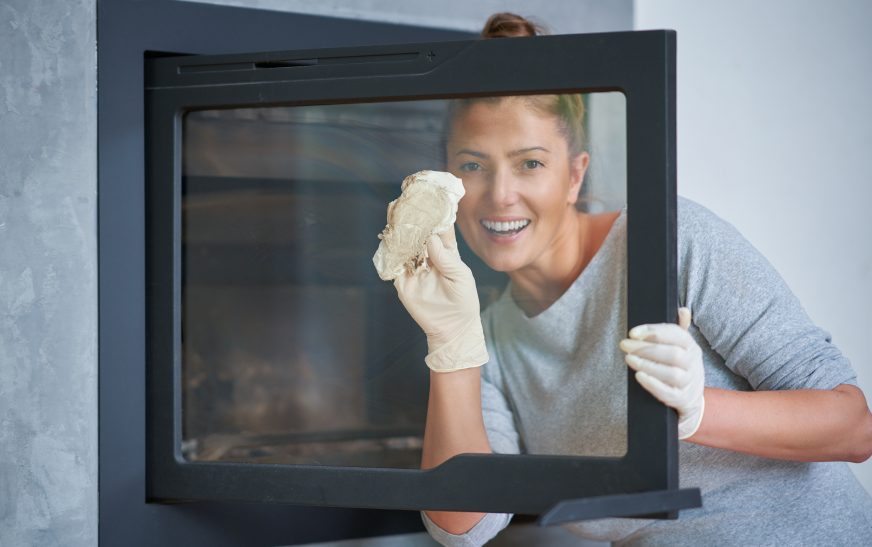
- **Clean the Glass:** Dip a damp piece of newspaper or rag into cold, fine white ash. Rub this directly onto the glass doors to cut through the baked-on creosote without scratching the glass. Wipe clean with a paper towel.
- **Polish the Tools:** Wipe down your poker, shovel, and tongs with the degreaser solution, dry thoroughly, and apply a dab of stove polish or WD-40 to prevent rust over the humid Chicago summer.
- **Vacuum the Hearth:** Use a standard vacuum *only* on the carpet or floor surrounding the drop cloth to pick up any stray debris. (Never vacuum inside the firebox).
Conclusion: The Professional Touch
Following this checklist will keep the visible portions of your hearth looking spectacular. However, remember that the most critical cleaning happens where you can’t see it—up inside the flue. When you complete your homeowner checklist, make sure to check off the final box: calling Chicagoland Chimney Cleaners to schedule your annual professional sweep and inspection to ensure your home is truly safe.
Frequently Asked Questions
- Can I use a power washer inside the firebox? Absolutely not. High-pressure water will destroy the firebrick mortar and pump gallons of water directly into your home’s framing.
- What is the best cleaner for a stone fireplace surround? For natural stone (like limestone or slate), avoid acidic cleaners (like vinegar). Use a pH-neutral stone cleaner and a soft brush.
- Can I use an ‘ash vacuum’ instead of a shovel? Yes, if you own a specialized ash vacuum with a metal canister and fire-rated HEPA filter, it is the safest way to remove the cold ash.
- How often should I do this full routine? We recommend doing the full deep clean once at the end of the burning season (Spring), and minor ash removal as needed during the winter.
- Why do my glass doors get dirty so fast? Glass soils quickly if your wood isn’t fully seasoned (dry) or if the fireplace isn’t drafting properly, causing smoke to linger in the firebox.