
Cost of Chimney Leak Repair in Chicagoland
When a Chicagoland homeowner discovers a water stain on their ceiling near the fireplace, the first question is almost always: ‘How much is this going to cost?’ Because chimneys are complex structures exposed to severe weather, the answer isn’t always straightforward. The **cost of chimney leak repair in Chicagoland** varies widely depending on the source of the water and the extent of the damage. Here is a comprehensive guide to understanding what you might expect to pay.
The Factors That Influence Repair Costs
Before looking at averages, it’s important to understand *why* prices vary. The primary factors include:
- **Source of the Leak:** A missing cap is cheap to replace; a failed flashing system requires significant metalwork and roofing integration.
- **Severity of the Damage:** Has the leak been happening for a week or a year? Long-term leaks often require reconstructing the masonry or replacing water-damaged interior framing.
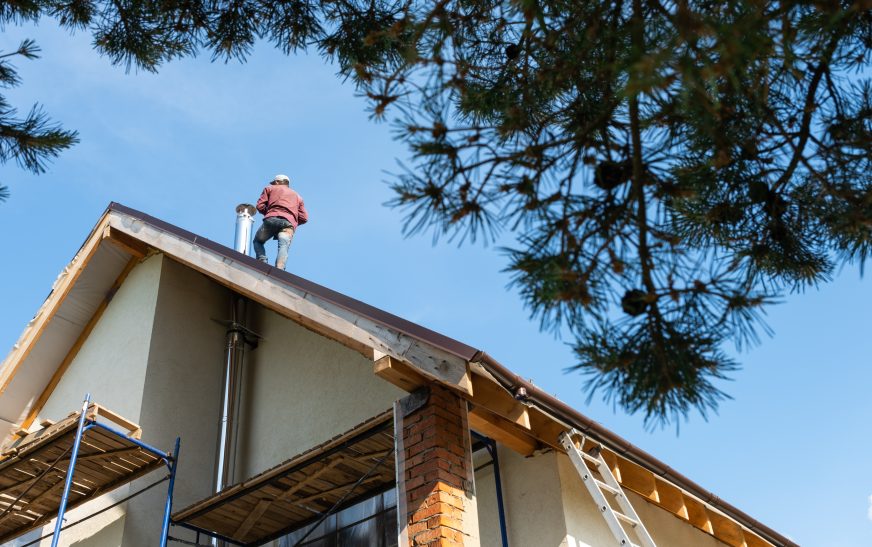
- **Accessibility:** A chimney on a steep, three-story roof in the city requires scaffolding and specialized safety gear, increasing labor costs compared to a single-story ranch in the suburbs.
- **Materials Used:** High-end copper flashing costs more than aluminum but lasts significantly longer.
Common Leak Repairs and Average Costs
While every job requires a custom quote, here are the typical ranges you might encounter in the Chicago market for common leak-stopping repairs:
1. Chimney Cap Installation: $150 – $400
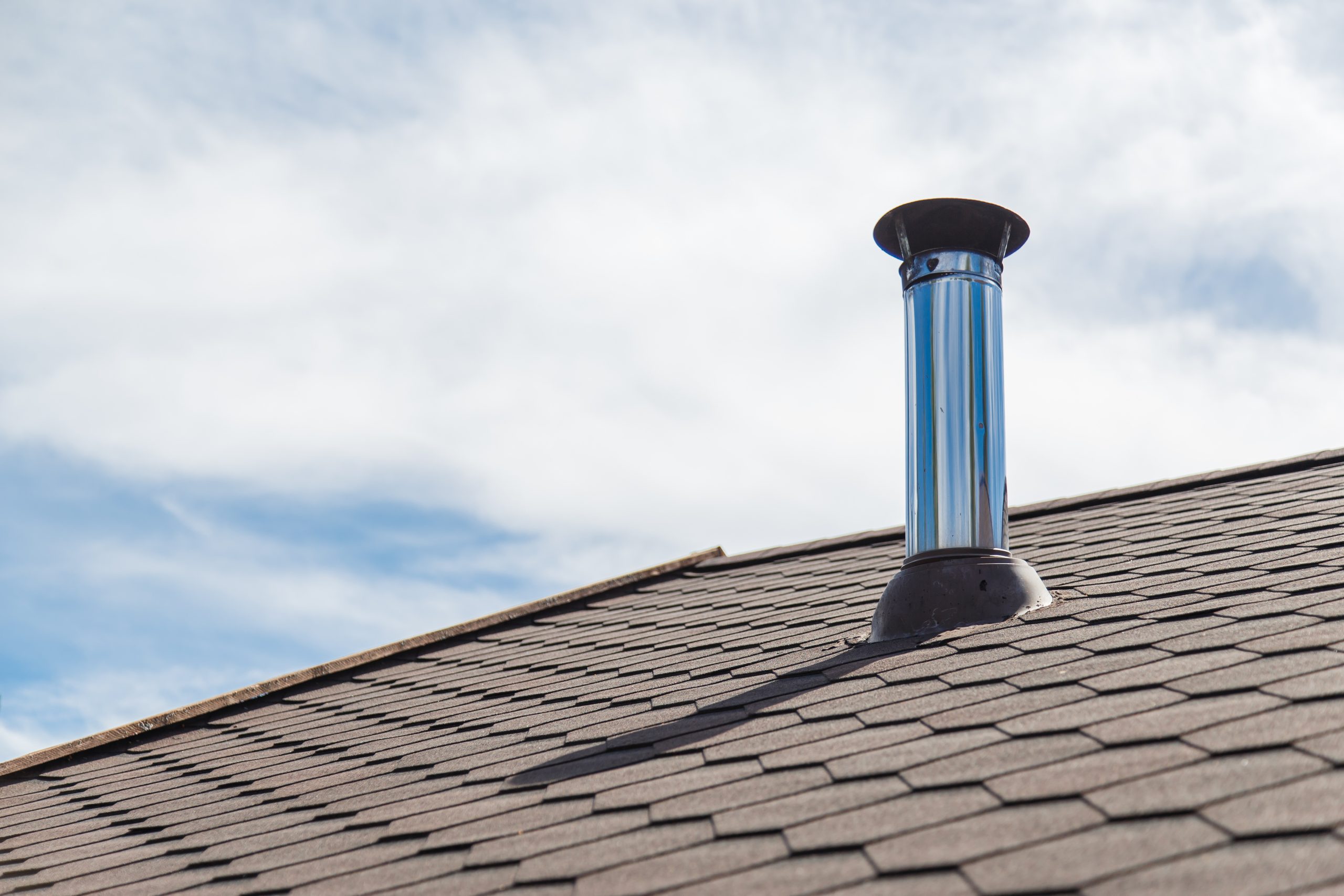
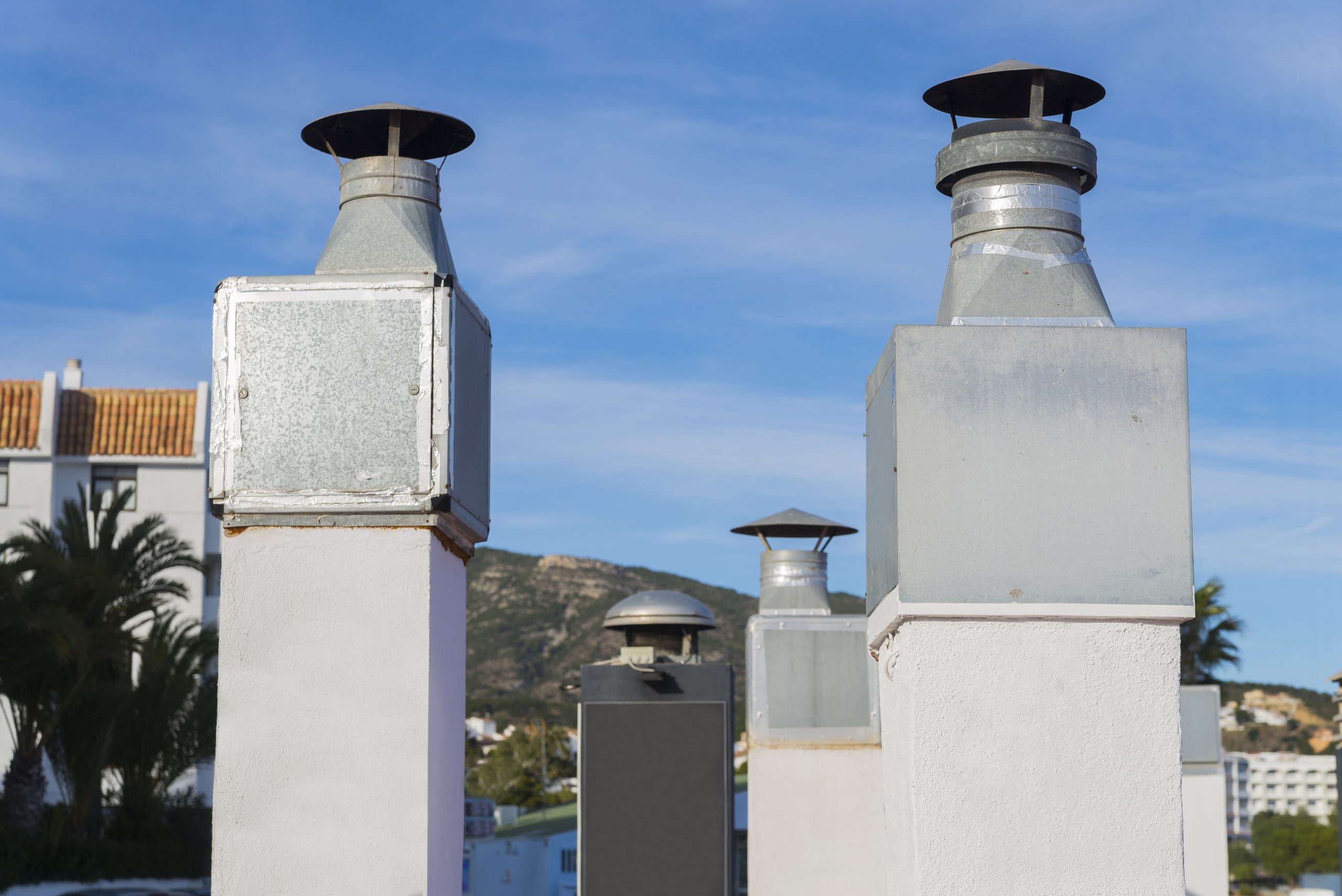
If water is pouring straight down the flue, replacing the cap is the first priority. Stainless steel caps are the standard, while custom-fabricated multi-flue caps or copper variations can cost $500 or more.
2. Chimney Crown Seal/Repair: $300 – $1,000
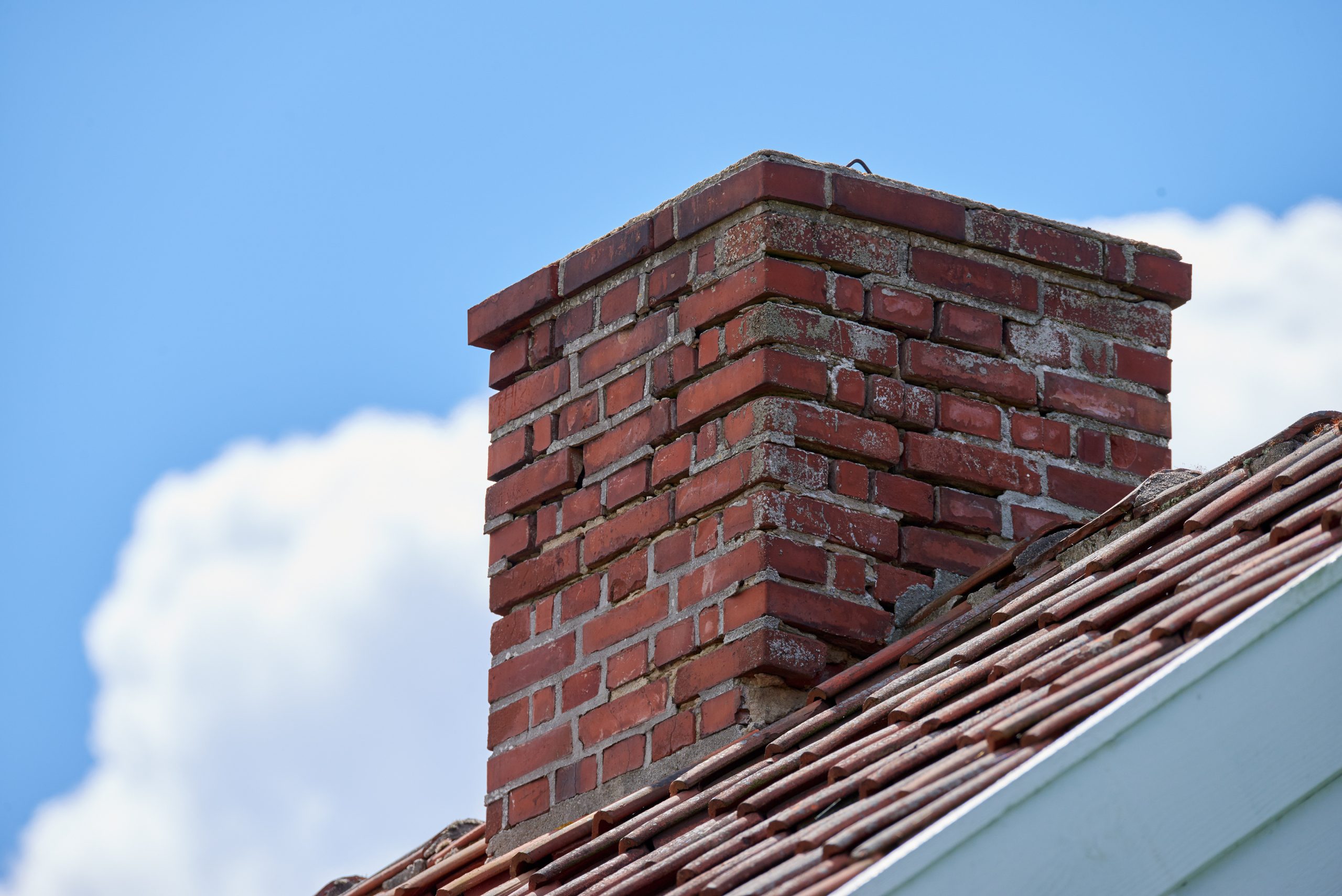
The crown is the cement ‘roof’ of the chimney. Minor hairline cracks can often be treated with an elastomeric sealant (CrownSeal) on the lower end of the cost spectrum. If the crown is completely degraded, it must be demolished and a new concrete crown ‘poured’ or ‘cast,’ which pushes the cost closer to $1,000.
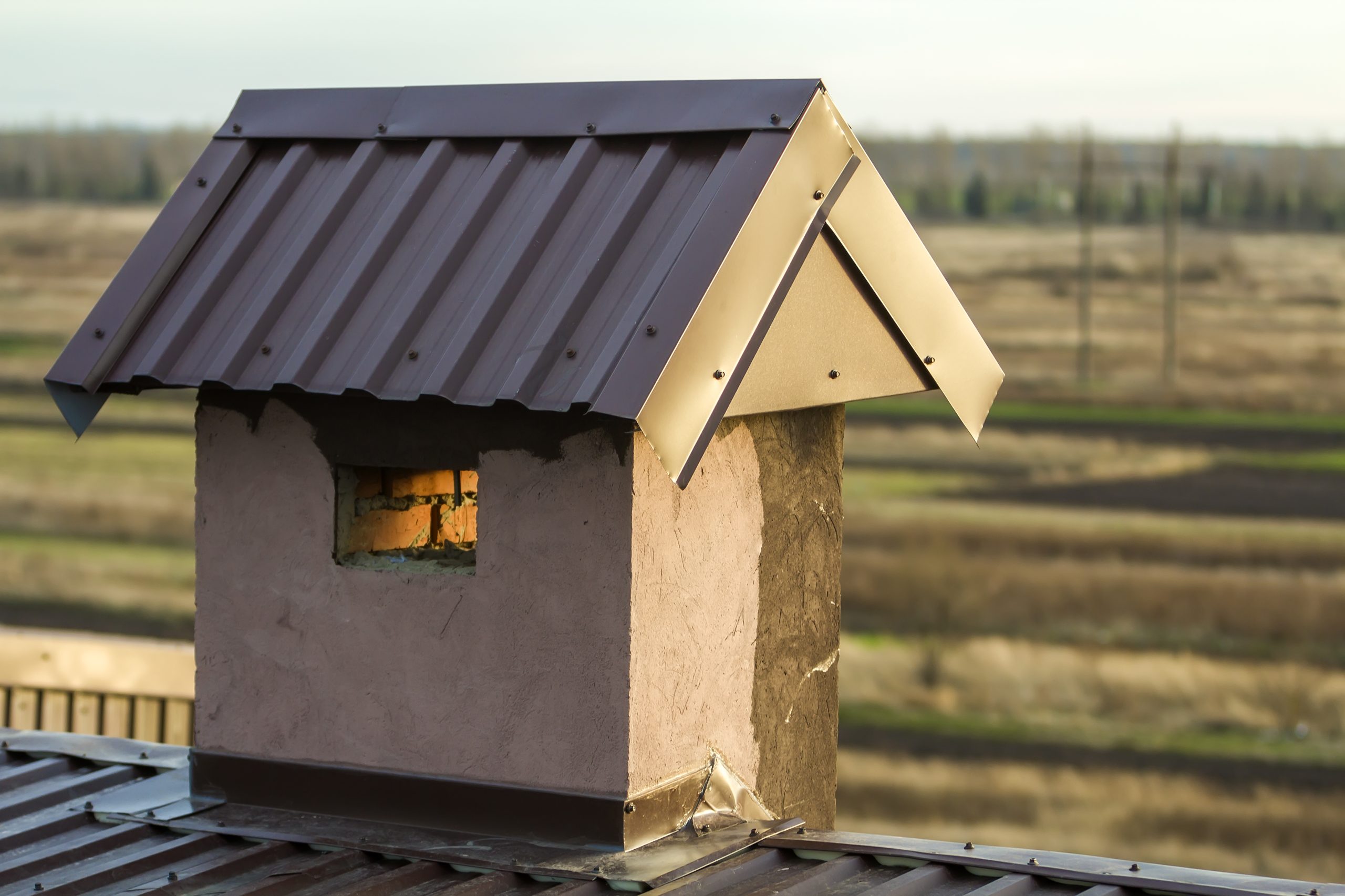
3. Flashing Repair and Replacement: $400 – $800+
Failed flashing is a major culprit for leaks. Re-caulking minor gaps might be inexpensive, but a full replacement involving step flashing and counter-flashing requires coordinating with the roof shingles. If custom copper flashing is required, costs can exceed $1,000.
4. Tuckpointing and Masonry Repair: $500 – $3,000+
If the leak is caused by porous bricks and missing mortar, tuckpointing is necessary. This is highly labor-intensive work. Minor spot-pointing may be a few hundred dollars, but grinding and tuckpointing the entire chimney stack can quickly run into the thousands.
5. Professional Waterproofing Application: $200 – $600
Once repairs are made, applying a vapor-permeable siloxane waterproof sealant protects the investment. The cost depends entirely on the square footage of the exposed masonry.
Conclusion: The Cost of Delay is Always Higher
While a $800 flashing repair might seem steep, it is significantly cheaper than the $5,000+ cost of tearing out waterlogged drywall, replacing rotted roof decking, and dealing mold remediation. At Chicagoland Chimney Cleaners, our goal is to provide honest, transparent quotes that stop the leak permanently. Don’t wait for the damage to spread—if you suspect a leak, call us today for a professional assessment.
Frequently Asked Questions
- Do you provide free estimates for leak repairs? Yes, we provide specific quotes after an initial diagnostic inspection of the leak’s source.
- Is financing available for major chimney repairs? We offer several flexible payment options and can suggest third-party financing for extensive rebuilds.
- Can a roofer fix my chimney leak cheaper? Roofers often apply temporary fixes like tar. A chimney professional ensures the masonry, crown, and flue are all integrated correctly for a permanent fix.
- Will home insurance cover the cost? Generally, insurance only covers sudden damage (like a tree strike). They classify gradual leaks from rain and standard wear as maintenance issues.
- How do I know if I need a new crown or just a sealant? A technician will evaluate the structural integrity. If the crown is physically ‘spalling’ or crumbling away, it must be rebuilt.