
Waterproofing Your Chimney in Chicagoland
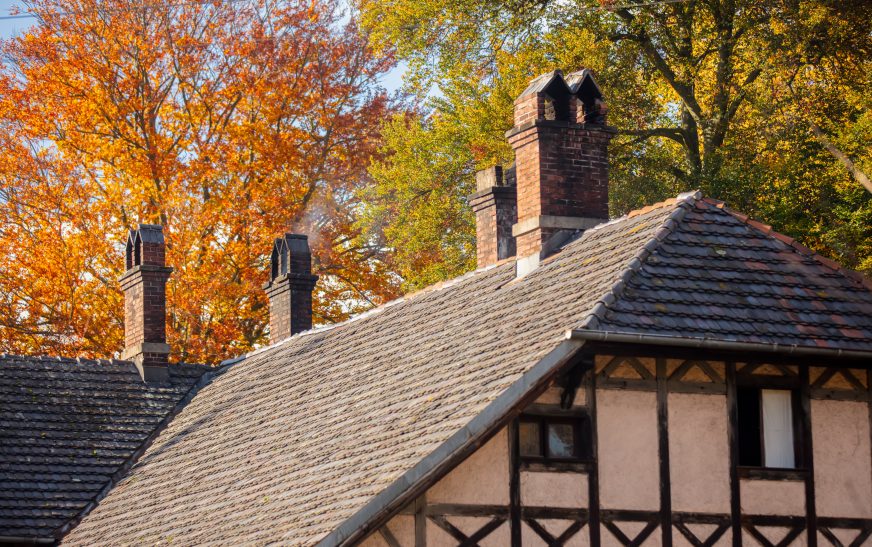
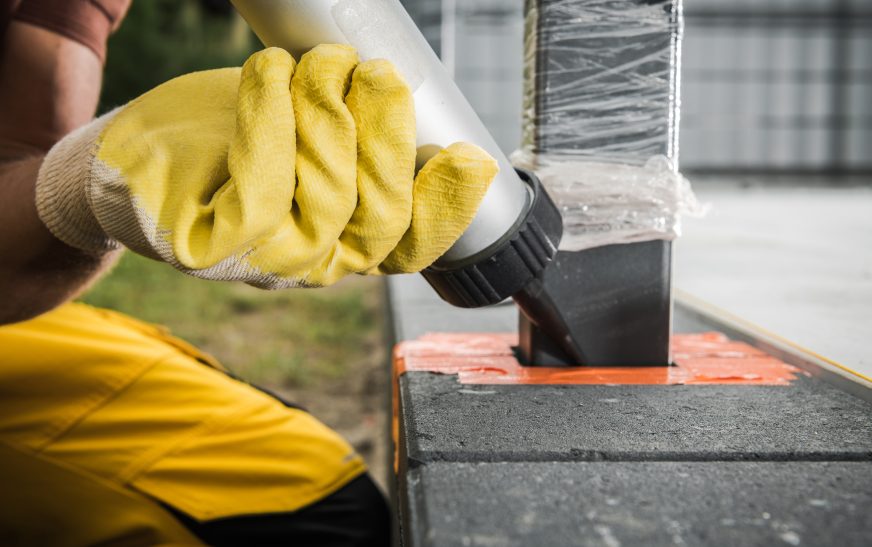
When most people think of ‘waterproofing’ a home, they picture the basement or the foundation. However, one of the most vulnerable points to water damage in any Chicagoland property sits completely exposed to the elements on top of your roof: the chimney. The harsh Midwestern climate, characterized by driving rain, heavy snowfalls, and dramatic temperature swings, is the enemy of brick and mortar. **Waterproofing your chimney** is an essential preventative measure to protect the structural integrity of your home.
The Danger of the ‘Freeze-Thaw’ Cycle
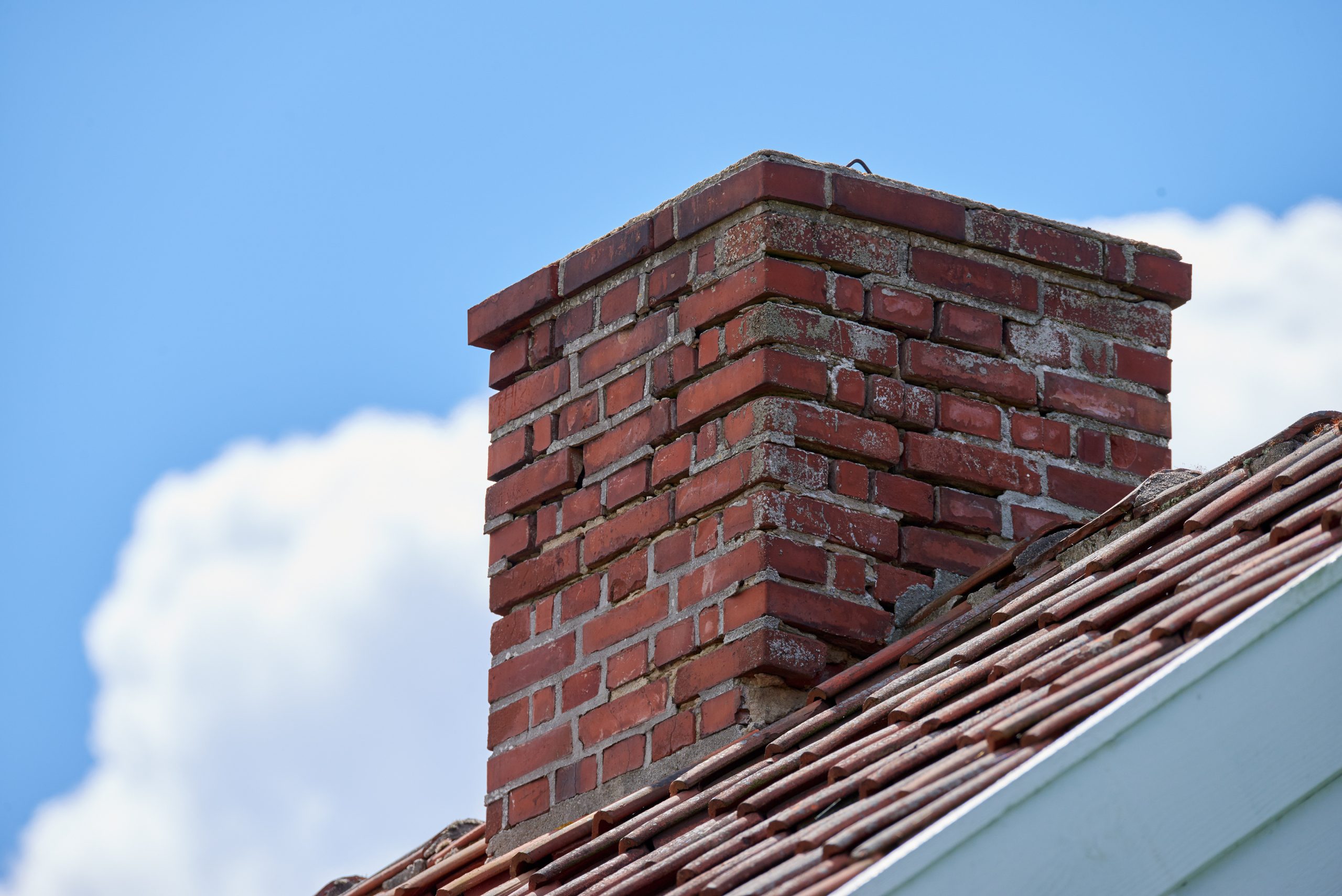
Chicago is famous for its ‘freeze-thaw’ cycles. Because masonry (bricks and mortar) is highly porous, it absorbs water like a sponge. When the temperature drops below freezing, that absorbed water turns to ice. Ice expands by nearly 10% of its volume. This expansion exerts incredible pressure from *inside* the brick, causing the faces to pop off (spalling) and the mortar to turn to sand. By late spring, a chimney that looked fine in November can be structurally compromised.
Why Paint and ‘Sealants’ Fail
A common DIY mistake is attempting to waterproof a chimney with standard exterior paint or cheap silicone sealants. This is actually more destructive than doing nothing at all. Paint and non-breathable sealants trap the moisture *inside* the brick. Since the moisture can no longer evaporate, it is forced inward during the next freeze, accelerating the deterioration of the chimney’s core. Your chimney needs to ‘breathe’ to release the natural moisture it encounters.
The Professional Waterproofing Solution
At Chicagoland Chimney Cleaners, we use only professional-grade, 100% vapor-permeable siloxane and silane sealants. These products work differently than paints:
- **Deep Penetration:** Rather than simply sitting on the surface, these sealants penetrate deep into the pores of the masonry.
- **Water Repulsion:** They chemically bond with the silica in the brick, altering the surface tension so that water beads up and rolls off instead of soaking in.
- **Vapor Permeability:** Crucially, they still allow the masonry to ‘breathe,’ so any internal moisture (or vapor from inside the home) can escape as a gas.
When Should You Waterproof?
Waterproofing cannot be applied over damaged or severely degraded masonry. Therefore, the best time to apply a waterproofing treatment is:
- **After Repairs:** Immediately following a tuckpointing job or the installation of a new chimney crown to protect the fresh work.
- **On Newer Homes:** Applying a treatment to a chimney less than 5 years old preserves the ‘new’ condition of the masonry indefinitely.
- **Late Summer/Early Fall:** The masonry needs to be relatively dry for the sealant to bond properly, making the end of the humid summer season the ideal application window in Chicago.
Conclusion: An Investment in Longevity
Waterproofing is one of the most cost-effective investments you can make in your home’s exterior. It halts the destructive freeze-thaw cycle, prevents the ugly white stains of efflorescence, and extends the life of your chimney by decades. Don’t leave your masonry exposed to the next Chicago winter—contact the experts today to schedule your protective treatment.
Frequently Asked Questions
- How long does the waterproofing treatment last? High-quality professional treatments typically last between 5 and 10 years, depending on the exposure of the chimney.
- Will it change the color of my bricks? Most products we use dry completely clear, leaving the natural look of your historic Chicago common brick untouched.
- Can you waterproof if the chimney is already in bad shape? No. Damaged mortar must be tuckpointed, and spalling bricks must be replaced before the surface can be sealed.
- How long does the application process take? For an average residential chimney, the application takes only a few hours.
- Does it stop existing leaks? Waterproofing prevents water absorption through the masonry. It will not stop leaks caused by failed flashing, a cracked crown, or a missing cap.