
Common Causes of Chimney Leaks in Chicagoland
A leaking chimney is one of the most frustrating challenges a homeowner can face. Water intrusion often presents mysteriously—a damp spot on the ceiling, a musty odor, or a puddle right in the firebox. In the Chicagoland area, our dramatic weather shifts make our homes particularly vulnerable to these issues. Understanding the **common causes of chimney leaks in Chicagoland** is the first step toward effective and lasting repair.
1. A Missing or Damaged Chimney Cap
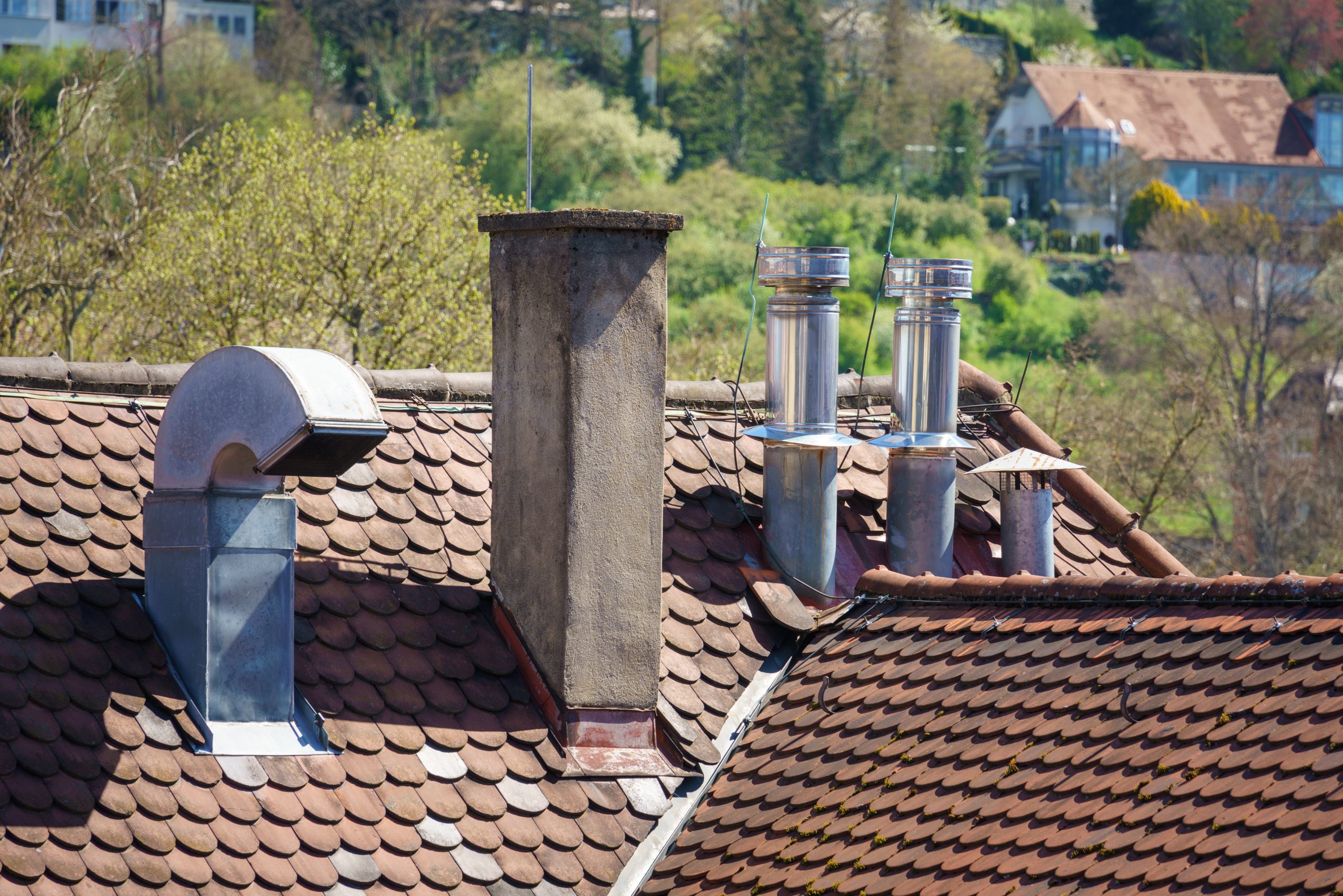
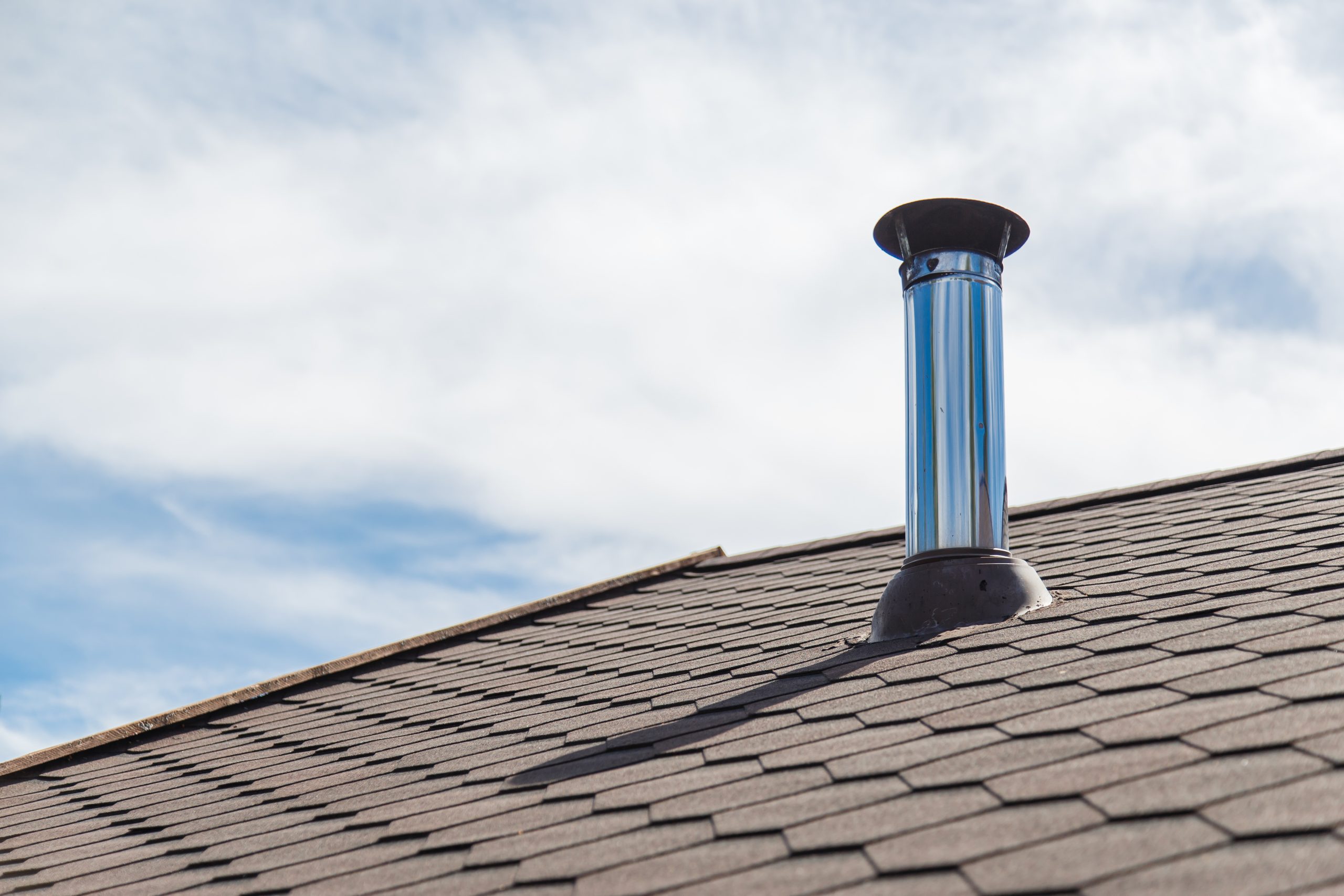
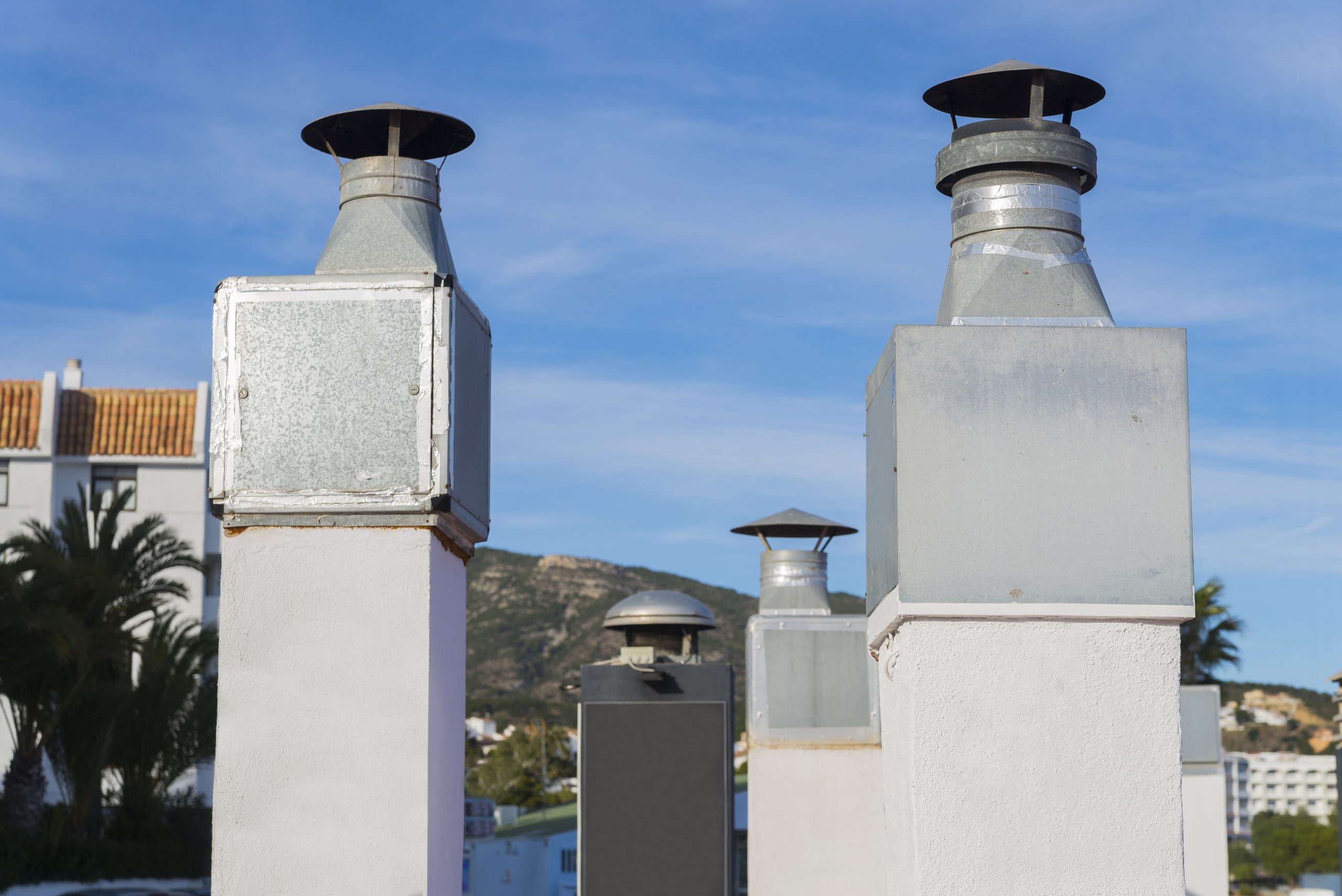
The chimney cap is your home’s umbrella. It sits on top of the flue, allowing smoke to exit while preventing rain, snow, and animals from entering. If the cap is blown off during a severe Chicago windstorm or if it rusts away, water will fall straight down the flue. This is the most common—and fortunately, the easiest to fix—cause of water inside the actual firebox.
2. Cracked or Deteriorating Chimney Crown
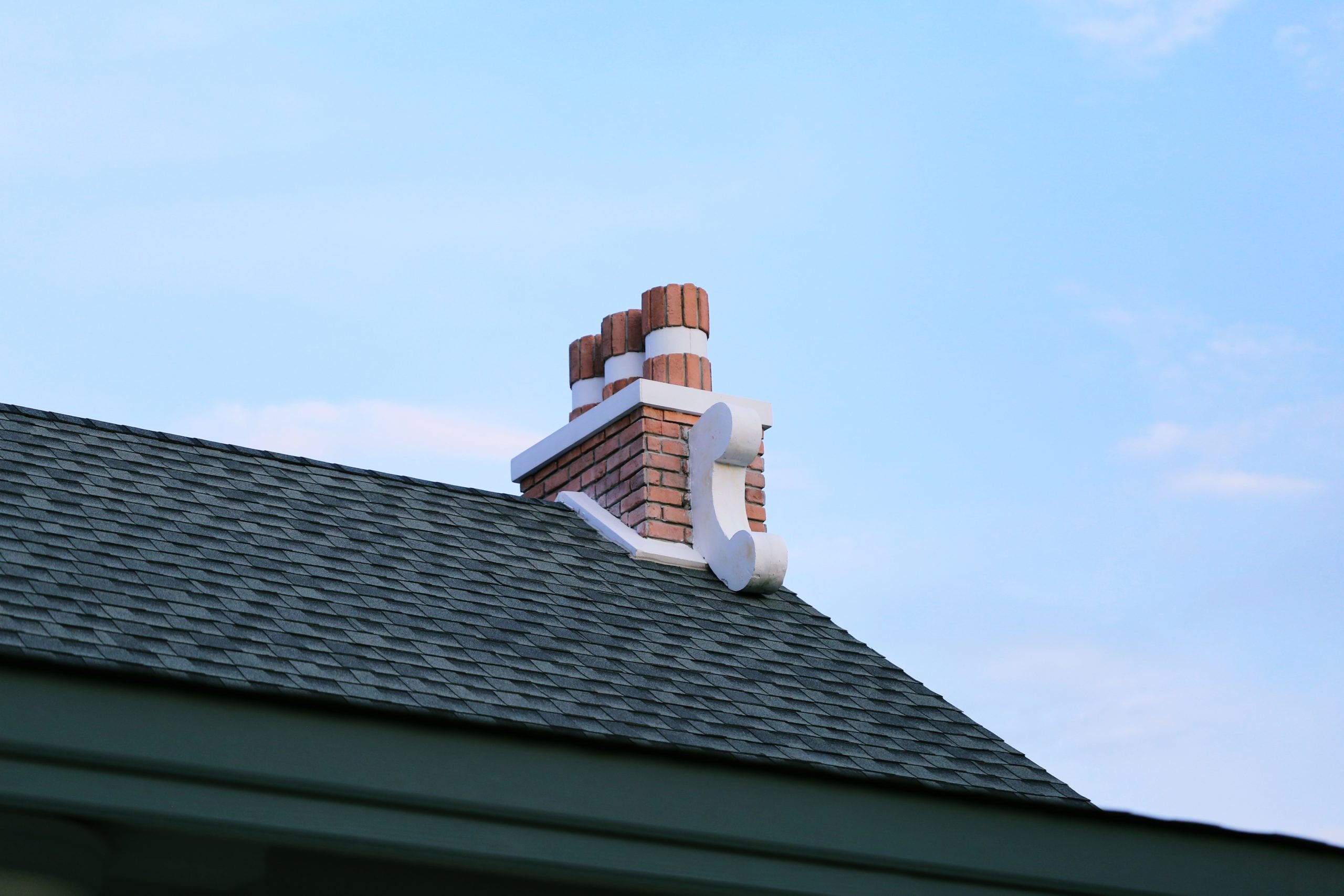
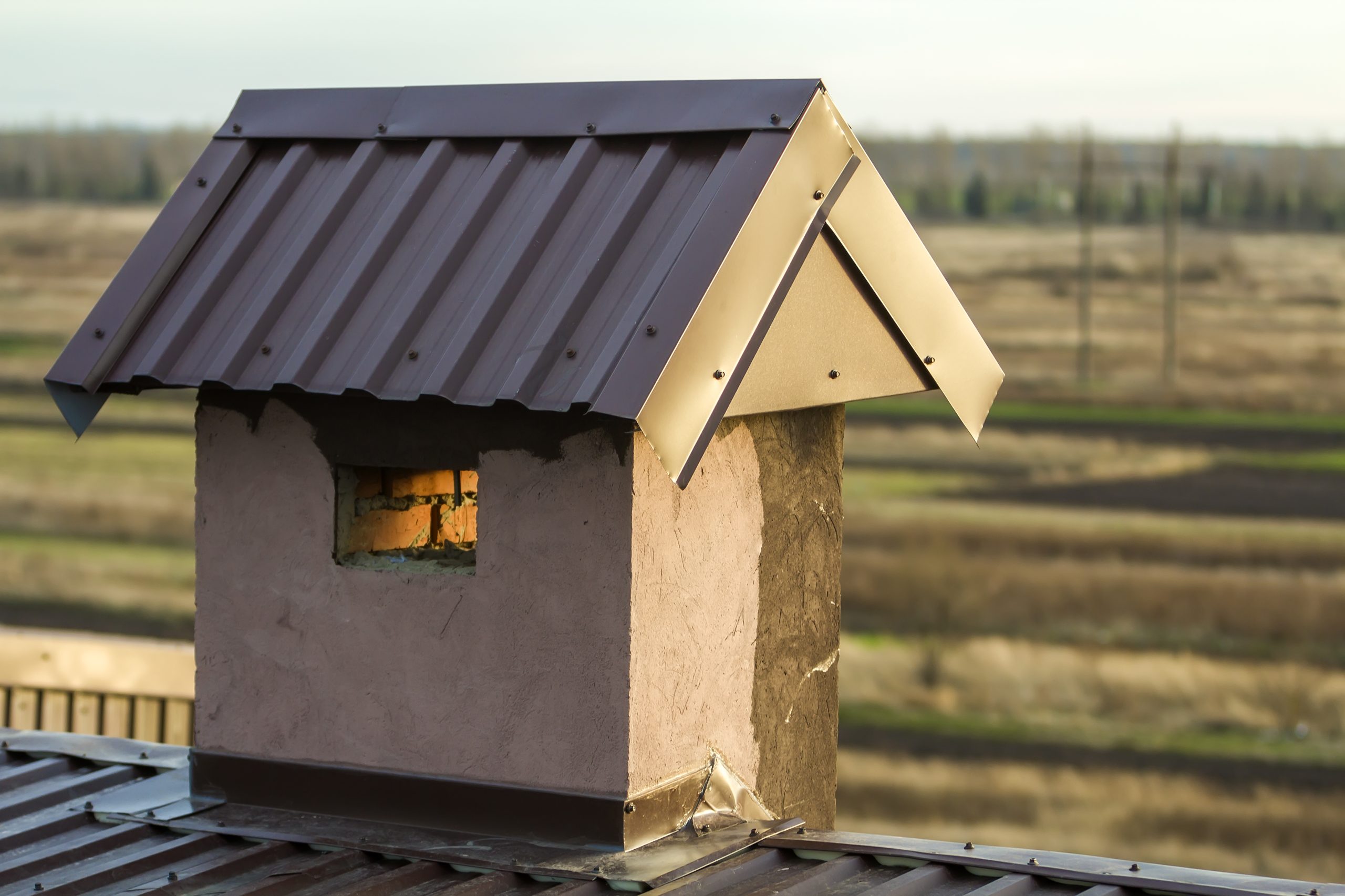
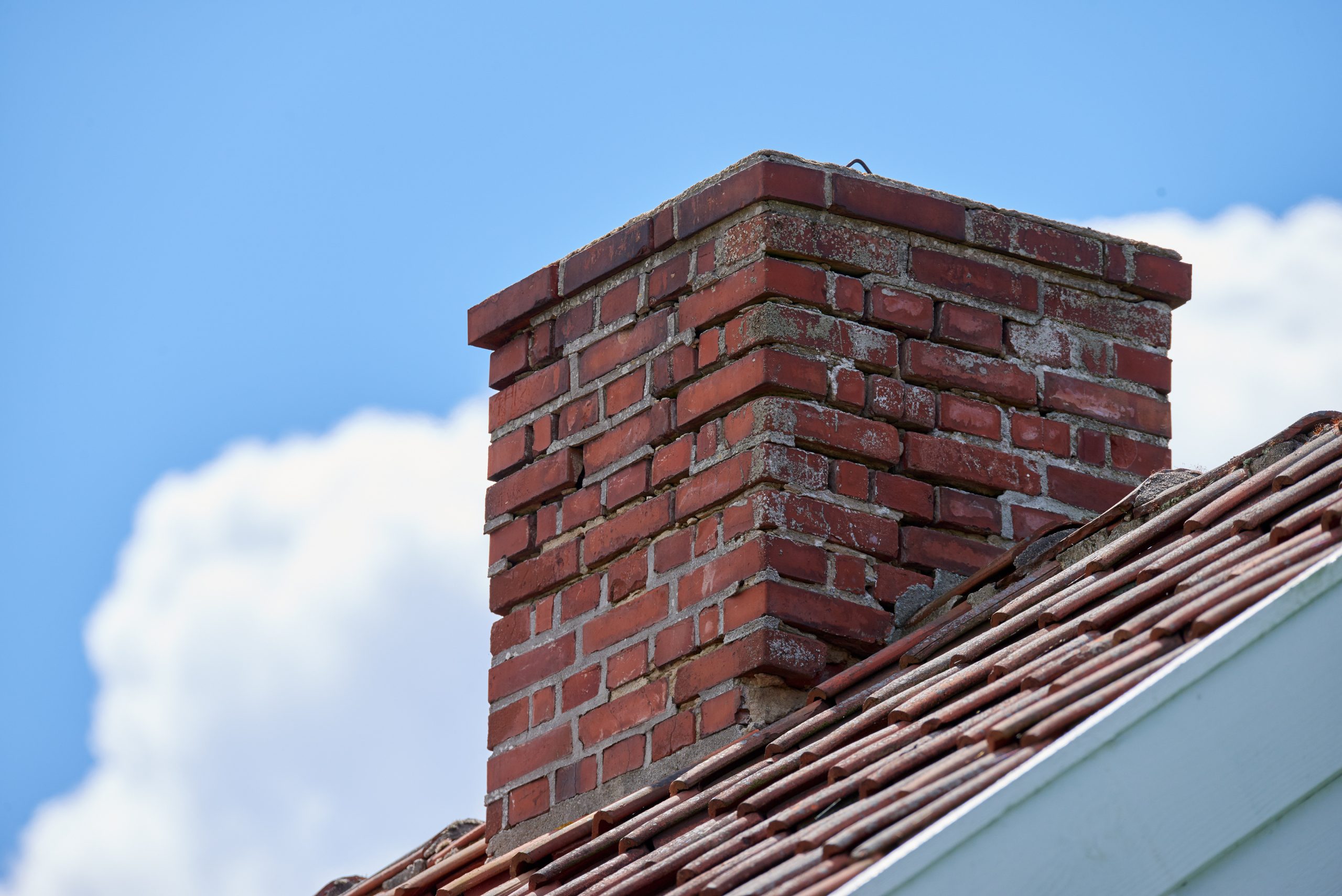
The chimney crown is the large, flat cement or mortar pad that covers the top of the masonry structure, sealing the area around the flue. Over time, ‘freeze-thaw’ cycles in Illinois winters cause the crown to develop hairline cracks. Water enters these cracks, freezes, expands, and breaks the crown apart. This allows water to seep directly into the bricks and mortar below, causing massive structural damage.
3. Failed Roof Flashing
Flashing is the protective sheet metal installed where the chimney intersects with the roof line. Its job is to create a watertight seal at this vulnerable joint. If the flashing is improperly installed, if the caulking deteriorates, or if the metal rusts and fails, water will run down the outside of the chimney and into your attic space or ceilings. This is a very common cause of interior water staining near the chimney breast.
4. Porous Bricks and Eroded Mortar (Spalling)
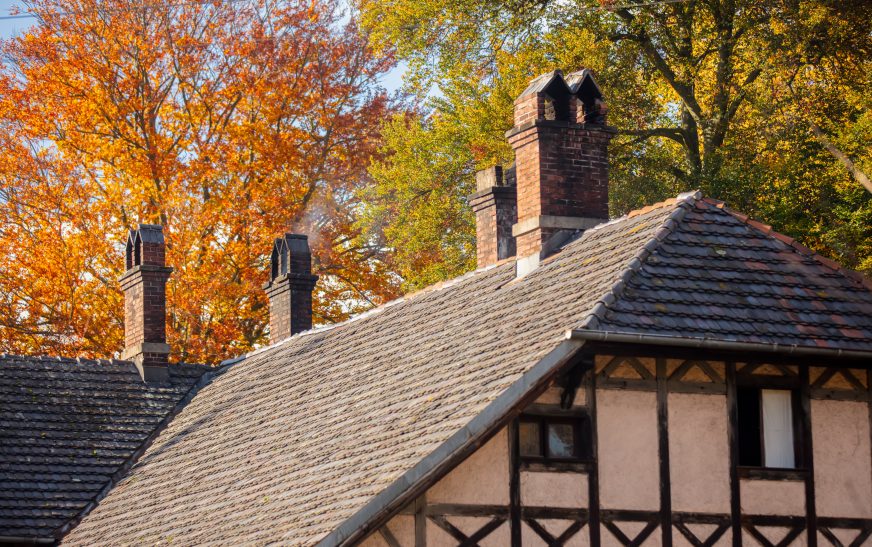
Many classic Chicago homes are built with porous ‘common brick.’ While beautiful, these bricks absorb water like a sponge. When saturated bricks freeze during our bitter winters, the faces of the bricks pop off (spalling), and the mortar joints begin to wash away. This widespread ‘masonry decay’ allows significant amounts of water to enter the home’s structure.
Conclusion: Stop the Water Today
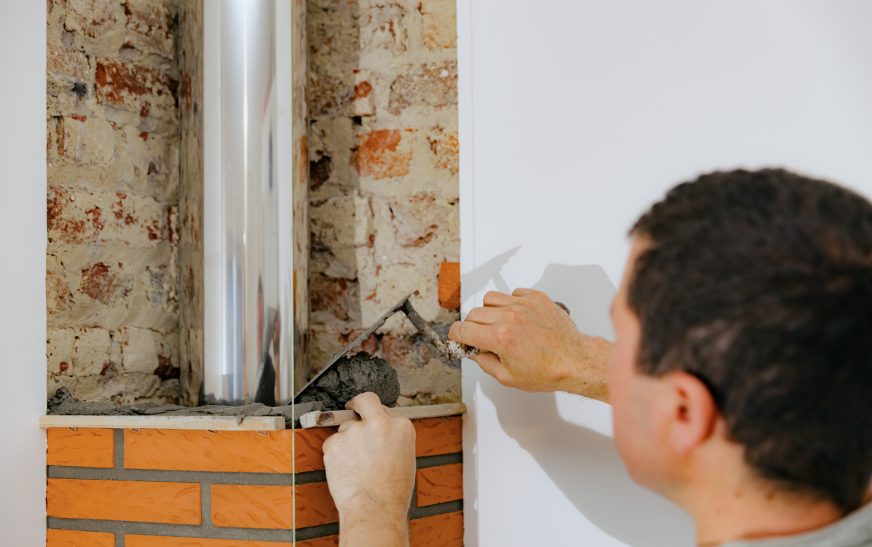
Chimney leaks never resolve themselves; they only get worse and more expensive to repair over time. Identifying the exact source of a leak requires professional diagnostic experience. At Chicagoland Chimney Cleaners, our technicians are trained to identify and repair all forms of water intrusion. Don’t let a small leak Compromise your home—contact us for a comprehensive inspection today.
Frequently Asked Questions
- Can condensation cause a ‘fake’ leak? Yes, high-efficiency appliances vented into older masonry chimneys can cause massive condensation that looks like a leak. A professional inspection handles this distinction.
- Will home insurance cover a chimney leak? Usually only if the leak is caused by a sudden, covered peril (like a tree falling on the flashing). Neglect or ‘wear and tear’ is rarely covered.
- Can I tar around the chimney to stop the leak? No. Roofing tar is a temporary patch that dries out, cracks, and often hides the true source of the leak from professionals.
- Why do I only see the leak in the spring? Spring rains following a winter where ice expanded small cracks often make leaks suddenly apparent.
- Do you provide waterproofing services? Yes! We offer comprehensive, vapor-permeable waterproofing treatments for all chimney masonry.