
The Tools Used by Professional Chimney Sweeps
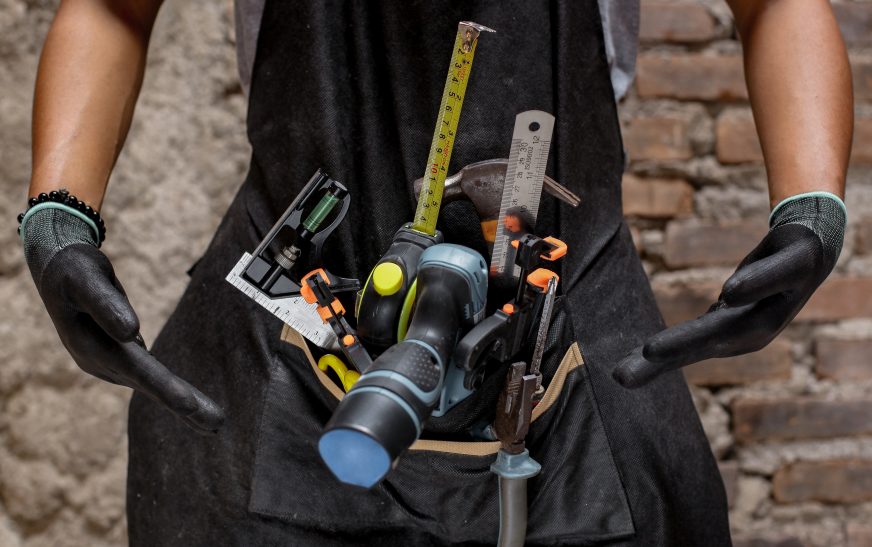
When some homeowners see the quote for an annual chimney sweeping, they look online, see a basic chimney brush selling for $35, and wonder what exactly they are paying for. The misunderstanding stems from an outdated cartoon image of a sweep carrying a single wire brush on a stick. Modern chimney maintenance is highly technical. Understanding **the tools used by professional chimney sweeps** helps Chicagoland homeowners realize exactly the level of safety and cleanliness they are investing in.
1. The Arsenal of Brushes
Professionals don’t use ‘one size fits all’ brushes. Using the wrong brush can destroy a chimney liner.
- **Poly-bristles:** Soft, flexible brushes used specifically for stainless steel liners so they don’t scratch the metal.
- **Flat-wire Brushes:** Harder brushes used to score and remove heavier soot from traditional clay tile liners.
- **Custom Sizing:** A professional truck carries dozens of brush heads to perfectly match the exact millimeter dimensions of your specific oval, round, or rectangular flue.
2. High-Torque Rotary Whips
A hand-pushed brush cannot remove heavy Stage 2 creosote or clean the irregular, jagged brickwork inside the smoke chamber. For this, professionals use rotary systems. These are heavy-duty, drill-powered flexible rods tipped with hardened polymer chains or cables. Spinning at high speeds, these ‘whips’ aggressively knock thick tar off the masonry walls without damaging the underlying brick.
3. Industrial Negative-Pressure HEPA Vacuums
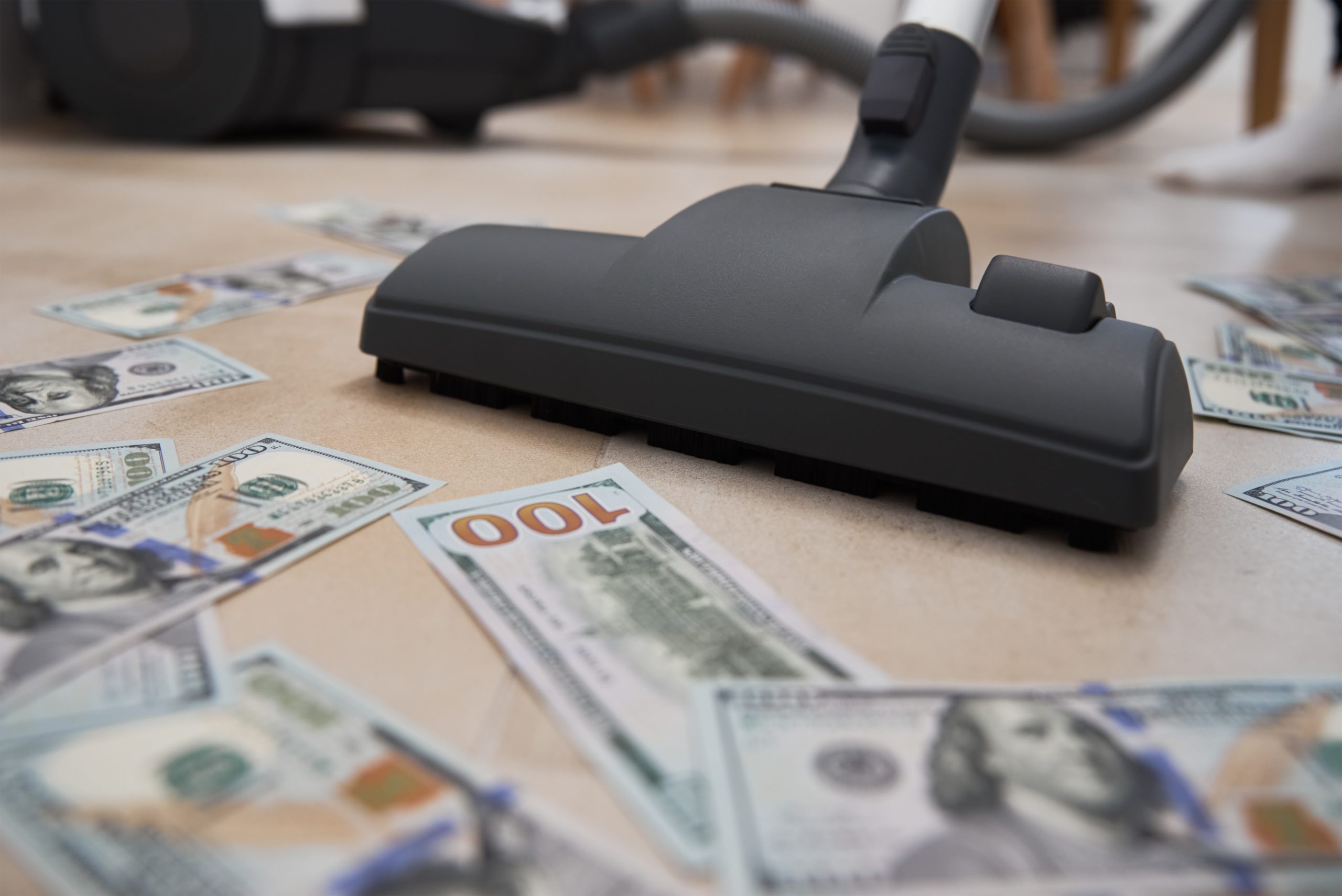
This is perhaps the most critical (and expensive) tool in a sweep’s arsenal. A standard shop-vac will blow microscopic, toxic soot directly through its filter and into your living room. Professional sweeps utilize massive, multi-stage HEPA vacuums. These machines hook directly to the fireplace opening or cleaning equipment, creating a ‘negative pressure’ environment. This ensures that every speck of dust is instantly sucked outside to the truck, rather than settling on your Chicago home’s carpeting.
4. Closed-Circuit Chim-Scan Cameras
You cannot clean what you cannot see, and you cannot deem a chimney ‘safe’ by looking up it with a flashlight. For Level 2 inspections, professionals use high-definition, 360-degree articulating camera systems fed on flexible rods up the flue. These cameras record video to a monitor on the hearth, allowing the sweep (and the homeowner) to see microscopic cracks in the clay tiles, hidden water damage, or dangerous gaps in the mortar joints.
Conclusion: You Pay for the Technology
A professional sweep’s van contains tens of thousands of dollars in specialized diagnostic and cleaning equipment. When you hire an uncertified amateur charging $50, you are getting a $30 brush and a shop-vac. When you hire the certified experts at Chicagoland Chimney Cleaners, you are getting the full power of modern chimney technology deployed to ensure your home is flawlessly clean and absolutely safe.
Frequently Asked Questions
- Do you clean from the roof or the bottom? Modern rotary systems and vacuums allow us to do the vast majority of the aggressive sweeping from the hearth (bottom up), which is safer and vastly cleaner. We only go onto the roof to inspect the crown, cap, and exterior masonry.
- Will those spinning chains break my old chimney? No. CSIA certified sweeps are trained extensively on how to select the right ‘whip’ material—using aggressive steel chains for concrete flues and softer polymer whips for older, fragile clay tiles to ensure zero damage.
- Do you use chemicals during a sweep? A standard sweep relies purely on mechanical friction. However, if our camera reveals ‘Stage 3’ glazed creosote, we utilize professional-grade chemical catalysts (like Poultice Creosote Remover) that dissolve the rock-hard tar over several days.
- Can a homeowner buy these HEPA vacuums? They can, but chimney-specific HEPA vacuums cost between $1,500 and $3,000, making them highly impractical for a homeowner to purchase for an annual chore.
- How loud is the equipment? The industrial vacuums run at a fairly high decibel level while operating, similar to a loud commercial carpet cleaner, but they are only run sequentially during the active brushing phase.