
DIY vs Professional Chimney Cleaning: Which is Better?
In the age of online tutorials, many Chicagoland homeowners are taking on increasingly complex home maintenance projects. Fixing a leaky sink or painting a room are great weekend projects. But when it comes to the highly specialized, fire-safety-centric task of chimney maintenance, the debate of **DIY vs. professional chimney cleaning** becomes critical. Which method is truly better for your home? Let’s break down the advantages and realistic capabilities of both approaches.
The Appeal and Reality of DIY Cleaning
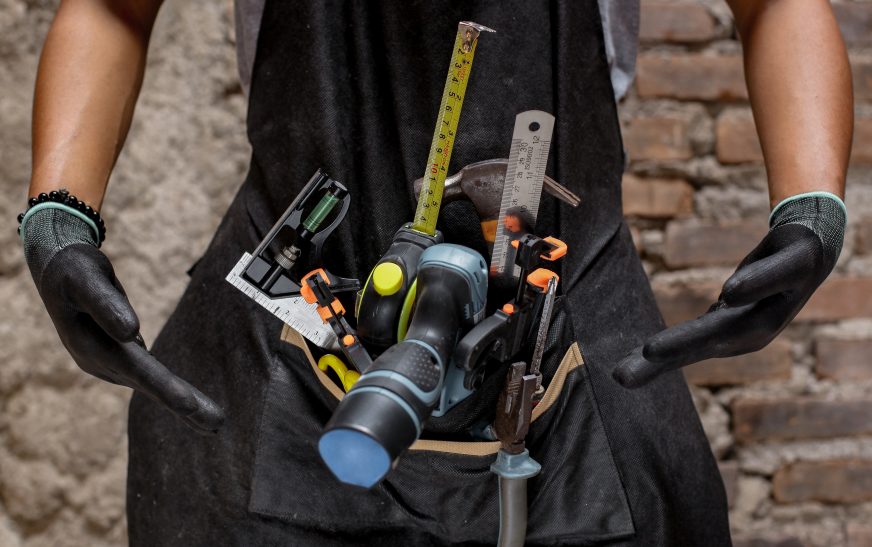
The primary appeal of DIY chimney cleaning is, undoubtedly, the upfront cost savings. You don’t have to pay a contractor’s labor fee. You simply buy a poly-bristle brush, a set of fiberglass extension rods, and maybe a specialty ‘chimney sweeping log’ at the local hardware store.
However, the reality of DIY cleaning is severely limited:
- **It is Only a ‘Light Dusting’:** A homeowner with a hand-pushed brush can remove fluffy soot (Stage 1 creosote) from a straight flue. They absolutely cannot remove the sticky, tar-like substance (Stage 2) or the rock-hard glaze (Stage 3) that actually causes horrific chimney fires.
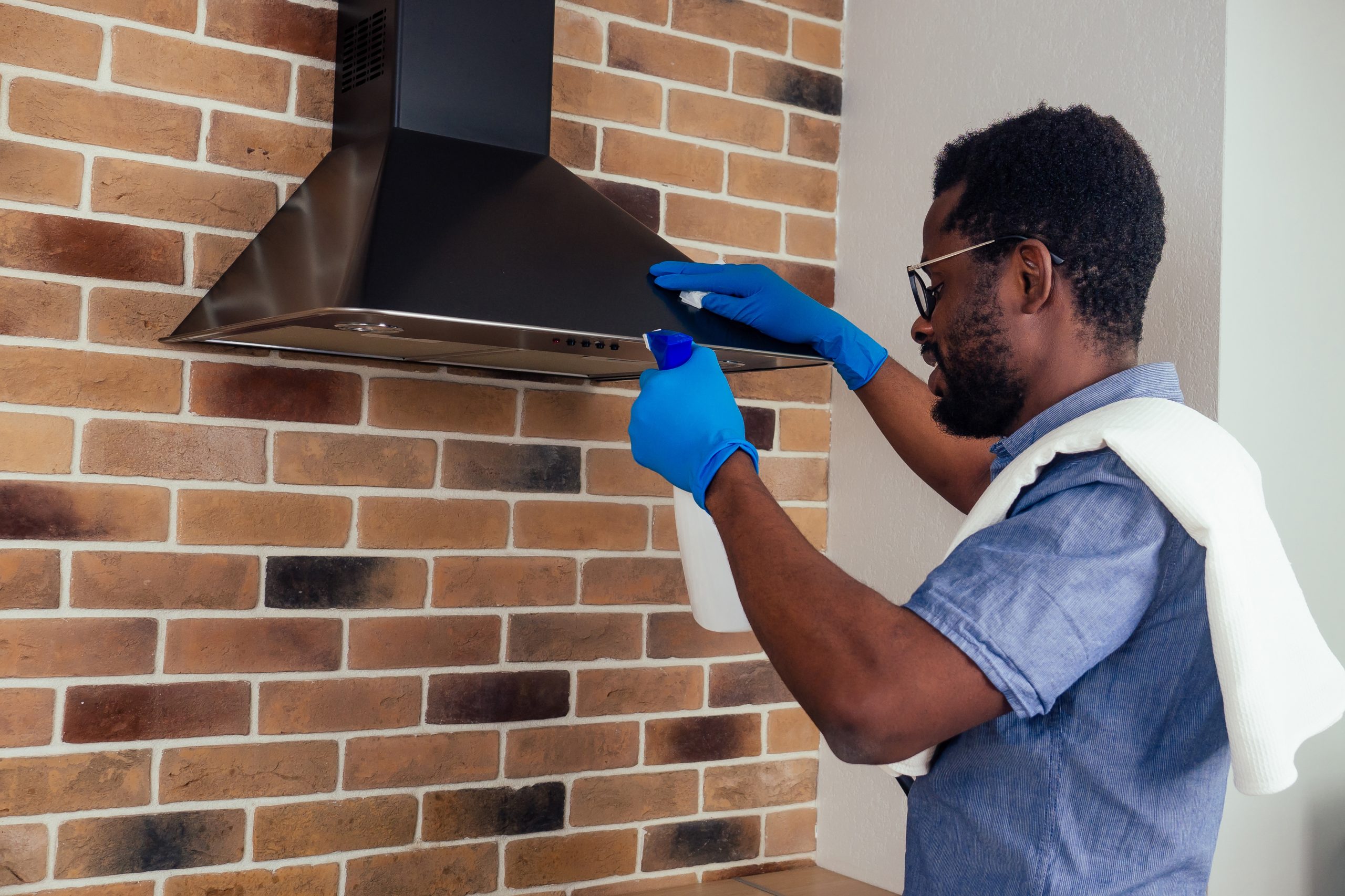
- **The Mess Factor:** Professional sweeps use thousands of dollars of negative-pressure HEPA vacuums. A homeowner using a standard Shop-Vac will end up blowing microscopic, highly acidic, black soot all over their white living room furniture.
- **Zero Diagnostic Value:** A homeowner pushing a brush blind up a dark flue cannot see the hairline cracks in the clay liner or the failing mortar joints that a professional finds with a camera.
The Value of Professional Cleaning
Hiring a certified professional involves an annual fee (typically $200-$300), but the value provided goes exponentially beyond simply running a brush up the chimney.
- **Guaranteed Creosote Removal:** Professionals use high-speed rotary tools (drill-powered whips) that aggressively tear heavy, dangerous creosote off the walls without damaging the masonry. If glaze is present, they possess the professional-grade chemical catalysts required to dissolve it.
- **Comprehensive Safety Inspections:** A true professional sweep inherently includes an inspection. They check the roof flashing, the structural integrity of the crown, the clearances to combustibles, and the operating function of the damper. They are trained to spot the signs of freeze-thaw damage early, saving you thousands in rebuilding costs.
- **Peace of Mind and Liability:** If a DIY sweep misses a spot and a chimney fire occurs, the homeowner’s insurance may balk at paying out. When a certified professional cleans your chimney, you have a documented record of maintenance by a licensed expert, ensuring your insurance coverage remains intact.
Conclusion: Which is Better?
For the basic task of scooping cold ashes out of the firebox, DIY is perfectly fine. But for the actual task of *making the chimney safe to burn*, professional cleaning is unequivocally better, safer, and ultimately more cost-effective. Relying on DIY sweeping creates a false sense of security that leaves the heaviest, most dangerous creosote untouched. Protect your Chicagoland home correctly by scheduling your sweep with the certified experts at Chicagoland Chimney Cleaners.
Frequently Asked Questions
- If I use a ‘creosote sweeping log,’ do I still need a pro? Yes. Those logs contain chemicals that dry out creosote, making it flaky. But the log doesn’t remove the mass from the chimney. You still need a mechanical sweep to extract the hazardous material.
- Can I clean it from the bottom up? Professionals often clean from the bottom up using flexible rotary wands to avoid dangerous roof work, but doing this without a specialized HEPA vacuum guarantees a massive soot cloud in your home.
- What if I just buy the professional rotary tools myself? It’s possible, but the tools cost as much as 2-3 years of professional cleanings. More importantly, using high-torque rotary tools without training can literally destroy a fragile clay liner, costing you $5,000 to fix.
- How do I know if I have Stage 3 glazed creosote? It often looks like shiny, black, melted hard candy stuck to the flue walls. A professional identifies this instantly during a standard camera inspection.
- Does a pro sweep invalidate my homeowner’s insurance? No, it does the opposite. Documented professional maintenance is the best way to ensure your insurance covers you in the rare event of a fire.