
Benefits of Regular Fireplace Cleaning
In the hustle of modern life, home maintenance tasks are often pushed aside until an acute problem arises. However, treating your chimney like an appliance that only needs attention when it’s ‘broken’ is a dangerous strategy. For residents in the Chicagoland area, where fireplaces see heavy seasonal use, proactive maintenance is vital. The **benefits of regular fireplace cleaning** extend far beyond simple aesthetics; they are fundamental to the safety and comfort of your home.
1. Fire Prevention (The Primary Benefit)
The number one reason to clean your fireplace and chimney is fire prevention. Burning wood produces creosote, a highly flammable tar that coats the interior of the flue. As this layer builds up, the risk of a catastrophic chimney fire increases exponentially. An annual sweeping by a certified professional mechanically removes this fuel source, neutralizing the primary hazard associated with wood-burning appliances.
2. Protection from Carbon Monoxide
A chimney’s main job is to act as an exhaust pipe, pulling dangerous gases (like carbon monoxide) out of your living space and venting them outside. If the flue is blocked by thick creosote buildup, a bird’s nest, or fallen debris, those invisible, odorless, and lethal gases will back up into your home. Regular cleaning ensures the exhaust pathway remains completely unobstructed, protecting your family’s health.
3. Improved Indoor Air Quality
Even if the flue isn’t completely blocked, a dirty fireplace negatively impacts indoor air quality. If the firebox is full of acidic ash and the smoke chamber is coated in creosote, those deposits off-gas directly into your living room. During the humid Chicago summers, this manifests as a strong, stale ‘campfire’ or musty basement smell. Deep cleaning the firebox removes the source of these odors, keeping your house smelling fresh year-round.
4. Increased Heating Efficiency
A thick layer of creosote doesn’t just burn easily; it also acts as an insulator. When the flue tiles are coated in soot, it takes longer for the chimney draft to heat up and start pulling air efficiently. Furthermore, restricted airflow means fires burn cooler and burn through your expensive firewood faster, without radiating as much heat into the room. A clean chimney drafts better, meaning your fires will start easier and burn hotter.
5. Early Detection of Structural Damage
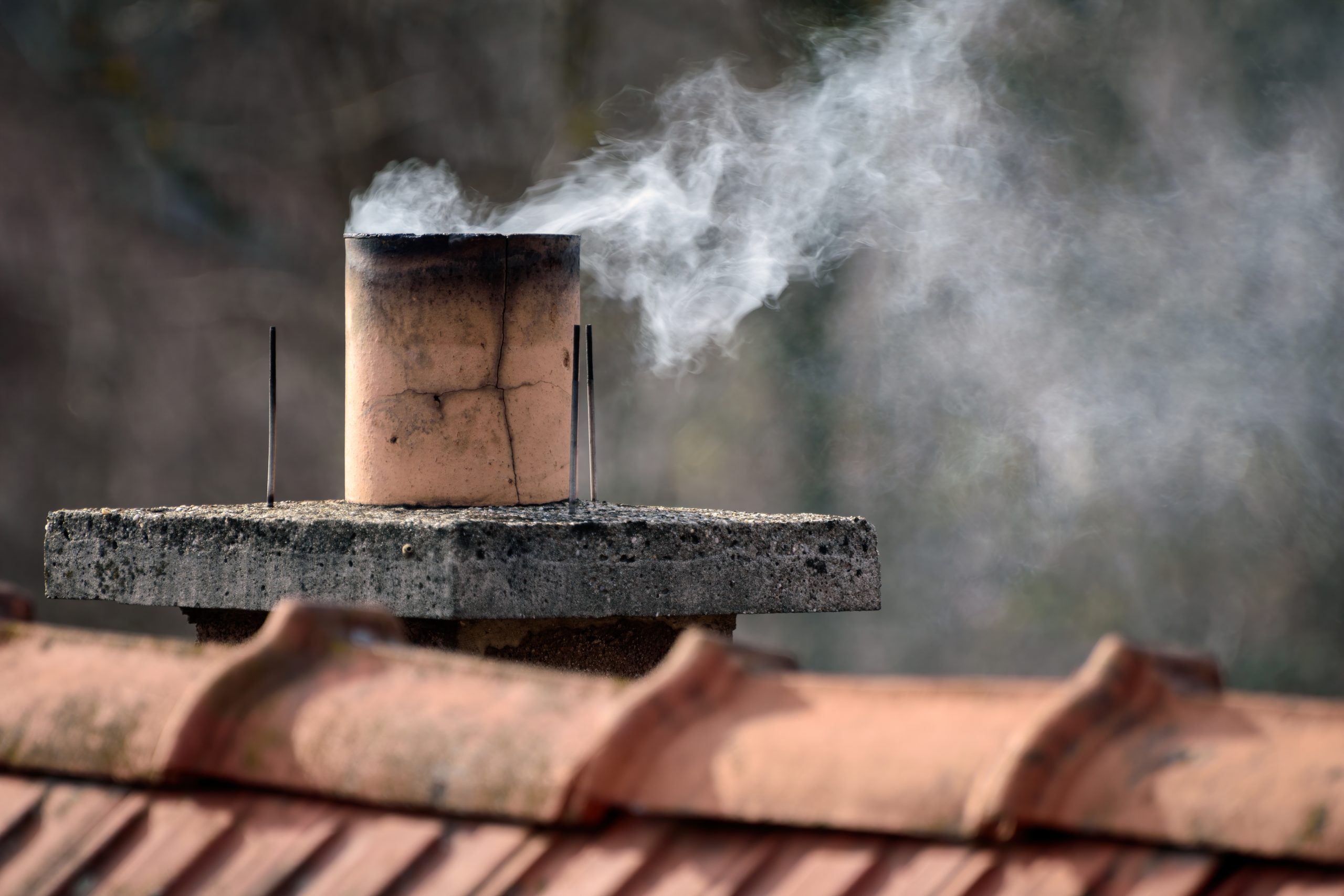
When a professional sweeps your chimney, they aren’t just brushing the walls; they are performing a visual inspection. A clean flue allows the technician to spot the early stages of freeze-thaw damage, hairline cracks in the clay tiles, or missing mortar joints. Catching these issues early saves you thousands of dollars compared to discovering the damage after a major structural failure occurs.
Conclusion: An Investment You Can Trust
An annual fireplace cleaning is less an ‘expense’ and more of an insurance policy. For a nominal fee, you guarantee that the centerpiece of your living room remains a source of joy rather than a hidden danger. At Chicagoland Chimney Cleaners, we provide thorough, mess-free services that deliver all these benefits and more. Schedule your cleaning today and enjoy your hearth with total peace of mind.
Frequently Asked Questions
- How often is ‘regular’ cleaning? The National Fire Protection Association (NFPA) recommends an annual inspection, with sweeping performed as necessary (typically once a year for households that use their fireplace regularly).
- Do gas fireplaces need regular cleaning? Yes! While they don’t produce creosote, the burners, valves, and faux logs must be cleaned of soot, and the flue must be checked for blockages and drafting efficiency.
- Will fixing the draft stop smoke from entering the room? Yes. A clean, unobstructed chimney pulls a stronger draft, ensuring smoke travels up and out, rather than spilling over the mantel.
- Can a cleaning remove a severe smoke smell? Yes. The characteristic ‘smoky’ smell is usually caused by Stage 2 or 3 creosote lingering in the smoke chamber, which is removed during a deep clean.
- Does sweeping a chimney damage the liner? No. Professionals use specialized, flexible, poly-bristle brushes that aggressively remove creosote without scratching or damaging the underlying clay or metal liner.