
Signs Your Home Needs Chimney Cleaning in Chicagoland
Every homeowner in the Chicagoland area knows the feeling: the first crisp evening of September arrives, and your thoughts immediately drift toward that first cozy fire of the season. But before you strike that match, have you considered what’s lurking inside your flue? Chimneys are ‘out of sight, out of mind’ for many, but they are one of the most critical safety systems in your home. Recognizing the **signs that your home needs chimney cleaning** is essential for preventing structural damage, house fires, and the silent threat of carbon monoxide poisoning.
The Silent Warning: Understanding Creosote
The most common reason for a chimney cleaning is the accumulation of creosote. This substance is a byproduct of incomplete combustion and comes in three ‘stages.’ Stage one is a flaky soot; stage two is a bubbly, tar-like substance; and stage three is a hard, glossy glazing. In Chicagoland’s older homes, especially the historic masonry fireplaces found in neighborhoods like Riverside or Oak Park, stage three creosote is a significant risk. If you see a thick, dark coating when you look up into your fireplace, you are looking at a serious fire hazard.
1. The Tell-Tale Smell
One of the most immediate signs of a dirty chimney is the odor. If your fireplace smells like a campfire even when it’s not lit, or if there is a musty, ‘old gym’ smell coming from the hearth during the humid Chicago summer, it’s time for a professional cleaning. This smell is caused by the soot and creosote absorbing moisture. This isn’t just an olfactory nuisance; those acidic deposits are actively eating away at your chimney liner and mortar joints.
2. Poor Draft and Lingering Smoke
When you start a fire, the smoke should immediately be drawn up the flue. If you find yourself opening windows because the living room is filling with smoke, or if the fire is difficult to start and keep going, your chimney is ‘choking.’ This can be caused by:
- **Excessive Soot Buildup:** Every fraction of an inch of soot restricts the airflow, making the chimney less efficient.
- **Obstructions:** In the Chicagoland area, it’s common for birds, squirrels, or even raccoons to build nests in un-capped chimneys.
- **Fallen Debris:** Mortar from the chimney crown or bricks from a deteriorating liner can fall and create a partial blockage.
3. Visible Soot and Debris in the Firebox
If you notice black flakes falling into the fireplace or if the walls of your firebox are covered in a thick layer of soot, the rest of the chimney is likely in worse shape. Think of the firebox as the ‘exhaust pipe’ of your fireplace—if it’s filthy, the main venting system is certainly overdue for attention.
4. Sooty Damper Appearance
The damper is the metal plate that opens and closes the connection between the firebox and the flue. If the damper is covered in black, crusty gunk, it may not close properly, leading to heat loss in the winter and cold drafts. More importantly, it may not open fully, creating a dangerous backup of gases.
5. Animals and Pests
If you hear scratching, chirping, or rustling sounds coming from behind the damper, you have guests. Nests are not only a fire hazard themselves but can completely block the passage of carbon monoxide, forcing it back into your home. A professional cleaning will remove the debris and, more importantly, a technician can recommend a **chimney cap** to prevent future entry.
Local Chicagoland Insight: The Weather Factor
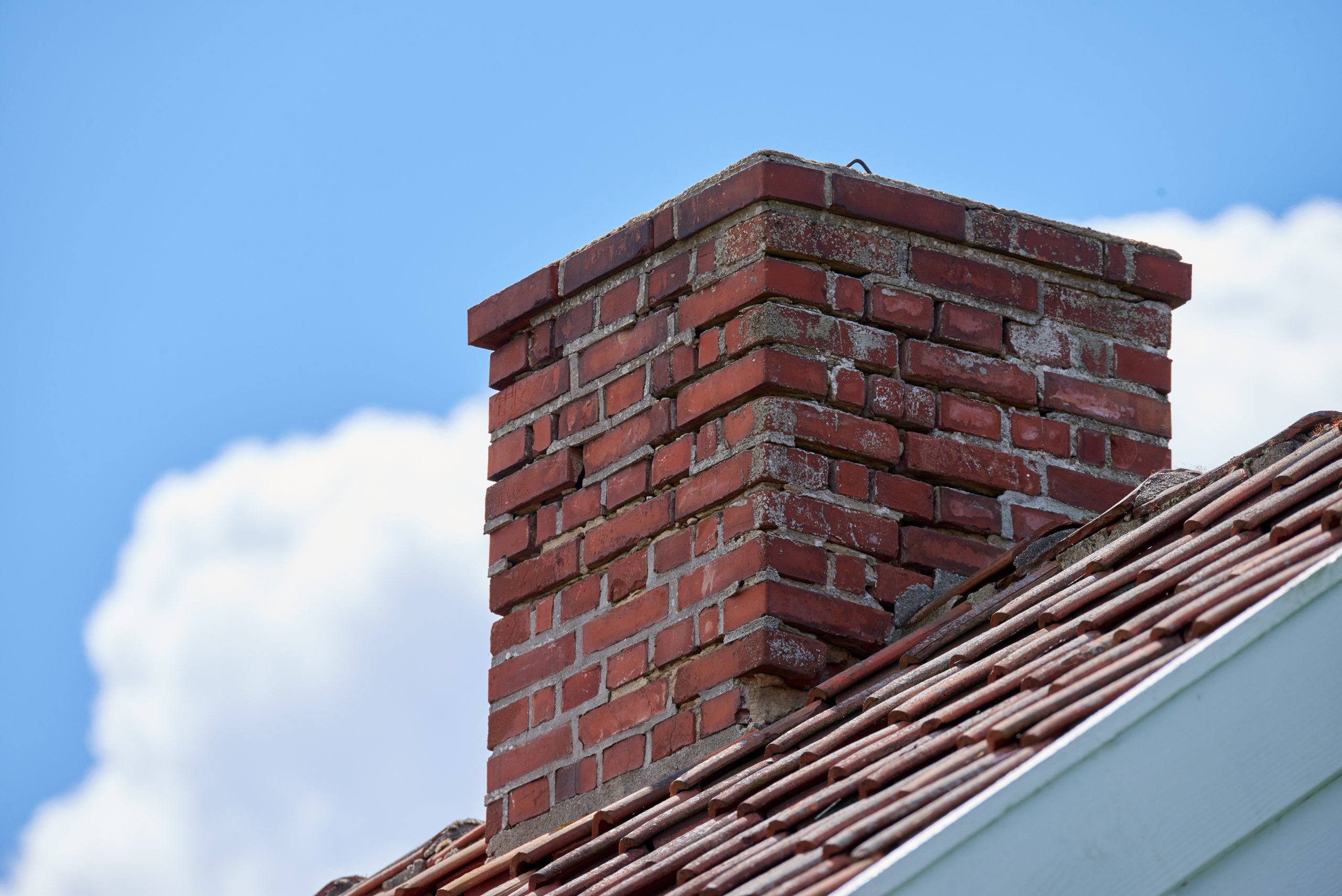
Our local weather plays a huge role in these warning signs. The ‘freeze-thaw’ cycles common in Illinois winters cause masonry to crack and shift. If you see white, powdery stains on the outside of your chimney (known as efflorescence), it’s a sign that water is penetrating the bricks. This moisture, when combined with soot inside the flue, creates an acidic paste that accelerates the deterioration of your chimney’s interior. If you see these exterior signs, an interior cleaning and inspection are mandatory.
Conclusion: Don’t Ignore the Indicators
Ignoring these signs is a gamble that no Chicagoland homeowner should take. A chimney fire can reach temperatures of over 2000 degrees Fahrenheit—hot enough to melt metal and ignite the wooden framing of your home in seconds. By staying vigilant and scheduling professional cleanings at the first sign of trouble, you ensure your home remains a safe haven. The team at Chicagoland Chimney Cleaners is trained to spot these signs and provide the comprehensive cleaning needed to keep your hearth healthy.
Frequently Asked Questions
- Can I clean the chimney myself if I see these signs? While DIY kits exist, they lack the specialized tools and camera inspection capabilities to truly clear dangerous glazed creosote or hidden blockages.
- How much soot is ‘too much’? The NFPA recommends cleaning once you have 1/8th of an inch of soot buildup.
- What if I only use my fireplace once or twice a year? Even low-usage chimneys can have issues like bird nests or moisture damage that require inspection and cleaning.
- Why does my chimney smell worse in the summer? Humidity makes the creosote odor more potent, making the summer the perfect time to identify a need for cleaning.
- Will a chimney cleaning fix a smokey fireplace? In many cases, yes. However, if the cause is structural, an inspection will identify the underlying issue.